 English
 Deutsch
 Indonesia



Content
- 1 Electric Flow Control Valves: Key Answer and Practical Value
- 2 How Electric Flow Control Valves Work
- 3 Core Components and Their Functions
- 4 Types of Electric Flow Control Valves and Applications
- 5 Advantages Over Pneumatic and Manual Valves
- 6 Sizing and Selection Guidelines
- 7 Installation and Maintenance Best Practices
- 8 Common Industrial Applications
- 9 Final Takeaway
Electric Flow Control Valves: Key Answer and Practical Value
Electric flow control valves regulate fluid flow automatically using an electric actuator that adjusts valve position based on control signals. They provide precise, repeatable flow regulation, remote automation capability, and reduced manual intervention, making them essential in modern industrial systems such as HVAC, water treatment, chemical processing, and energy facilities.
Compared with manual or pneumatic alternatives, electric control valves excel in environments requiring accurate modulation, digital integration, and energy-efficient operation. When properly selected and installed, they can improve process stability, reduce energy consumption by up to 15–30% in flow-dependent systems, and significantly lower maintenance frequency.
How Electric Flow Control Valves Work
An electric flow control valve combines a mechanical valve body with an electrically powered actuator. The actuator receives signals from controllers such as PLCs, building automation systems, or distributed control systems (DCS), converting electrical input into precise mechanical movement.
Main Operating Process
- Sensors measure flow rate, pressure, or temperature.
- A controller compares real-time data with the target setpoint.
- A control signal (commonly 4–20 mA or 0–10 V) is sent to the actuator.
- The actuator adjusts valve opening to regulate flow.
Electric actuators typically use stepper motors or servo motors, allowing positioning accuracy as fine as ±1% of full stroke. This level of precision makes them suitable for processes where stable flow directly affects product quality or energy efficiency.
Core Components and Their Functions
Understanding the main components helps operators evaluate durability and performance before purchasing or specifying a valve.
- Valve Body: Controls flow path and determines pressure resistance and media compatibility.
- Electric Actuator: Converts electrical signals into rotary or linear motion.
- Positioner: Ensures accurate valve positioning through feedback control.
- Control Interface: Accepts analog or digital automation signals.
- Sealing Elements: Prevent leakage and influence lifespan under temperature or chemical exposure.
High-quality sealing materials such as PTFE or EPDM can extend service life beyond 100,000 operating cycles under normal industrial conditions.
Types of Electric Flow Control Valves and Applications
Different valve structures influence flow characteristics, pressure loss, and control precision. Selecting the correct type directly affects operational efficiency.
| Valve Type | Control Accuracy | Pressure Drop | Typical Applications |
|---|---|---|---|
| Globe Valve | Very High | High | Steam, chemical dosing |
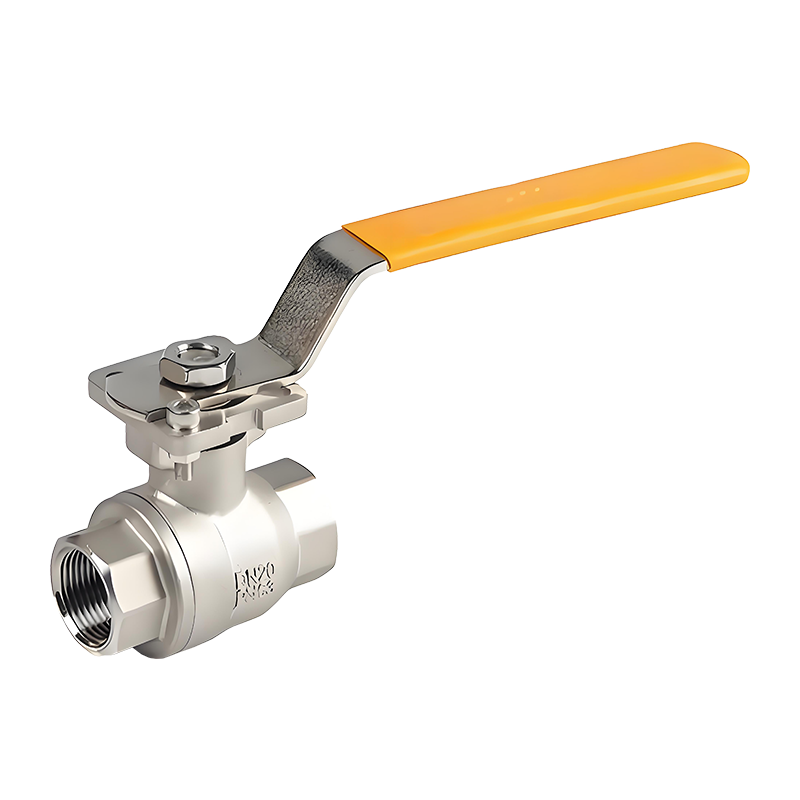
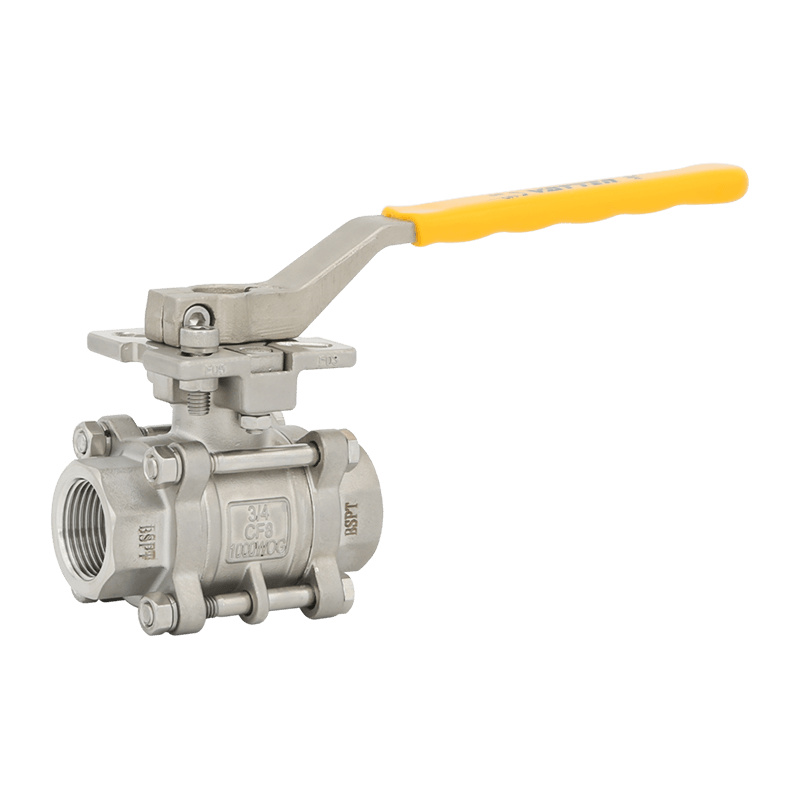
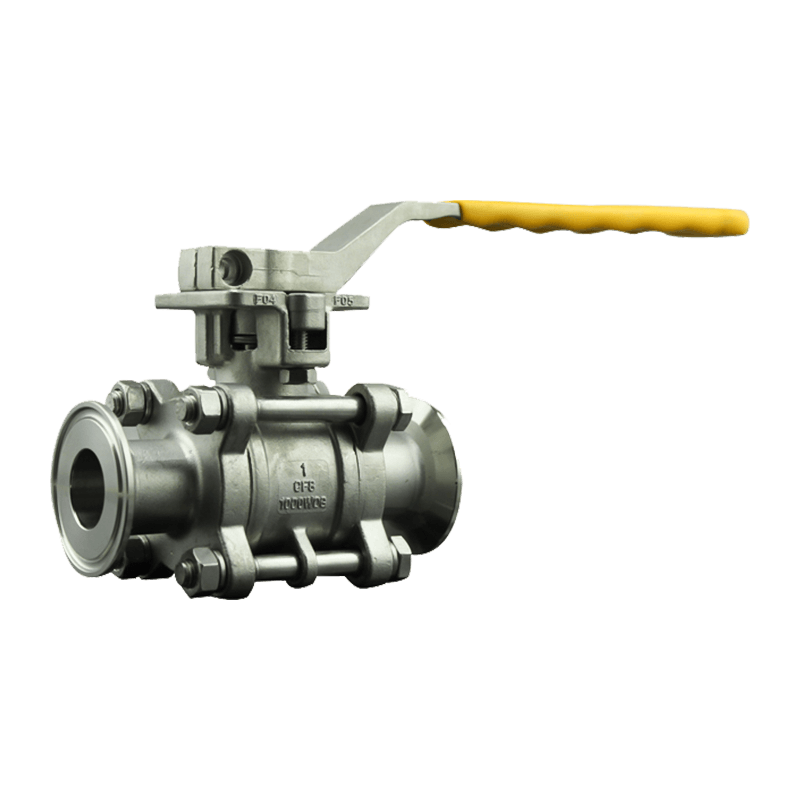
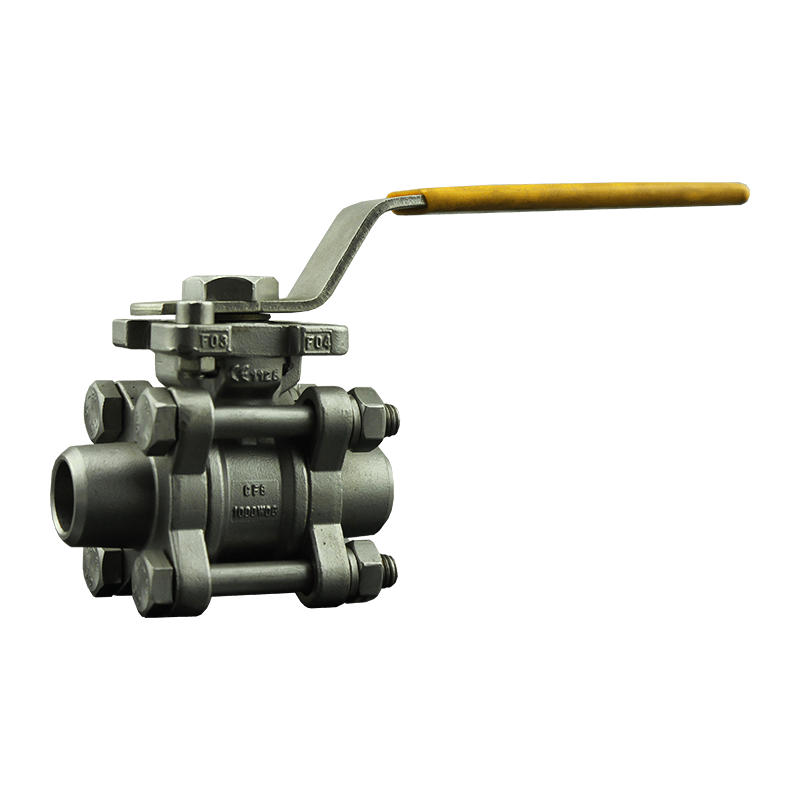
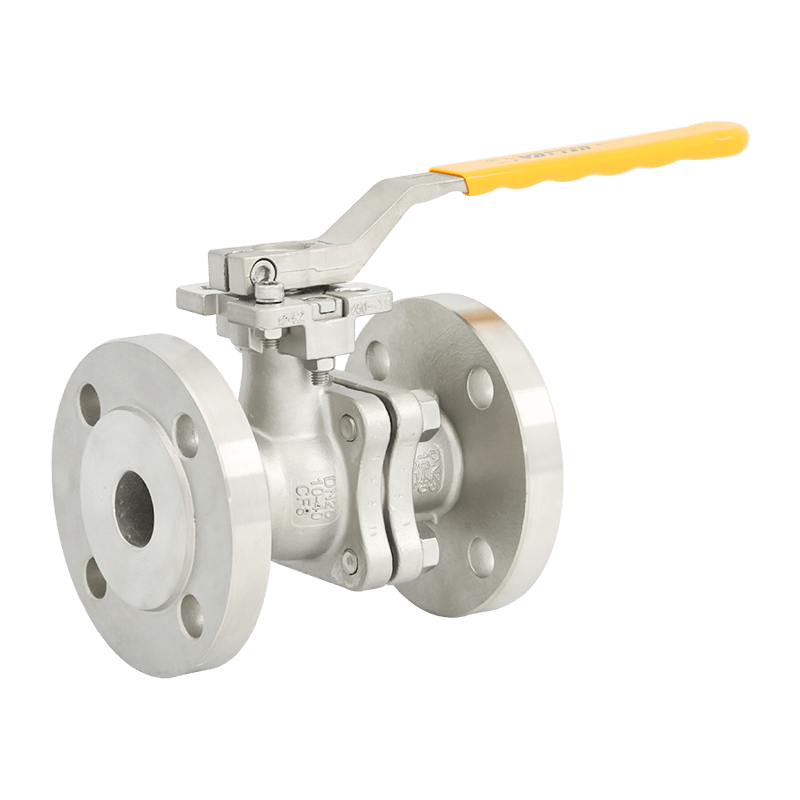
| Ball Valve | Medium | Low | Water systems, oil pipelines |
| Butterfly Valve | Medium–High | Very Low | HVAC and large pipelines |
For example, HVAC chilled-water systems frequently use electric butterfly valves because they maintain adequate modulation while reducing pumping energy due to lower resistance.
Advantages Over Pneumatic and Manual Valves
Electric actuation introduces several operational advantages, especially in automated facilities.
- High positioning accuracy suitable for proportional control.
- No compressed air system required, reducing infrastructure cost.
- Easy integration with smart control networks and IoT monitoring.
- Lower noise compared with pneumatic systems.
- Stable operation in remote or unmanned installations.
Facilities transitioning from pneumatic control often report maintenance reductions because electric actuators eliminate air leaks and compressor-related downtime.
Sizing and Selection Guidelines
Correct sizing is critical. Oversized valves cause unstable control, while undersized valves restrict flow and increase wear.
Key Parameters to Evaluate
- Required flow rate (maximum and minimum).
- Pressure differential across the valve.
- Fluid temperature and chemical compatibility.
- Control signal type and automation system compatibility.
- Fail-safe requirement (fail-open or fail-close).
Engineers typically select a valve where normal operating flow occurs at 60–80% valve opening, ensuring stable modulation and longer actuator life.
Installation and Maintenance Best Practices
Proper installation significantly affects performance and durability. Even high-quality valves can fail prematurely if installation conditions are ignored.
Installation Tips
- Install strainers upstream to prevent debris damage.
- Ensure correct flow direction marking alignment.
- Allow sufficient clearance for actuator servicing.
- Protect actuators from water ingress and excessive heat.
Maintenance Practices
- Perform periodic calibration checks.
- Inspect electrical connections annually.
- Monitor actuator cycle counts for predictive maintenance.
Preventive maintenance programs can extend valve lifespan by 30–50% compared with reactive servicing approaches.
Common Industrial Applications
Electric flow control valves are widely adopted across industries where automation and precision are priorities.
- HVAC systems controlling chilled and hot water circulation.
- Water treatment plants managing filtration and chemical dosing.
- Food and beverage processing requiring hygienic flow regulation.
- Energy and power facilities optimizing cooling loops.
- Pharmaceutical manufacturing with precise batch control.
In automated buildings, integrating electric valves with smart building management systems enables real-time energy optimization and remote diagnostics.
Final Takeaway
Electric flow control valves represent a practical upgrade for modern fluid control systems. Their combination of automation compatibility, accurate modulation, and reduced operational overhead makes them ideal for industries moving toward intelligent process control.
The most effective results come from correct valve type selection, proper sizing, and consistent maintenance. When these factors are addressed, electric control valves deliver reliable long-term performance while improving efficiency, safety, and operational visibility.