 English
 Deutsch
 Indonesia


Content
- 1 How a Ball Valve Works
- 2 The Core Purposes of a Ball Valve in Industrial Systems
- 3 Ball Valve Types and Their Specific Applications
- 4 Industries That Rely on Ball Valves
- 5 Ball Valve vs. Other Valve Types: When to Choose a Ball Valve
- 6 Key Factors to Consider When Selecting a Ball Valve
- 7 Maintenance Considerations That Affect Long-Term Performance
- 8 Automated Ball Valves: Expanding the Role of Ball Valves in Modern Systems
How a Ball Valve Works
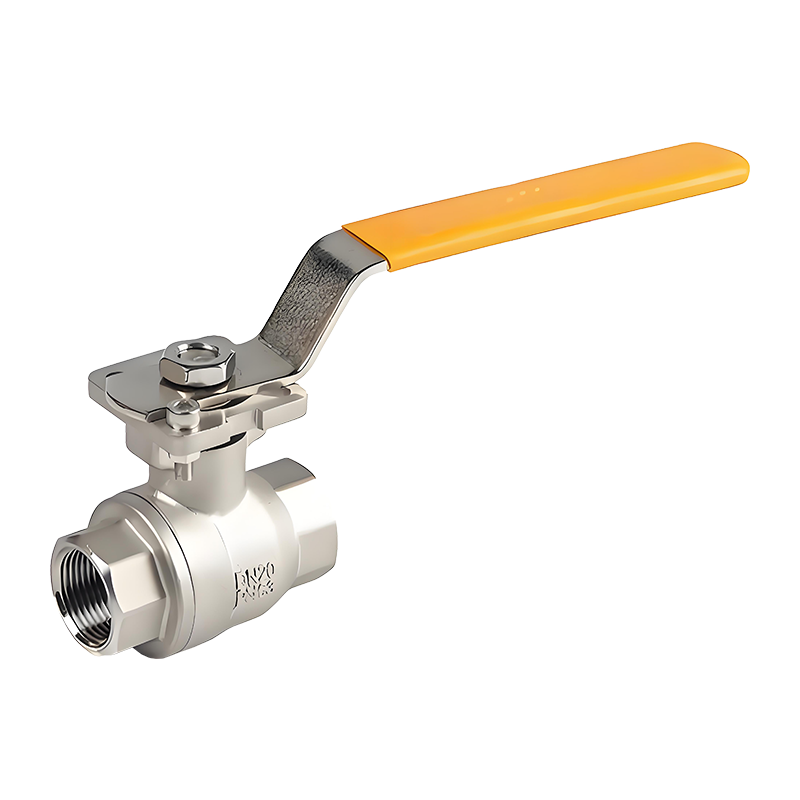
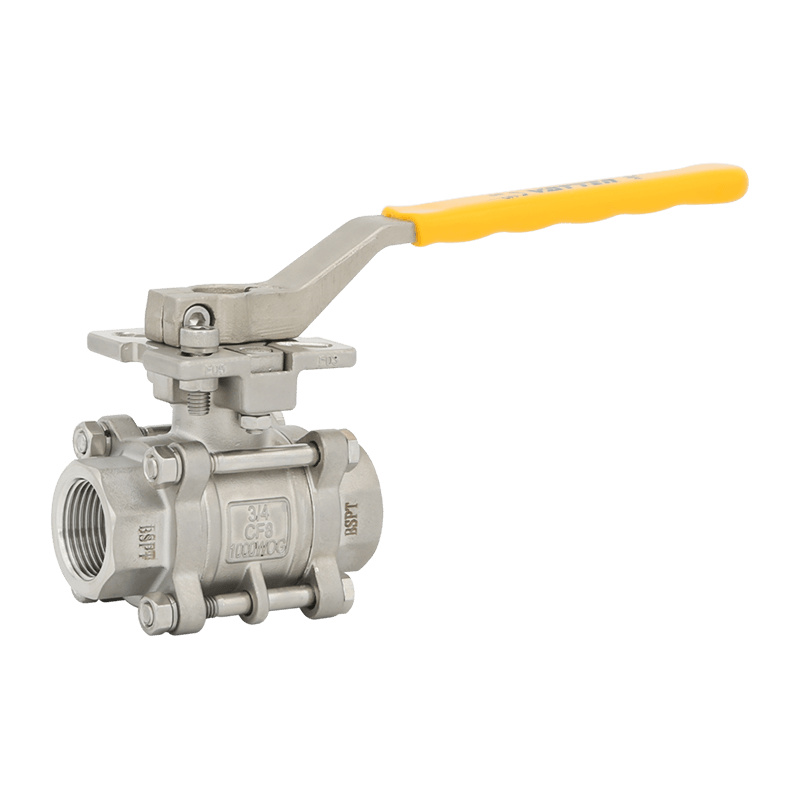
A ball valve controls the flow of fluid through a pipeline by rotating a hollow, perforated sphere — the "ball" — inside the valve body. When the bore of the ball aligns with the pipe, flow passes through freely. When the ball is rotated 90°, the solid wall of the sphere blocks the passage completely. This quarter-turn mechanism is the foundation of everything the ball valve is designed to do.
That simple motion delivers something that engineers value highly: fast, reliable, and leak-tight shut-off. In practice, a well-manufactured ball valve can go from fully open to fully closed in under a second, and its spherical sealing surface maintains a tight seal even after thousands of operating cycles.
The Core Purposes of a Ball Valve in Industrial Systems
Ball valves serve several distinct functions depending on how they are configured and where they are installed. Understanding each purpose helps you select the right valve for your specific application.
1. On/Off Flow Isolation
This is the primary and most universal purpose of a ball valve. It acts as a shutoff device — either allowing full flow or stopping it entirely. Unlike gate valves, which require multiple turns to open or close, a ball valve achieves complete isolation with a single 90° rotation. This makes it the preferred choice in emergency shutoff scenarios, maintenance isolation, and any system where fast response time is critical.
In water treatment plants, for example, ball valves are installed at branch points so that individual sections of a distribution network can be isolated without disrupting the entire system. A response time measured in milliseconds rather than minutes can be the difference between a minor leak and a major failure.
2. Flow Regulation and Throttling
While standard ball valves are designed for fully open or fully closed positions, certain configurations — particularly V-port ball valves and characterized ball valves — are engineered specifically for flow regulation. By shaping the ball's opening into a V or other contour, these valves allow precise control over the volume of flow at any position between open and closed.
This throttling capability is commonly used in chemical dosing, HVAC systems, and pharmaceutical processing lines where the flow rate must be adjusted continuously rather than simply switched on or off. V-port ball valves can achieve flow rangeability of up to 300:1, making them competitive with globe valves in many modulating control applications.
3. Directional Flow Control (Multi-Port Valves)
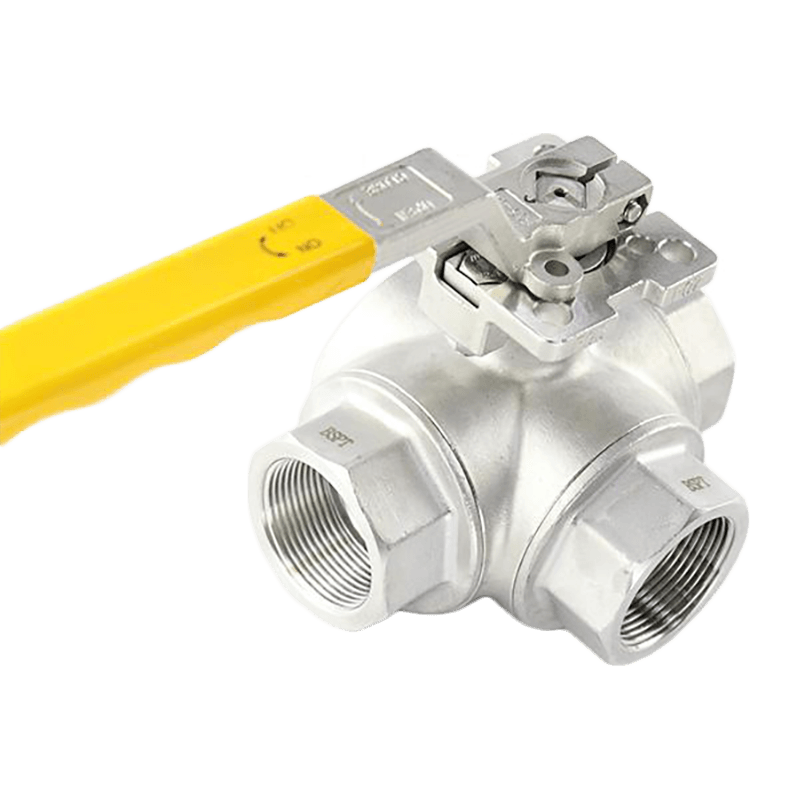
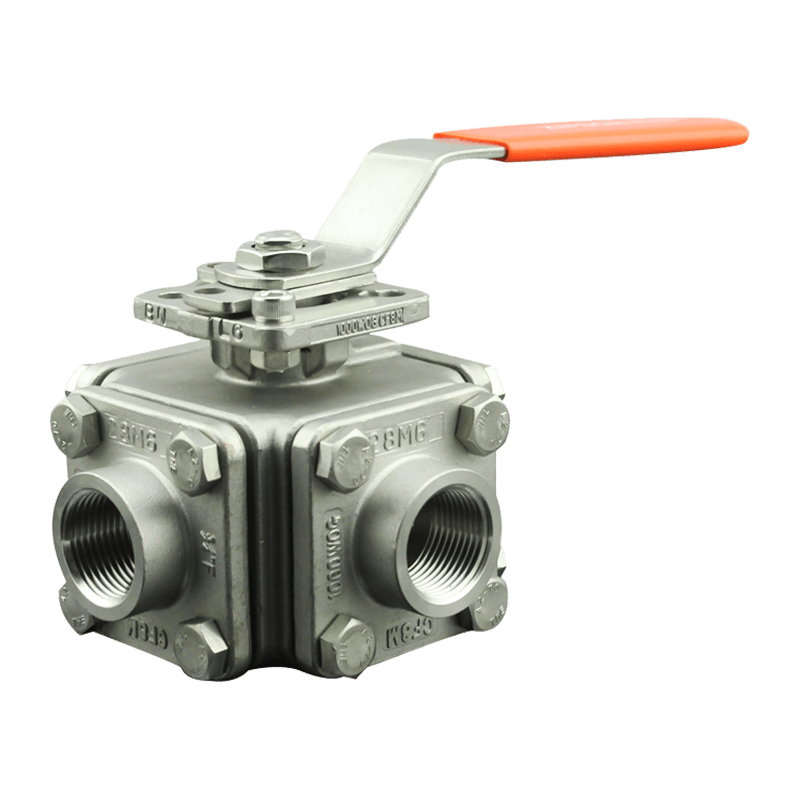
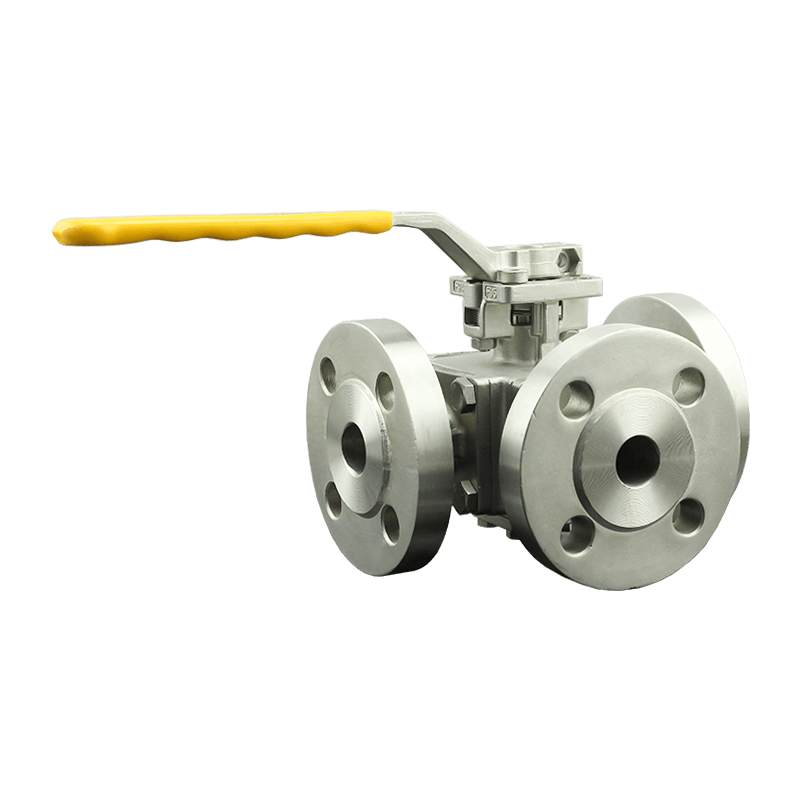
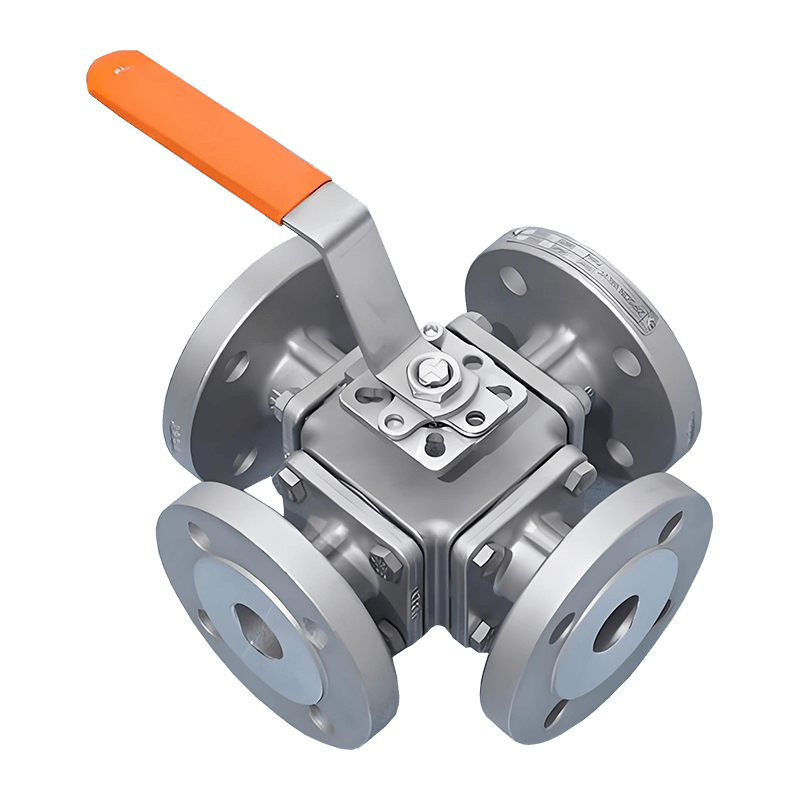
Three-way and four-way ball valves serve an additional purpose: directing flow between multiple paths within a pipeline network. By rotating the ball to different positions, the operator can divert media from one line to another, mix two streams, or split a single flow into two directions.
This is particularly valuable in chemical reactors, blending systems, and process plants where product changeover requires fast switching between supply lines without shutting down the entire process. A single three-way ball valve can replace two or more separate valves and fittings, reducing both installation complexity and potential leak points.
4. Pressure and Leak-Tight Sealing
Ball valves are among the most reliable valves for maintaining a tight seal under pressure. The soft seats — typically PTFE or reinforced polymers — press firmly against the ball surface in the closed position, creating a bubble-tight shut-off that meets Class VI leakage standards. This makes them suitable for high-pressure gas lines, steam systems, and hazardous fluid applications where even minor leakage is unacceptable.
In liquefied natural gas (LNG) terminals and offshore platforms, ball valves are routinely specified for pressure ratings exceeding 1,500 psi (103 bar), precisely because of their superior sealing performance relative to gate or butterfly valves at equivalent sizes.
Ball Valve Types and Their Specific Applications
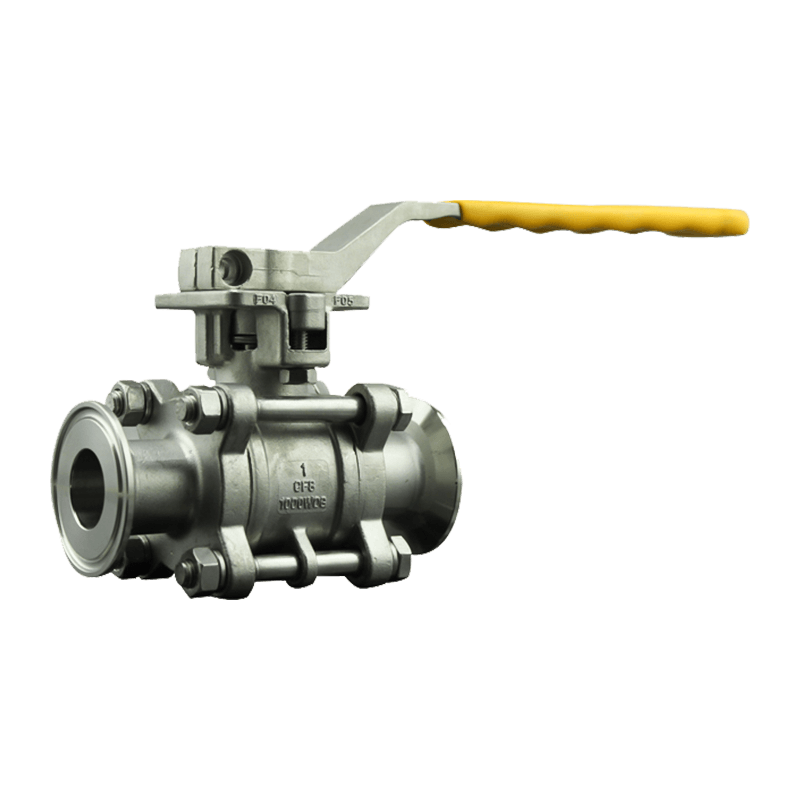
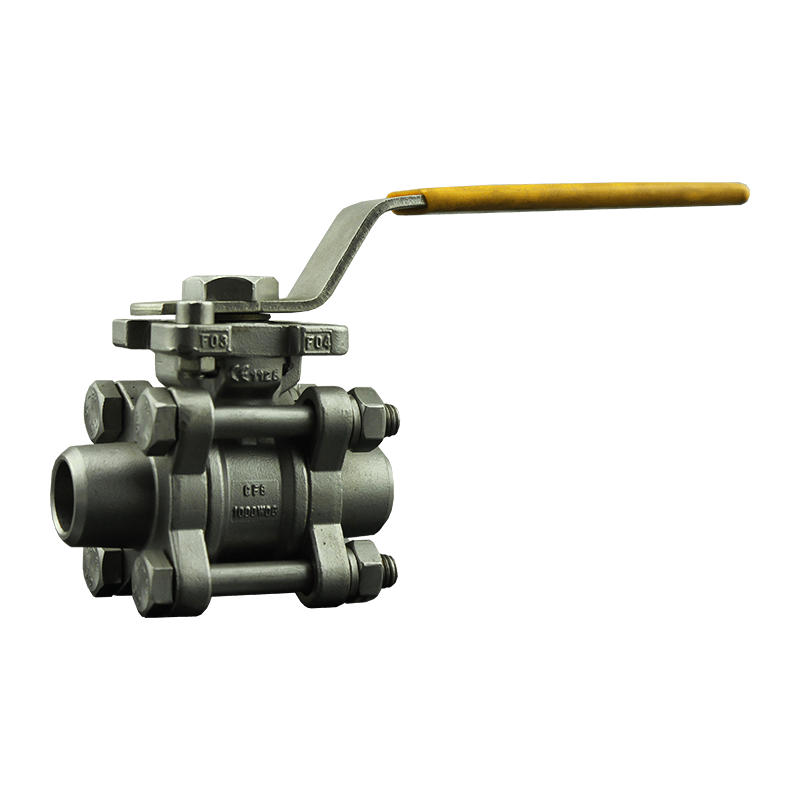
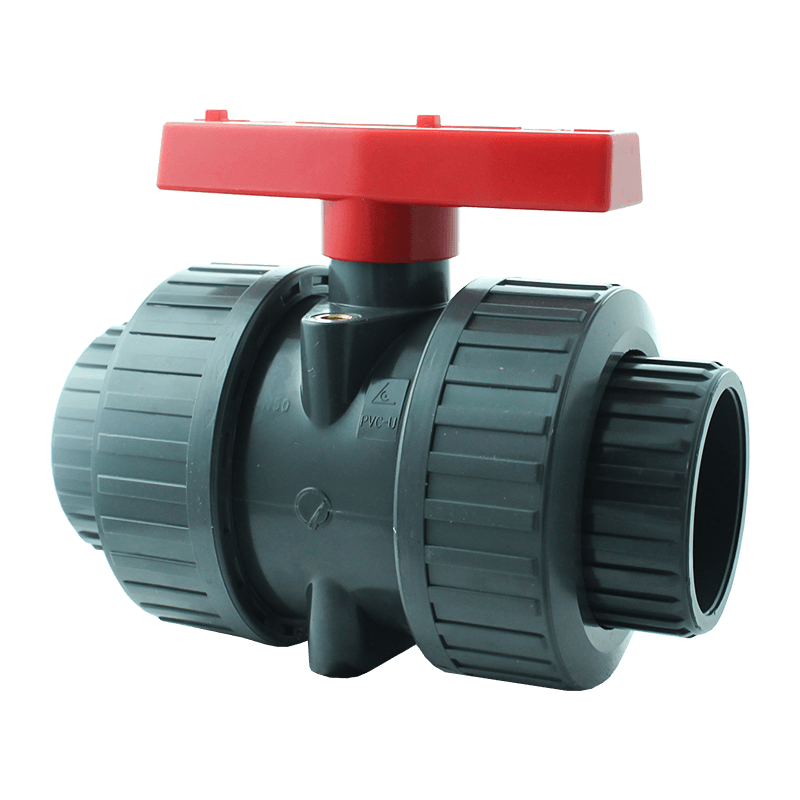
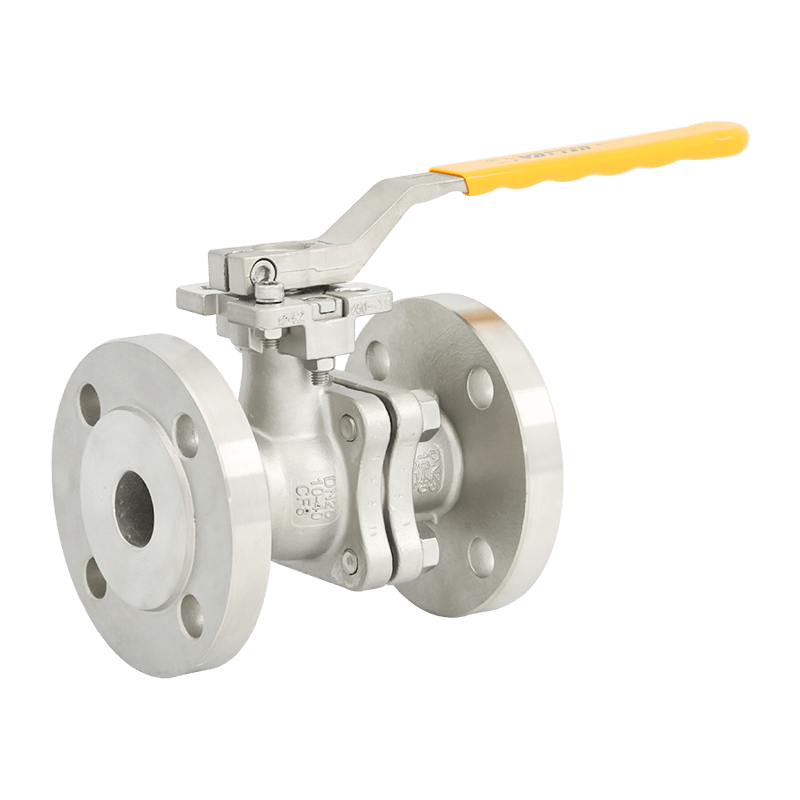
The purpose a ball valve serves is closely linked to how it is actuated and constructed. The table below summarizes the most common types and the applications they are best suited for:
| Type | Actuation | Primary Purpose | Typical Applications |
|---|---|---|---|
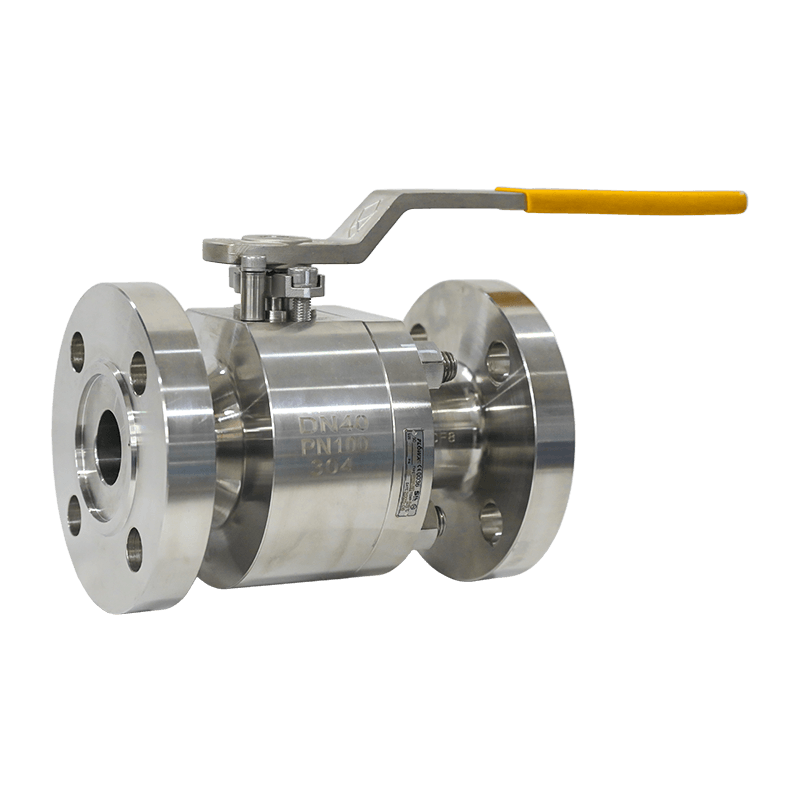
| Manual Ball Valve | Handwheel / Lever | On/off isolation | Maintenance shutoff, small-diameter lines |
| Pneumatic Ball Valve | Compressed air actuator | Fast automated shutoff | Chemical processing, food & beverage, hazardous areas |
| Electric Ball Valve | Electric motor actuator | Remote control & automation | HVAC, water treatment, building automation |
| Three-Way Ball Valve | Manual or actuated | Flow diversion / mixing | Blending systems, reactor vessels, product changeover |
| V-Port Ball Valve | Actuated | Modulating flow control | Pulp & paper, chemical dosing, slurry handling |
If you are looking for reliable, industrial-grade options across these categories, our ball valve product page covers a full range of manual, pneumatic, and electric ball valves suitable for diverse industrial environments.
Industries That Rely on Ball Valves
Ball valves are not limited to a single sector. Their combination of durability, tight shut-off, and design versatility makes them indispensable across many industries:
- Oil & Gas: Pipeline isolation, wellhead control, and emergency shutdown systems where reliable sealing under high pressure is non-negotiable.
- Chemical Processing: Handling corrosive or aggressive media, often using stainless steel or lined ball valves to prevent chemical attack on valve components.
- Water Treatment: Flow isolation in filtration and distribution networks, where low-maintenance operation over long service intervals is essential.
- Pharmaceutical & Food Processing: Sanitary ball valves with polished internals and PTFE seats meet strict hygiene standards, preventing product contamination between batches.
- HVAC & Building Services: Electric ball valves automate zone control in heating and cooling systems, adjusting temperature with precision and minimal energy use.
- Power Generation: Steam and condensate isolation in thermal power plants, where thermal cycling resistance and long service life are critical.
Ball Valve vs. Other Valve Types: When to Choose a Ball Valve
Choosing the right valve type starts with understanding what each one does best. Ball valves are not always the optimal solution, but in many scenarios they outperform the alternatives significantly.
Ball Valve vs. Gate Valve
Gate valves are also designed for full-open or full-closed service, but they require multiple turns of the handwheel to operate and are prone to seat wear over time. Ball valves actuate with a single 90° turn, operate faster, and maintain a tighter seal over a longer service life. For most modern isolation applications, ball valves have largely replaced gate valves in new installations.
Ball Valve vs. Butterfly Valve
Butterfly valves are lighter and more compact, making them cost-effective for large-diameter, low-pressure pipelines. However, they cannot match the leak-tight sealing of a ball valve at high pressures, and the disc remains partially in the flow stream even when fully open, introducing pressure drop. Ball valves are preferred wherever zero obstruction, high pressure, or bubble-tight shut-off is required.
Ball Valve vs. Globe Valve
Globe valves offer excellent throttling characteristics and are well-suited for precise flow regulation. However, their S-shaped flow path creates significant pressure drop — often 3 to 5 times higher than a ball valve of the same size. When the system priority is minimal pressure loss with occasional flow adjustment, a characterized ball valve is a strong alternative to a globe valve.
Key Factors to Consider When Selecting a Ball Valve
Knowing the purpose of a ball valve is only the starting point. Proper selection requires matching the valve's specifications to your operating conditions. Here are the factors we consistently advise customers to evaluate:
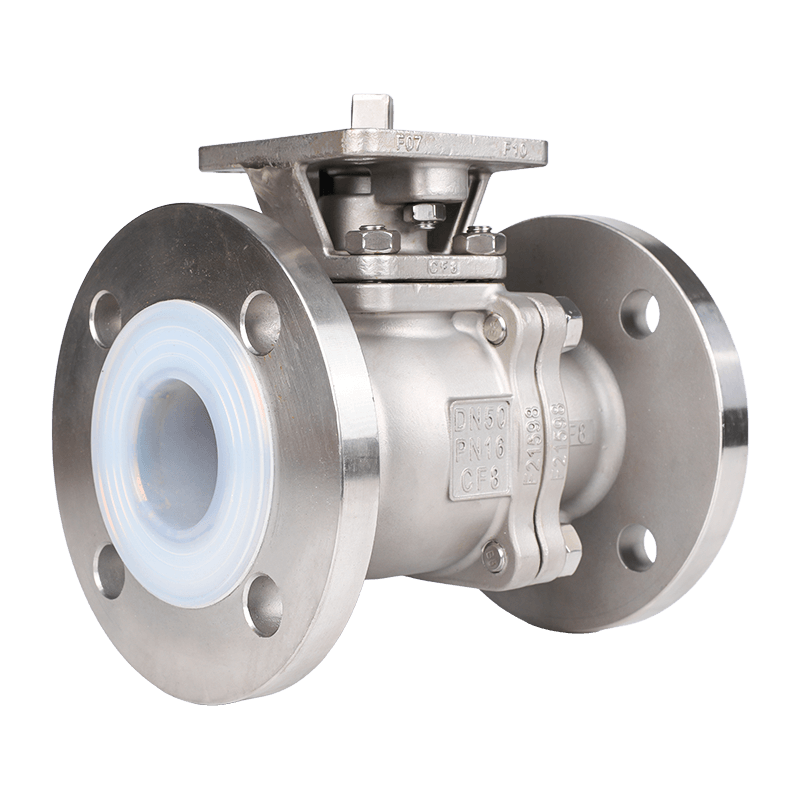
- Media type: Corrosive chemicals require stainless steel or lined ball valves (e.g., PTFE-lined). Abrasive slurries may call for hardened seat materials or full-bore designs to minimize clogging.
- Pressure and temperature rating: Match the valve's pressure-temperature (P-T) rating to the maximum operating conditions, not just the normal operating range. Always include a safety margin.
- Port size and flow coefficient (Cv): Full-bore ball valves have a bore equal to the pipe diameter, minimizing pressure drop. Reduced-bore valves are smaller and lighter but restrict flow — choose based on system head loss requirements.
- Actuation method: Manual valves suit low-frequency operation. Pneumatic actuators are preferred for fast cycling or hazardous environments. Electric actuators integrate easily with control systems (4–20 mA, Modbus) for remote operation and position feedback.
- End connection: Flanged connections are standard for larger sizes and higher pressures. Threaded or socket-weld ends are common in smaller piping. Wafer-style connections reduce installation length and cost.
- Certification and standards: Confirm compliance with applicable standards such as API 6D (pipeline valves), ASME B16.34, or PED (EU Pressure Equipment Directive) depending on your region and industry.
Maintenance Considerations That Affect Long-Term Performance
One of the reasons ball valves are so widely used is their relatively low maintenance requirement compared to other valve types. The simple quarter-turn mechanism has fewer moving parts than a globe valve or a gate valve, which translates directly into fewer failure points. That said, certain maintenance practices are essential to preserving the valve's purpose over its service life.
- Avoid partial open positions for extended periods on standard ball valves not designed for throttling. The turbulent flow at partial opening erodes the soft seats and causes premature failure.
- Exercise valves regularly in low-cycle applications. Ball valves that remain in one position for months can experience stem binding or seat deformation. Cycling the valve periodically prevents this.
- Inspect stem packing annually in applications with elevated temperatures or steam, where packing materials degrade faster than at ambient conditions.
- Flush the valve before disassembly in chemical service to remove residual media and prevent personnel exposure or material contamination during maintenance.
A well-maintained ball valve in clean fluid service can realistically achieve a service life of 10 to 15 years without seat replacement, provided operating conditions remain within design limits.
Automated Ball Valves: Expanding the Role of Ball Valves in Modern Systems
As industrial processes become more automated, the ball valve's role has expanded well beyond manual isolation. Pneumatic and electric actuators transform a standard ball valve into a remotely controlled component integrated into a distributed control system (DCS) or programmable logic controller (PLC).
In automated systems, electric ball valves with positioner feedback can report their exact position to a SCADA system in real time, allowing operators to monitor valve status across an entire plant from a central control room. Pneumatic ball valves, on the other hand, offer faster actuation speeds — some models achieving full stroke in under 0.5 seconds — making them suitable for safety instrumented systems (SIS) that demand rapid response.
The combination of mechanical simplicity, tight shut-off capability, and compatibility with modern automation platforms is why ball valves remain the valve of choice in the majority of new industrial installations worldwide.
As a manufacturer specializing in industrial automatic control valves, we offer a comprehensive range of manual, pneumatic, and electric ball valves engineered for demanding service conditions across energy, chemical, water treatment, pharmaceutical, and food processing industries. You can explore our full selection on our industrial ball valve page.