 English
 Deutsch
 Indonesia


Content
Bottom discharge valves are flow-control devices installed at the lowest point of a vessel, tank, or hopper to allow controlled release of bulk solids, slurries, or liquids by gravity. They are a critical component in industries ranging from food processing and pharmaceuticals to chemical manufacturing and wastewater treatment, where complete, residue-free emptying of a container is essential for both efficiency and hygiene.
Unlike side or top-mounted valves, bottom discharge valves take full advantage of gravity, reducing the energy needed to empty a vessel and minimizing dead zones where material can accumulate, degrade, or contaminate subsequent batches. Choosing the wrong type — or a poorly sized valve — can lead to blockages, contamination, product loss, or costly downtime.
How Bottom Discharge Valves Work
The operating principle is straightforward: the valve body is mounted flush with or directly below the tank outlet. When opened, the contents flow downward under gravity through the valve bore and into the downstream process — a conveyor, packaging line, mixer, or drain. The key engineering challenge is ensuring the valve opens and closes reliably without allowing bridging, leakage, or contamination.
Most designs use one of three actuation methods:
- Manual: A handwheel or lever operated by an operator — common in low-cycle applications.
- Pneumatic: Compressed air actuates opening/closing — widely used in automated production lines where cycle times can be under 1 second.
- Electric/motorized: Used where precise positioning or integration with PLC control systems is required.
Common Types of Bottom Discharge Valves
Several distinct valve designs are used for bottom discharge, each suited to specific materials and process conditions.
Knife Gate Valves
A flat blade slides across the flow path to cut through viscous slurries, fibrous materials, or bulk solids. Knife gate valves are popular in wastewater treatment and mining, where abrasive or stringy media would damage a conventional gate valve. They offer a full-bore opening with minimal flow restriction, but are generally not suitable for fine throttling.
Butterfly Valves
A disc rotates 90° inside the valve body. Compact and lightweight, butterfly valves are a cost-effective option for large-diameter bottom outlets handling liquids or light powders. Their limitation is that the disc remains in the flow path even when fully open, creating a potential retention zone for sticky or hygroscopic materials.
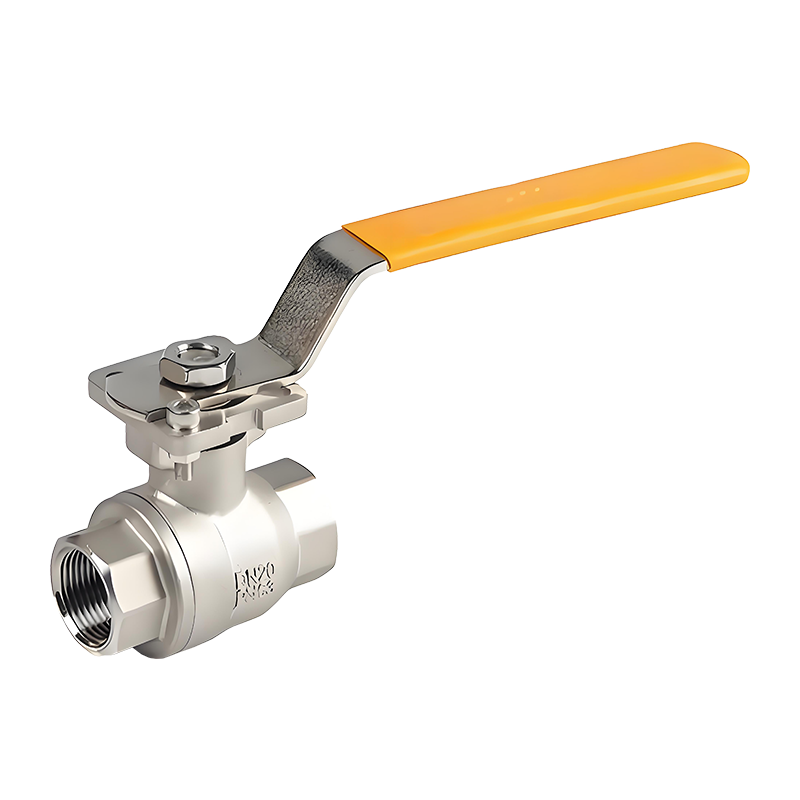
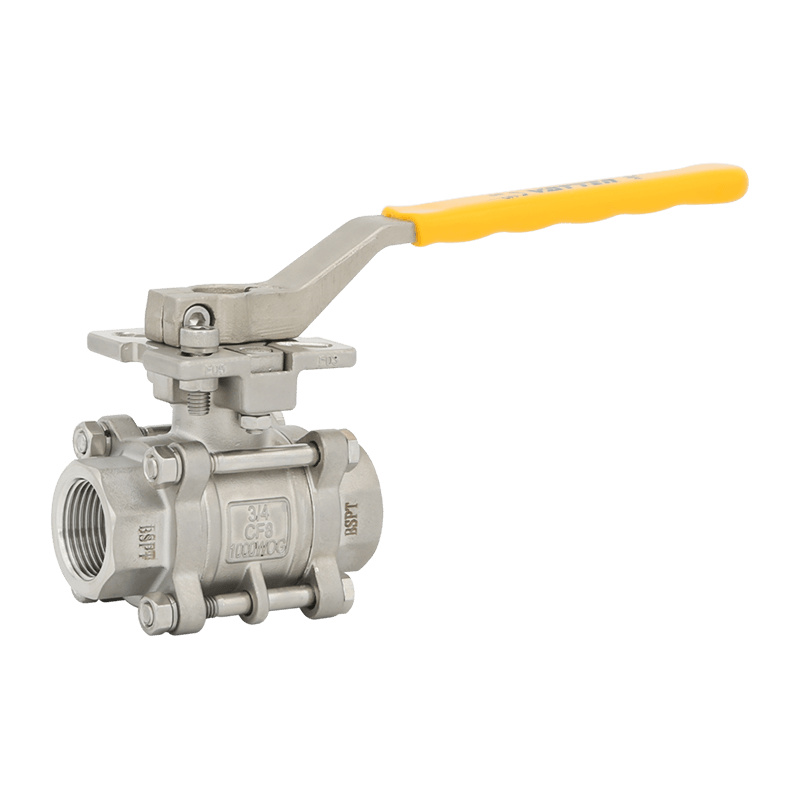
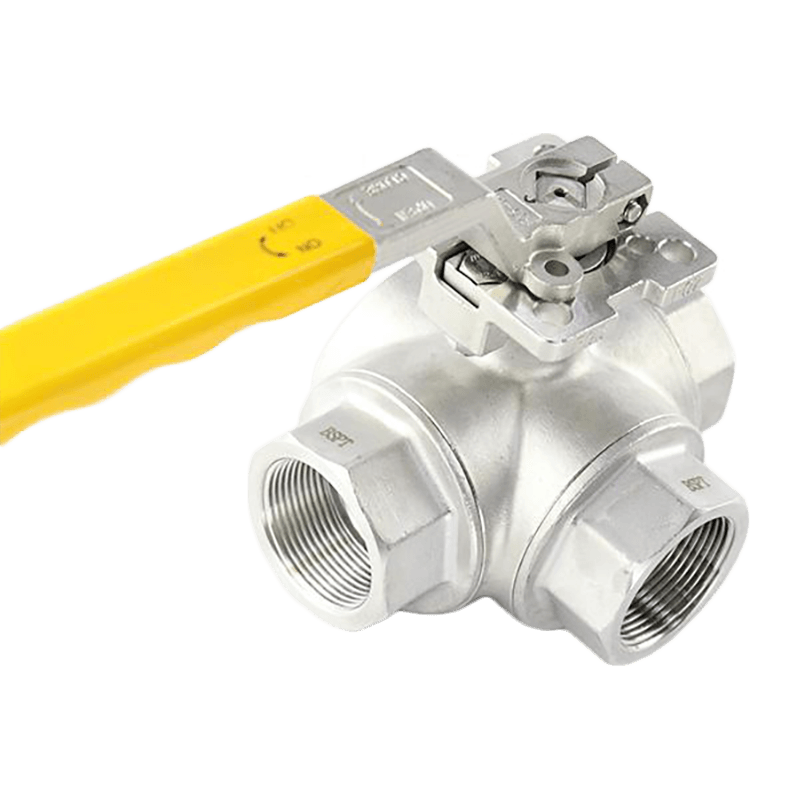
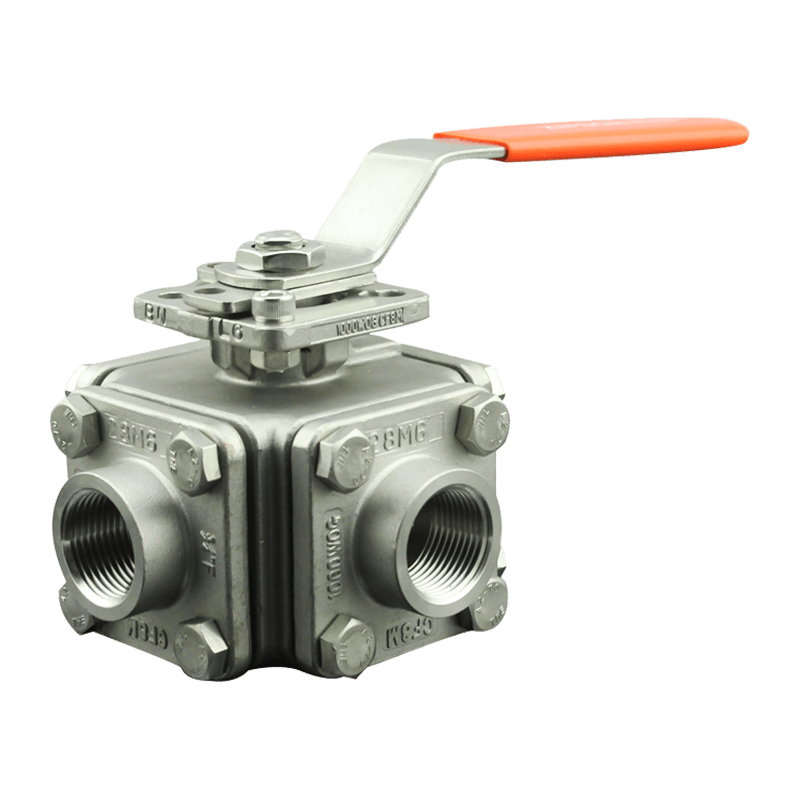
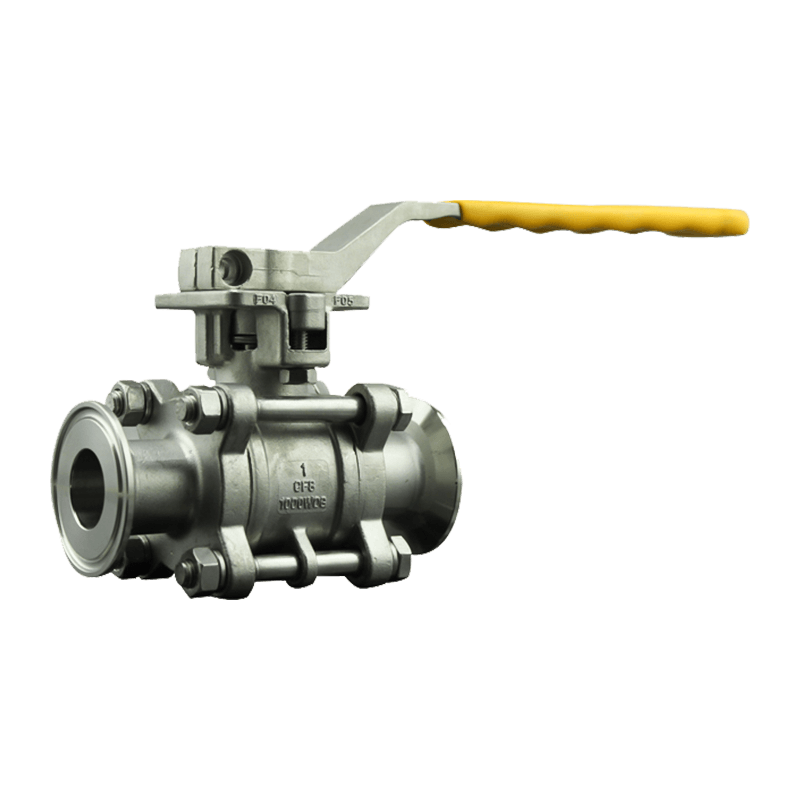
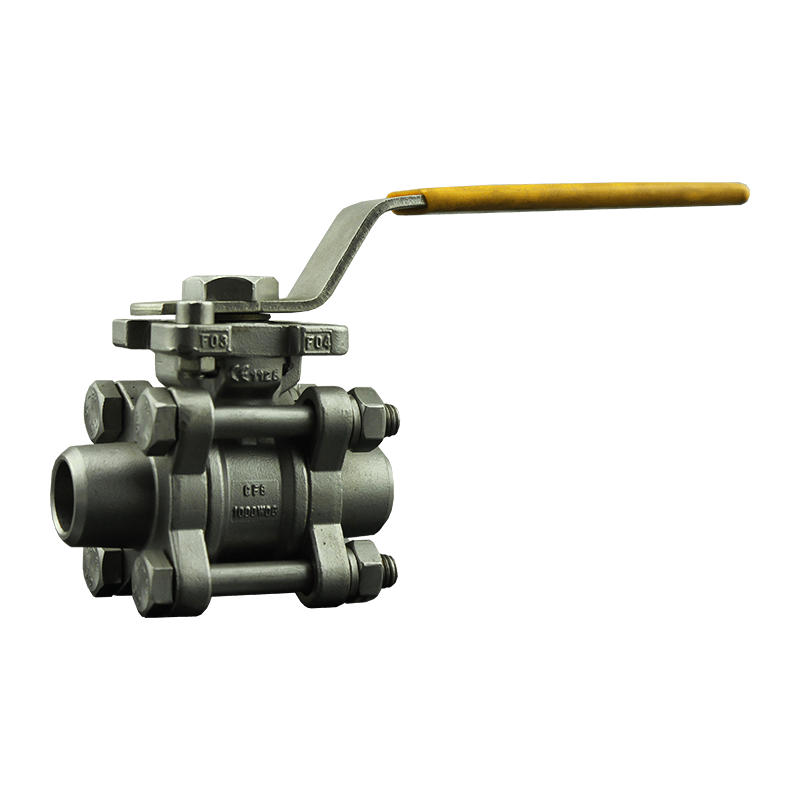
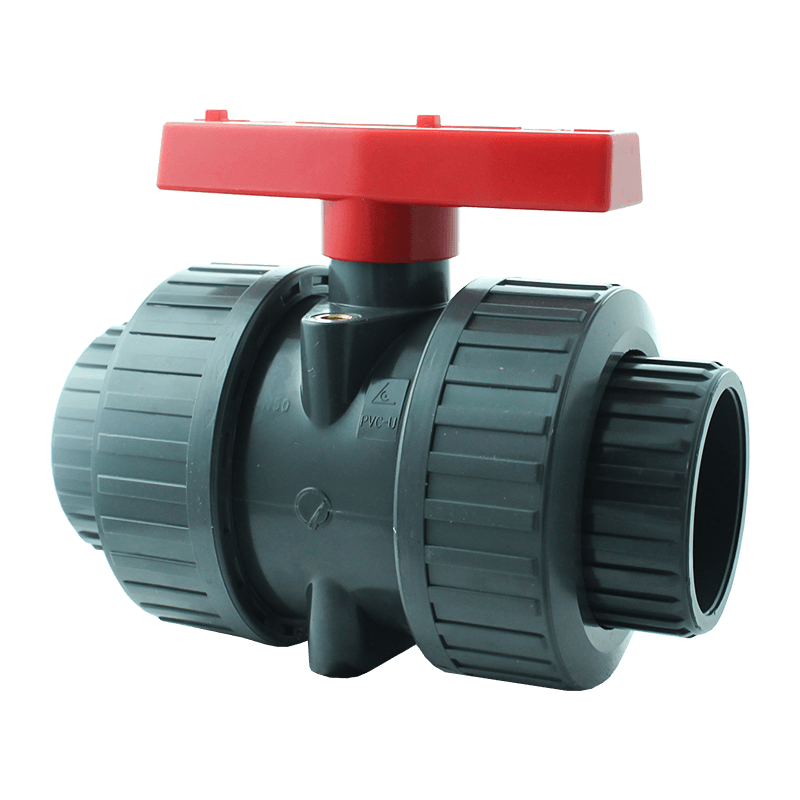
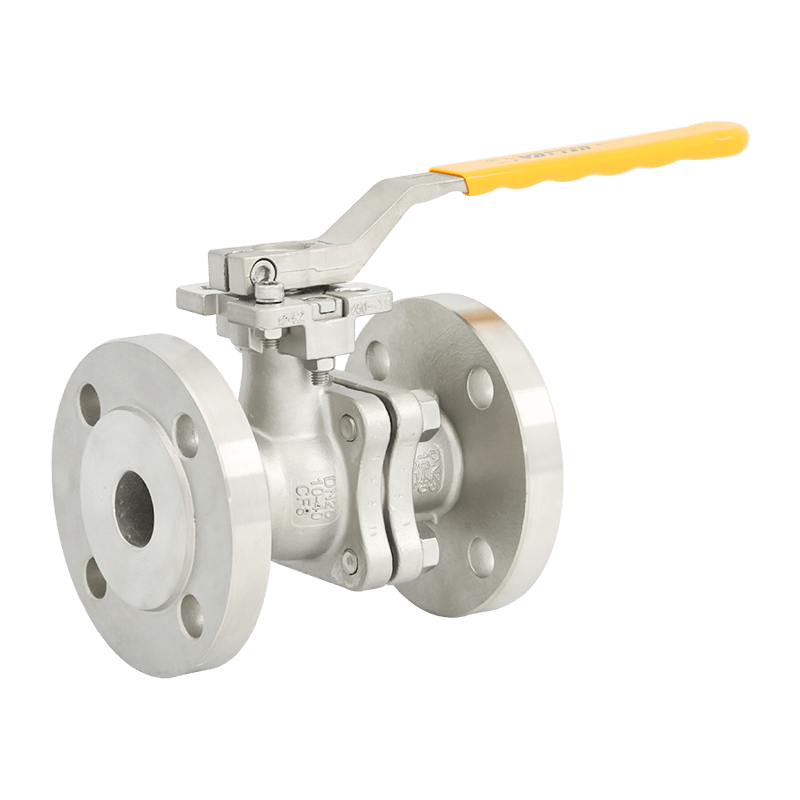
Ball Valves
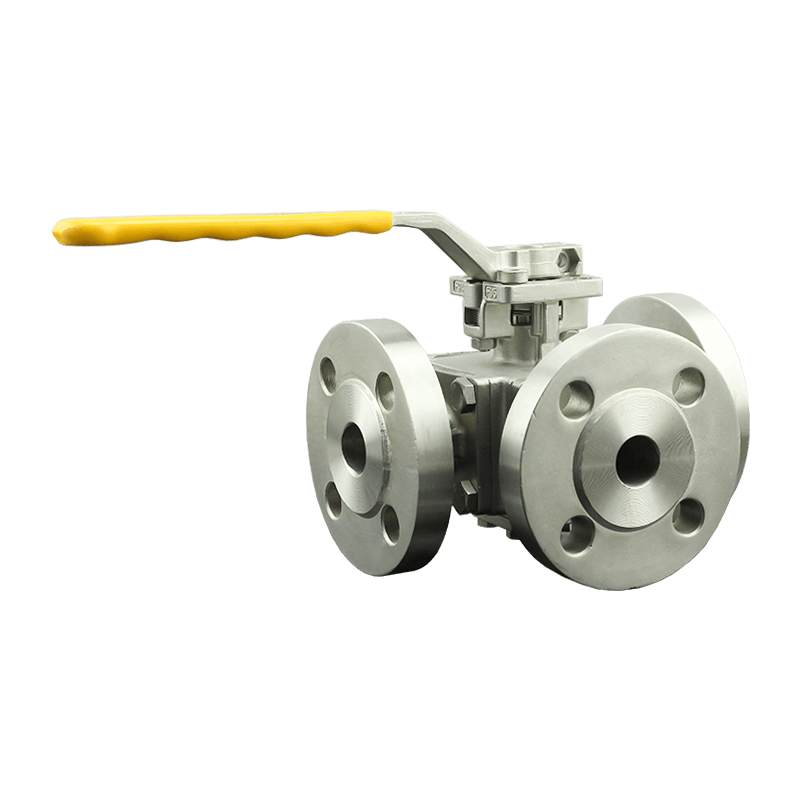
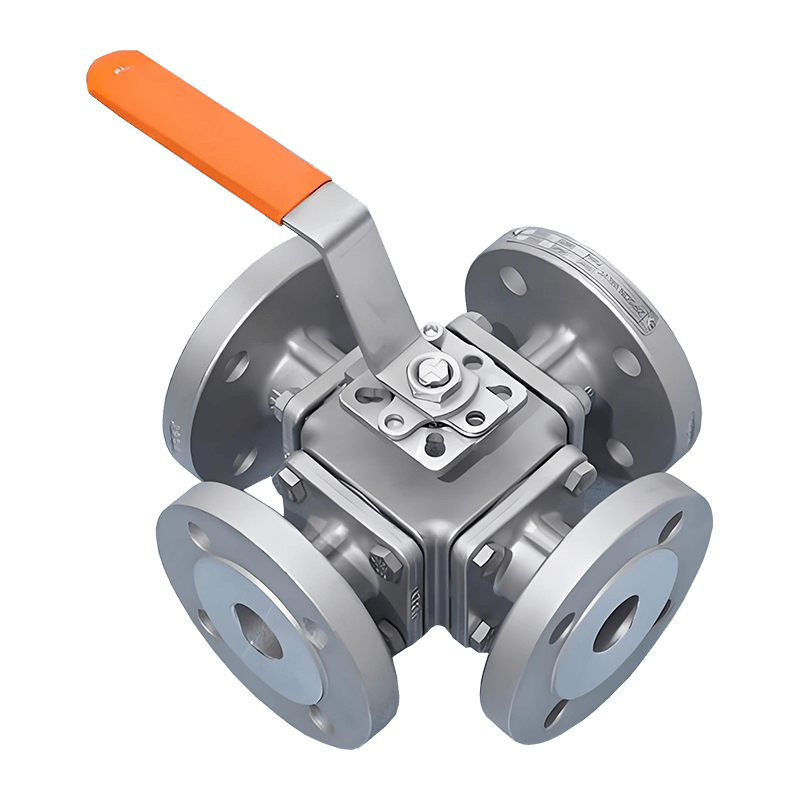
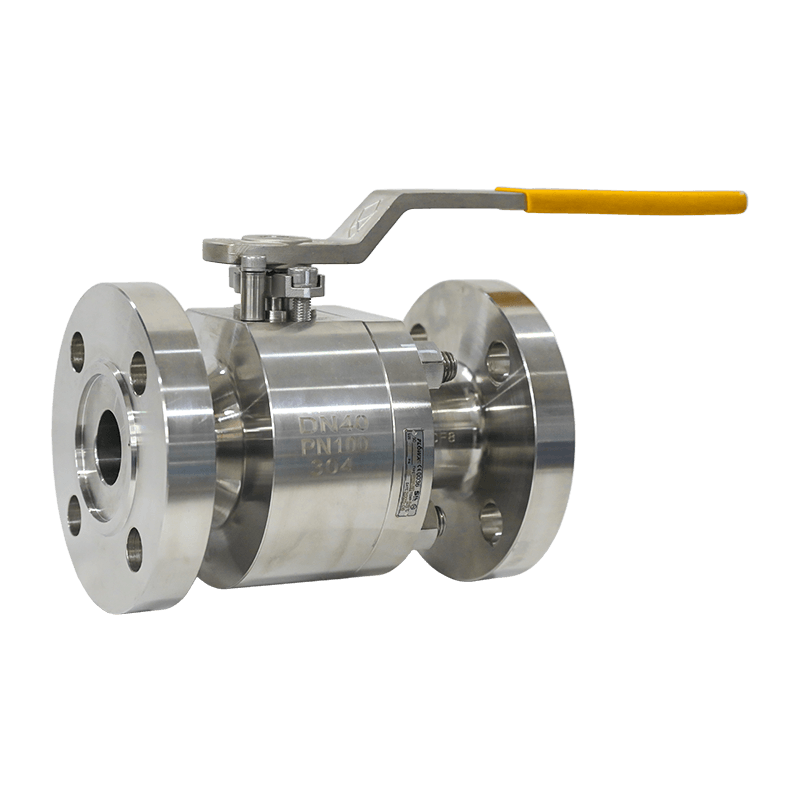
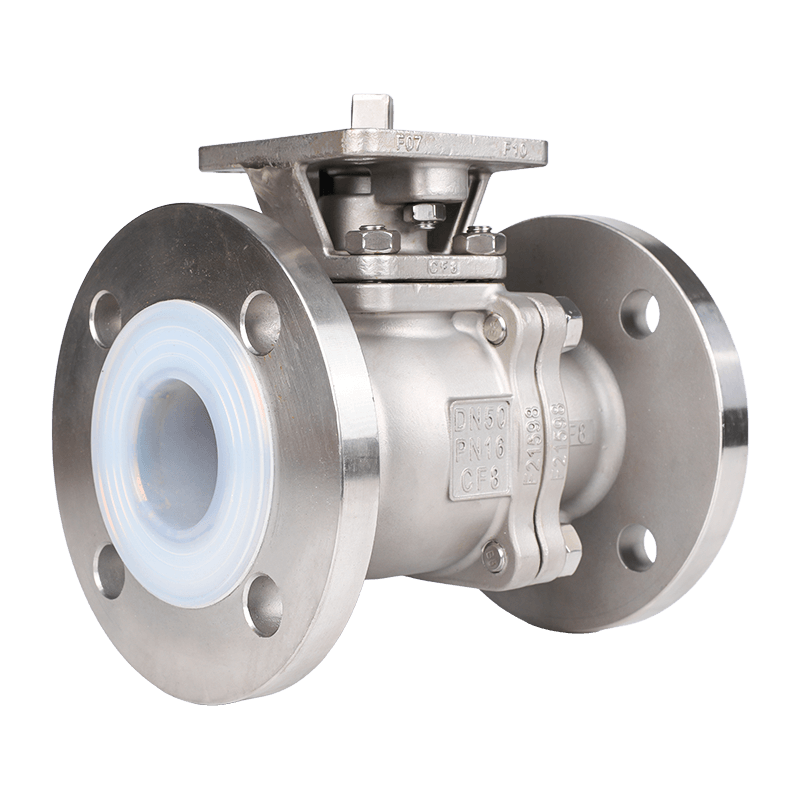
A drilled ball rotates to align or block the flow path. Full-bore ball valves are widely specified in pharmaceutical and food-grade applications because they provide a smooth, flush internal bore with no crevices. Sanitary bottom ball valves certified to 3-A or EHEDG standards can be cleaned-in-place (CIP), making them a preferred choice for hygienic processes.
Dome Valves (Dome Disc Valves)
A hemispherical disc seals against an inflatable gasket. When the disc retracts, the full bore is completely clear — achieving a 100% open area with no internal obstruction. Dome valves are the preferred choice for handling fragile granules, pharmaceutical powders, or abrasive bulk solids where product degradation or valve wear is a concern. They are routinely used in pneumatic conveying systems at pressures up to 6 bar.
Slide Plate (Slide Gate) Valves
A flat plate slides horizontally to open or close the discharge opening. Simple in construction, slide gate valves are economical and easy to maintain, making them a common choice for grain storage silos, cement hoppers, and aggregate handling where tight shut-off tolerances are less critical.
Pinch Valves
A flexible rubber sleeve is compressed externally to shut off flow. Because the media only contacts the elastomeric sleeve — never any metal parts — pinch valves are ideal for abrasive slurries, corrosive chemicals, or applications requiring zero metal contamination. Sleeve replacement is the primary maintenance task, typically achievable in under 15 minutes without special tools.
Type Comparison at a Glance
| Valve Type | Best Media | Full Bore | Hygienic Design | Pressure Range | Relative Cost |
|---|---|---|---|---|---|
| Knife Gate | Slurries, fibrous solids | Yes | Low | Low–Medium | Low |
| Butterfly | Liquids, light powders | No | Medium | Low–Medium | Low |
| Ball | Liquids, fine powders | Yes | High | Medium–High | Medium |
| Dome | Fragile/abrasive bulk solids | Yes (100%) | High | High (up to 6 bar) | High |
| Slide Gate | Dry bulk solids, grains | Yes | Low | Low | Low |
| Pinch | Abrasive/corrosive slurries | Yes | Medium | Low–Medium | Low–Medium |
Key Industries and Applications
Bottom discharge valves appear across nearly every process industry. Some representative applications illustrate their range:
- Food and beverage: Sanitary dome or ball valves discharge sugar, flour, coffee, or dairy powders from storage silos directly into weighing or mixing systems, with CIP compatibility eliminating manual cleaning downtime.
- Pharmaceuticals: High-containment dome valves with split-butterfly or active split valve (ASV) designs allow dust-free, operator-safe discharge of potent active pharmaceutical ingredients (APIs) — critical for handling compounds with occupational exposure limits below 1 µg/m³.
- Chemical processing: Knife gate or pinch valves handle corrosive slurries, pigment dispersions, or polymer beads where metal contamination or corrosion is a concern.
- Wastewater treatment: Large-bore knife gate valves (DN 150–DN 1200) control discharge from settling tanks, digester vessels, and sludge hoppers under continuous or intermittent service.
- Cement and aggregates: Heavy-duty slide gate valves with wear-resistant liners manage the discharge of abrasive materials from storage silos, routinely withstanding material loads exceeding 50 tonnes.
- Plastics and polymers: Dome valves are used at the base of dryers and blenders to discharge pellets or regrind without degradation or fines generation.
How to Select the Right Bottom Discharge Valve
Selecting the correct valve requires evaluating several interdependent parameters. Working through each in sequence reduces the risk of misspecification.
Media Characteristics
The single most important factor is what the valve will handle. Key properties include particle size and shape, bulk density, abrasivity, moisture content, and whether the material is corrosive, toxic, or flammable. For example, a material with a particle size above 5 mm and moderate abrasivity points toward a knife gate or dome valve rather than a ball valve, where solids can become trapped in the seat area.
Operating Pressure and Temperature
Most gravity-discharge applications operate at or near atmospheric pressure, but pneumatic conveying systems can impose back-pressures of 1–6 bar. Verify the maximum differential pressure the valve must seal against; inflatable-seat dome valves and robust ball valves are generally the preferred choices at higher pressures.
Hygiene and Containment Requirements
Food, beverage, and pharmaceutical applications typically demand valves with smooth, crevice-free internal surfaces, compliance with FDA 21 CFR or EC 1935/2004 food-contact material regulations, and CIP/SIP capability. Highly potent compounds require closed-transfer or split-valve designs to protect operators and prevent cross-contamination between batches.
Cycle Frequency and Actuation
A valve cycling 200 times per hour in an automated packaging line has very different wear requirements than one opened twice daily for a manual batch discharge. For high-cycle applications, choose pneumatically actuated valves rated for at least 1 million cycles before seal replacement is needed, and specify stainless steel body construction to resist corrosion from frequent CIP washing.
Size and Flow Rate
The valve bore diameter must match the required discharge rate. As a rough guide, a 100 mm (DN 100) full-bore valve discharging free-flowing powder can pass approximately 5–15 m³/hour depending on bulk density and head pressure. Oversizing a valve reduces control precision; undersizing risks blockages and extended discharge times.
Installation Best Practices
Even a correctly specified valve will underperform if installed improperly. The following practices help ensure reliable long-term operation:
- Mount flush with the vessel outlet. Any gap or step between the vessel cone and the valve inlet creates a ledge where material bridges or accumulates. Use adapter flanges machined to match the exact vessel outlet geometry.
- Support the valve independently of the vessel. The valve should carry its own weight and the weight of any downstream pipework; do not allow the outlet piping to impose bending loads on the vessel nozzle.
- Allow for thermal expansion. In high-temperature applications — dryers operating at 150 °C or above — use flexible expansion joints between the valve and downstream conveying equipment.
- Orient actuators correctly. Pneumatic cylinders should be mounted so condensed moisture drains away from the actuator, and solenoid valves should be positioned for easy access during maintenance.
- Commission with the actual process material. Flow tests with air or water do not reliably predict behavior with bulk solids. Always perform a trial discharge with the actual material at rated throughput before signing off the installation.
Maintenance and Troubleshooting
The most frequent issues with bottom discharge valves — and their root causes — are predictable and preventable with a structured maintenance plan.
Leakage Past the Closed Valve
Usually caused by worn or damaged seals, trapped solids preventing full closure, or insufficient actuator force. For inflatable-seal dome valves, check the inflation pressure — most designs require 2–3 bar to achieve rated shut-off. For ball valves, inspect the seat inserts for scoring caused by abrasive particles passing through.
Valve Failing to Open Fully
Compacted or caked material above the valve can prevent the disc or blade from retracting fully. This is more common after extended shutdown periods. Installing vibration pads or air cannons on the vessel cone, set to activate 5–10 seconds before valve opening, can break up material bridges before discharge begins.
Premature Wear
Abrasive media in contact with metal seats or blades accelerates wear dramatically. If seal or seat life is shorter than expected, evaluate whether a harder surface treatment (e.g., tungsten carbide coating, hardness HRC 60–65) or a change in valve type — such as switching from a knife gate to a dome valve with an elastomeric inflatable seal — would extend service life.
Recommended Maintenance Schedule
- Weekly: Inspect actuator for air leaks, check position feedback sensors, visual check for product leakage around valve body.
- Monthly: Lubricate stem/shaft bearings (if non-CIP type), verify actuator travel and end-stop settings, clean any product build-up from external valve surfaces.
- Annually: Full disassembly inspection of seals, seats, and internal surfaces; replace any worn elastomers; pressure-test the closed valve to the rated differential pressure.
Material and Seal Options
Valve bodies are most commonly manufactured from 316L stainless steel for hygienic or mildly corrosive service, or carbon steel with protective coatings for general industrial use. For highly corrosive media, duplex stainless (e.g., 2205) or Hastelloy C-276 body materials are available from specialist manufacturers.
Seal and seat materials should be matched to both the process media and the cleaning regime. Common choices include:
- EPDM: Good resistance to steam, water, and most food-grade cleaning agents; temperature range –40 °C to +150 °C.
- PTFE/UHMWPE: Chemically inert, low friction — ideal for pharmaceutical and corrosive chemical service.
- NBR (Nitrile): Cost-effective option for oils, fats, and hydrocarbons, but not suitable for steam or aromatic solvents.
- Silicone: FDA-compliant, excellent for food-grade applications and high-temperature service up to 200 °C.
Conclusion
Bottom discharge valves are not a commodity item — the right selection can measurably improve throughput, reduce product waste, and extend equipment life, while a poor choice risks contamination, unplanned stoppages, or serious safety incidents. Define your media properties and process requirements first, then match the valve type to those constraints rather than defaulting to the lowest-cost option. For critical applications in pharmaceuticals, food, or high-pressure conveying, invest in a dome or sanitary ball valve with verified compliance certifications. For general industrial bulk solids handling, a well-specified knife gate or slide gate valve will deliver reliable service at a fraction of the cost. In all cases, a structured maintenance programme is the most cost-effective way to protect your investment.