 English
 Deutsch
 Indonesia


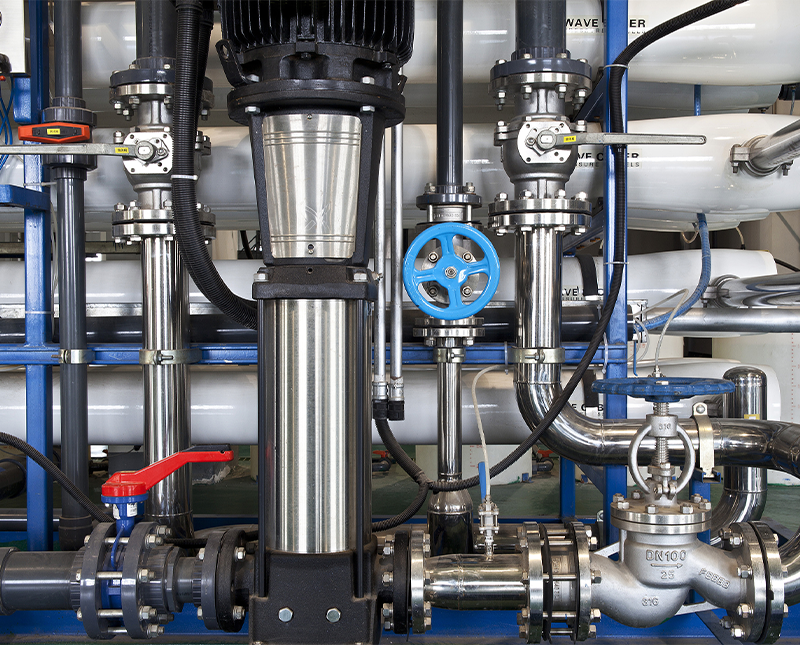
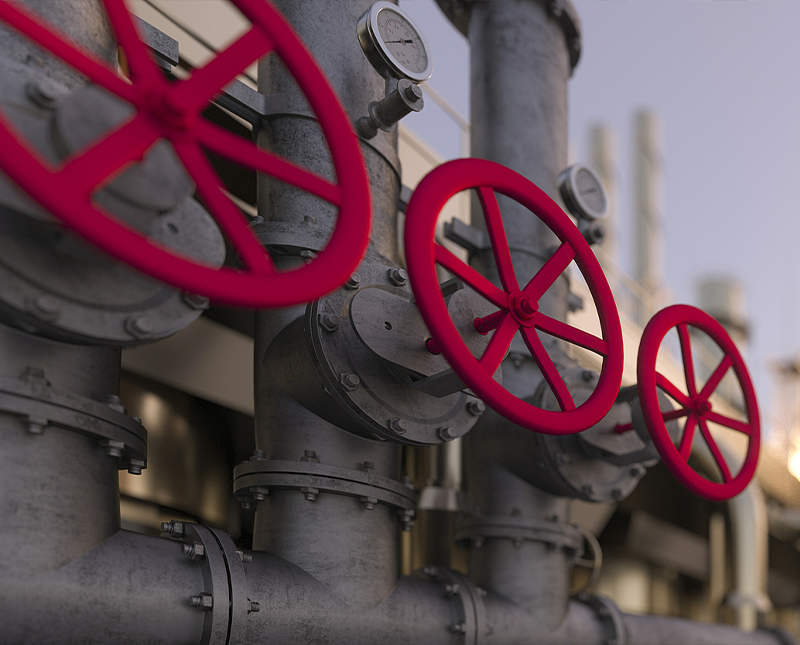
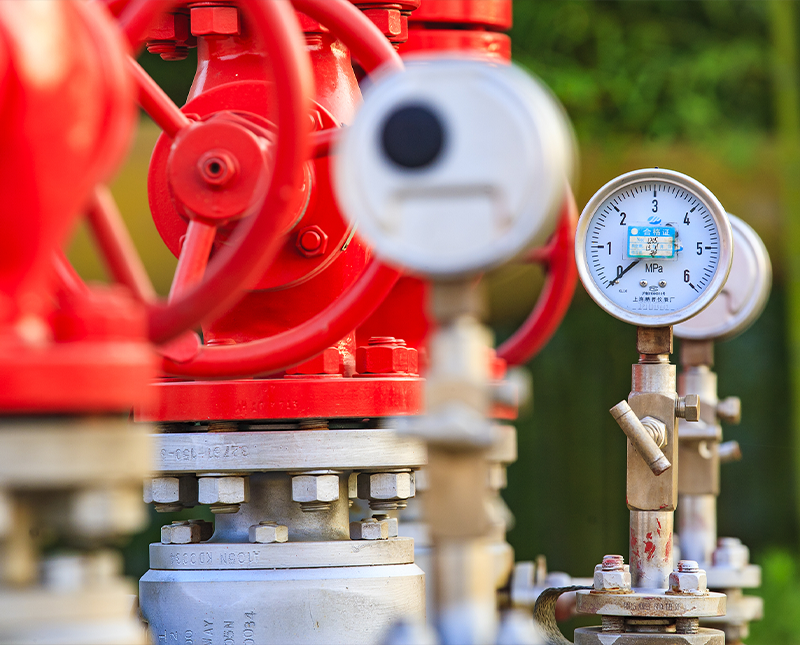
Butterfly valve is a compact, easy-to-operate shut-off and control valve. Featuring small size, light weight and low flow resistance, it is widely used in various industrial piping systems. However, improper selection may easily cause medium leakage and seal failure, and in severe cases, affect the safe and stable operation of the process system. The following introduces the selection principles and applicable occasions of butterfly valves for reference only.
I. Selection Principles
Sealing selection according to medium characteristics
For non-corrosive or weakly corrosive clean media such as water, air and general mineral oil, soft-seated butterfly valves with rubber lining (NBR≤90℃, EPDM≤120℃) or PTFE lining (≤ 230℃, short-term up to 260℃) can be selected, which feature reliable sealing performance and cost-effectiveness.
For high-temperature steam (≥250℃), hot oil, or strongly corrosive chemical media such as acid, alkali solutions and strong oxidants, metal-seated butterfly valves shall be adopted. Hard alloy sealing surfaces with wear and corrosion resistance, such as Stellite hardfacing and Hastelloy alloy, are preferred.It should be noted that the temperature resistance of WCB cast steel body is ≤425°C. Alloy steel bodies (WC6, WC9, CF8C) combined with metal seats can serve working conditions up to 600°C. For temperatures above 600°C, nickel-based alloys such as Inconel together with special graphite sealing structures are required.
For media containing solid particles and fibrous substances, such as sewage, pulp and mineral slurry, double-eccentric or triple-eccentric butterfly valves are the first choice. This design prevents particle jamming and seal surface scratching, and shall be equipped with wear-resistant sealing pairs.
Valve body material selection by pressure and temperature
Normal temperature and low pressure (≤1.6 MPa, ≤80℃):Gray cast iron (HT200) or ductile iron (QT450-10), suitable for water supply, drainage and low-pressure air pipelines.
Medium temperature and medium pressure (≤4.0 MPa, ≤250℃):Cast carbon steel (WCB) or stainless steel (304/316L). The compatibility between lining materials (PTFE, rubber lining) and the medium shall be verified.
For high-pressure conditions (>4.0 MPa) with a size of DN150 and above, double-eccentric or triple-eccentric butterfly valves are recommended.
Note: For sizes larger than DN400 and pressure over 4.0 MPa, butterfly valves provide lower sealing reliability than gate valves or ball valves, and comprehensive evaluation is required.
For frequent opening and closing service, double-eccentric or triple-eccentric designs are preferred, featuring minor seal wear and low operating torque.
Structural type selection based on flow control requirements
For fully open or fully closed service only, concentric butterfly valves are sufficient, with low cost and easy installation.
If flow regulation is required, double-eccentric or triple-eccentric butterfly valves shall be selected. They feature an approximately equal-percentage flow characteristic and high regulation accuracy. Where the control accuracy is required to be within ±5%, butterfly valves are not recommended; control valves or ball valves shall be adopted instead.
Due to high sealing specific pressure, concentric butterfly valves are generally not suitable for throttling service. At an opening of 30°~70°, vortex areas will form on the back of the disc, resulting in distorted flow performance. In addition, repeated extrusion will cause fatigue damage to rubber sealing components.
Consideration of installation and maintenance convenience
Wafer butterfly valves feature compact structure, light weight and small space occupation. However, both-end flanges need to be loosened during disassembly, making them suitable for working conditions with low maintenance frequency.
Flanged butterfly valves are easy to assemble and disassemble, ideal for positions requiring frequent inspection and maintenance, and are the most widely used type in industrial sites.
Welded butterfly valves are only applied to special working conditions with high pressure or zero leakage requirements, and are difficult to replace after installation. It should be noted that welded butterfly valves are rarely used in extreme conditions such as main steam pipelines in power plants, where welded gate valves or globe valves are mostly adopted.
II. Applicable Occasions
- Water Supply, Drainage and Water Treatment Industry
- Concentric soft-sealed butterfly valves are the mainstream products, widely used in water inlet and outlet pipelines, aeration, sludge discharge and circulating water systems of waterworks and sewage treatment plants.
- HVAC Systems
- Butterfly valves are applied to cooling water and chilled water main pipelines of central air conditioning and heating systems, usually equipped with lever, worm gear or electric actuators.
- Chemical and Pharmaceutical Industry
- PTFE or PFA lined anti-corrosion butterfly valves are preferred for media such as acid-base solutions and organic solvents. They feature smooth inner walls, no dead zones and easy cleaning.
- Food and Beverage Industry
- Sanitary polished stainless steel butterfly valves with clamp quick-fit connection are adopted to meet CIP and SIP cleaning and sterilization requirements.
- Metallurgy and Power Industry
- Triple-eccentric metal-seated butterfly valves are the first choice for circulating water, desulfurization and denitrification pipelines, as well as high-temperature flue gas systems. The temperature resistance grade of the valve body material shall be confirmed.
- Naval Architecture and Ocean Engineering
- Special butterfly valves with salt spray corrosion resistance and vibration resistance are selected. Bronze or seawater-resistant stainless steel (such as 2205 duplex steel) is preferred.
The selection of butterfly valves is not fixed. It is necessary to accurately evaluate actual working conditions, including medium characteristics, working pressure, design temperature and matching of sealing structures. Combined with installation space, maintenance frequency and other on-site conditions, unreasonable selection shall be avoided.