 English
 Deutsch
 Indonesia



Content
- 1 Immediate Answer: Choosing the Right Shut Off Valve
- 2 Fundamental Types of Shut Off Valves
- 3 Material Selection for Durability and Compatibility
- 4 Pressure Ratings and Size Considerations
- 5 Installation Best Practices to Ensure Longevity
- 6 Maintenance and Testing Protocols
- 7 Common Failure Modes and Prevention
- 8 Compliance and Industry Standards
Immediate Answer: Choosing the Right Shut Off Valve
The most critical factor in shut off valve selection is matching the valve type and material to your system’s pressure, temperature, and media. A mismatch can cause leaks, pressure drops, or complete system failure. For example, using a brass gate valve in a high-chloride environment may lead to rapid dezincification and cracking. This guide provides the technical data and practical steps needed to make an informed decision.
Fundamental Types of Shut Off Valves
Each valve design has distinct flow characteristics and shut-off capabilities. The table below summarizes the most common types used in industrial and commercial systems.
| Valve Type | Typical Applications | Pressure Range (psi) | Key Advantage |
|---|---|---|---|
| Gate Valve | Isolation, low pressure drop | 0–2,500 | Full bore, minimal restriction |
| Globe Valve | Throttling, frequent operation | 0–1,500 | Good shut-off capability |
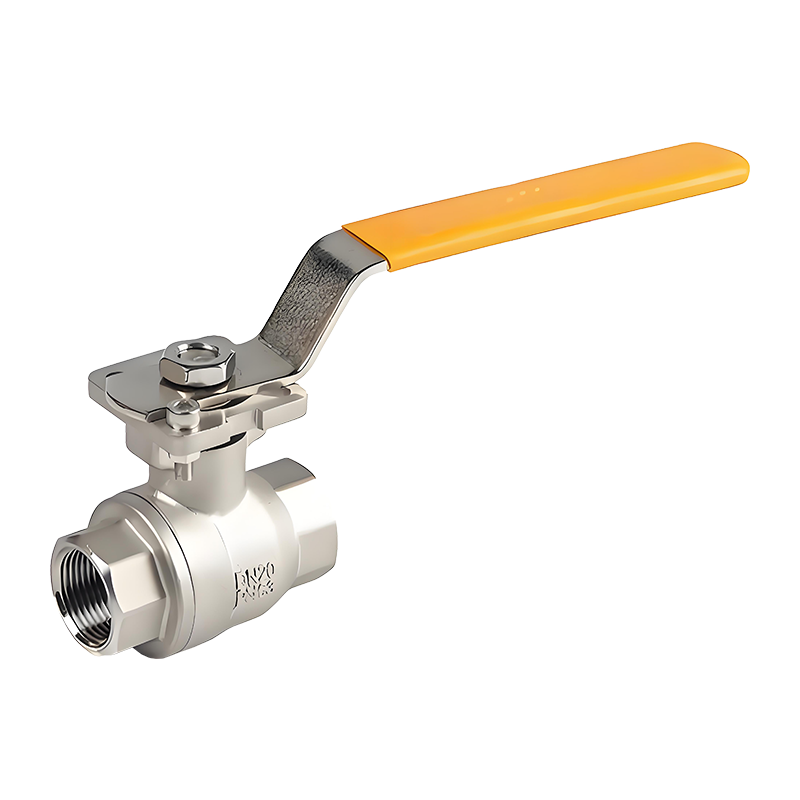
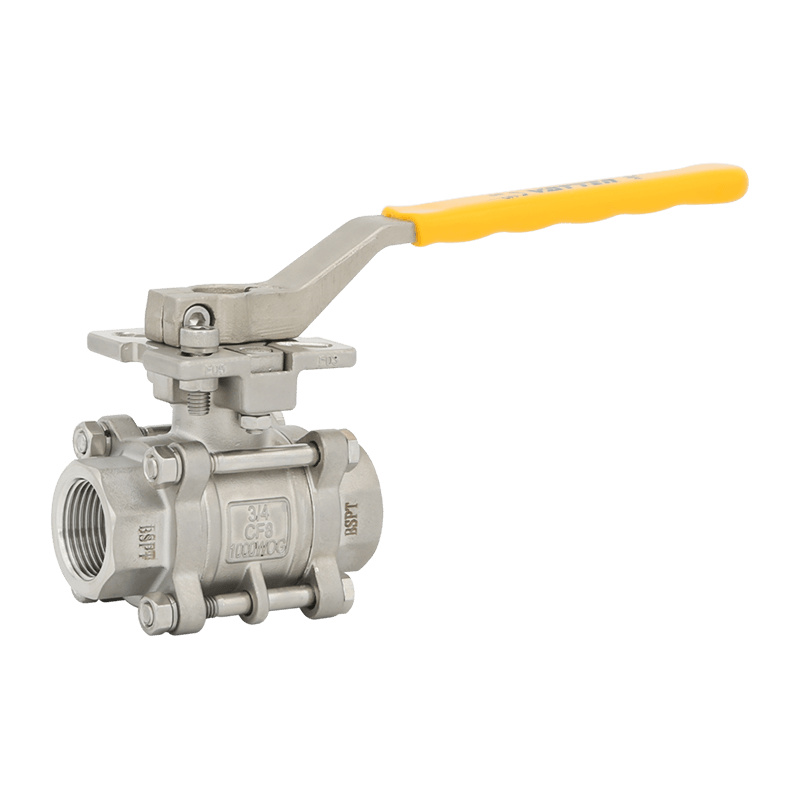
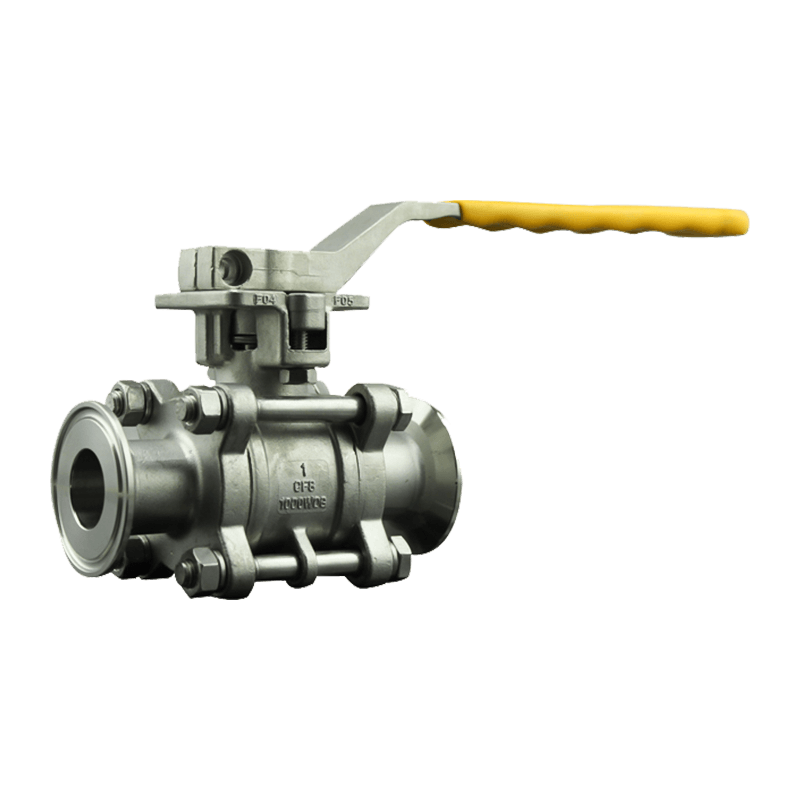
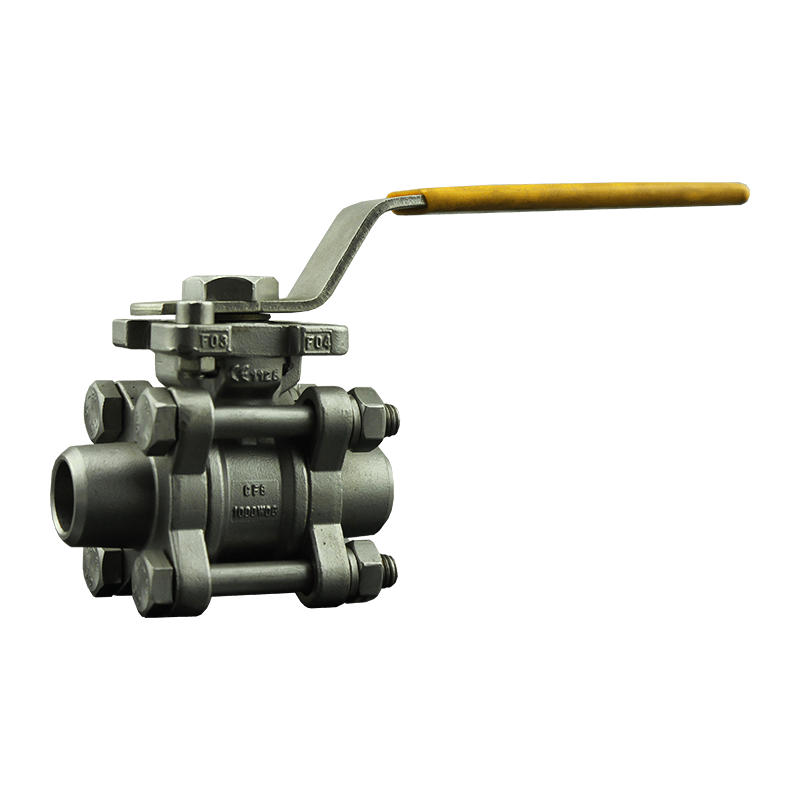
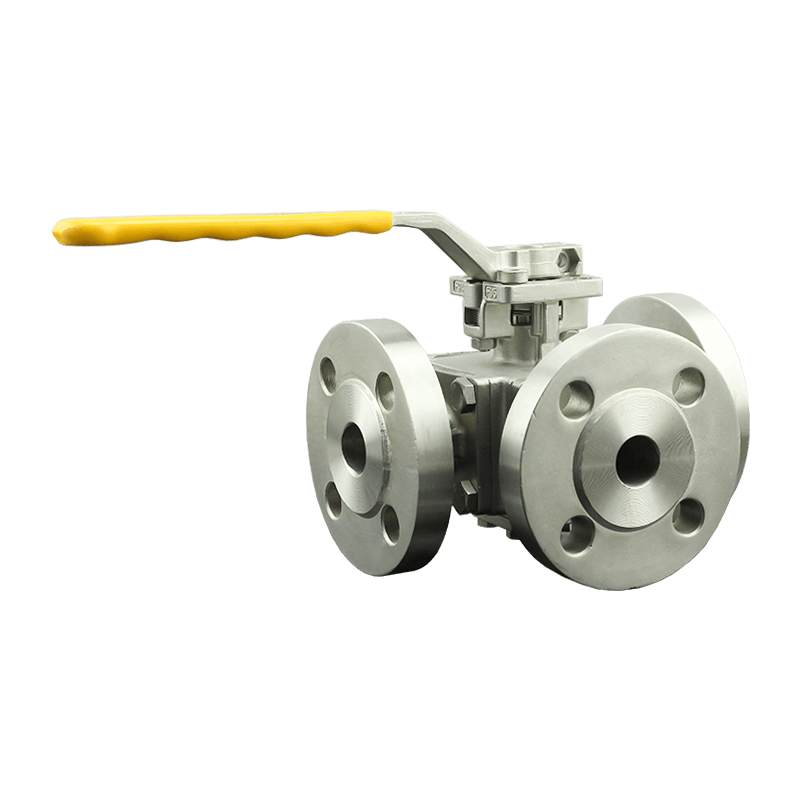
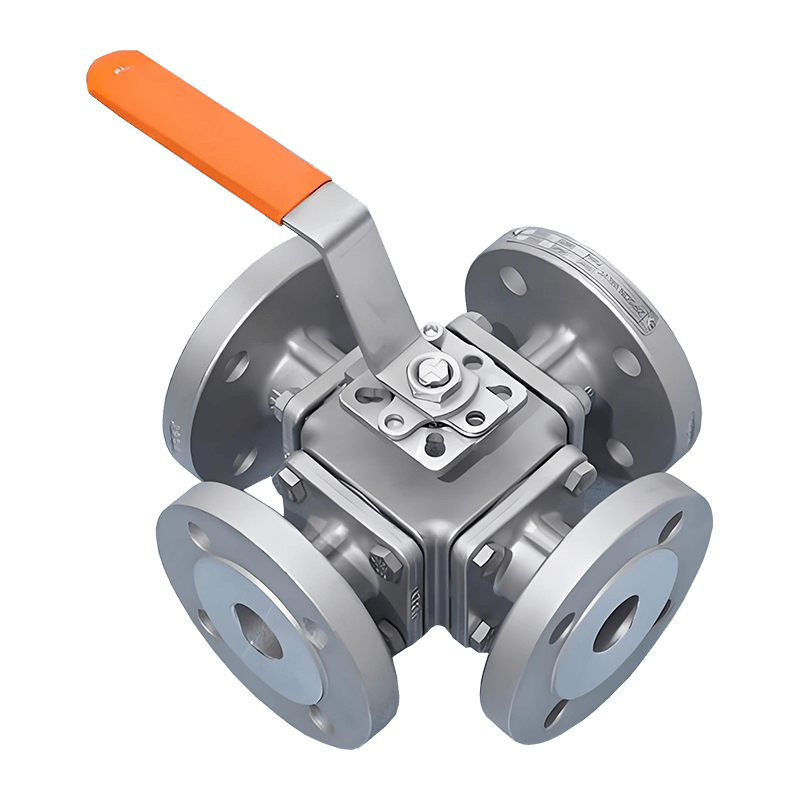
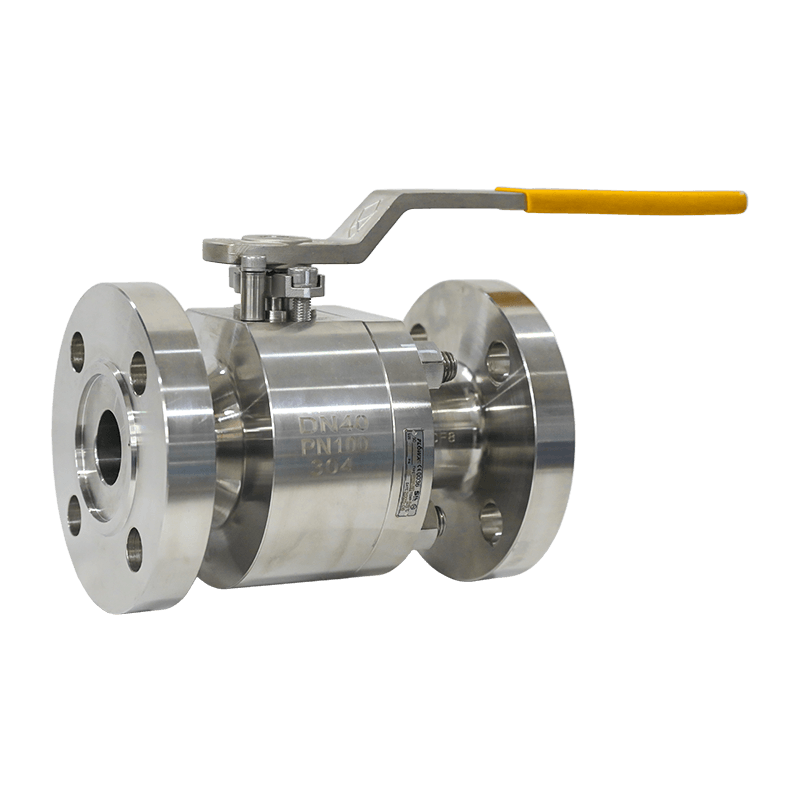
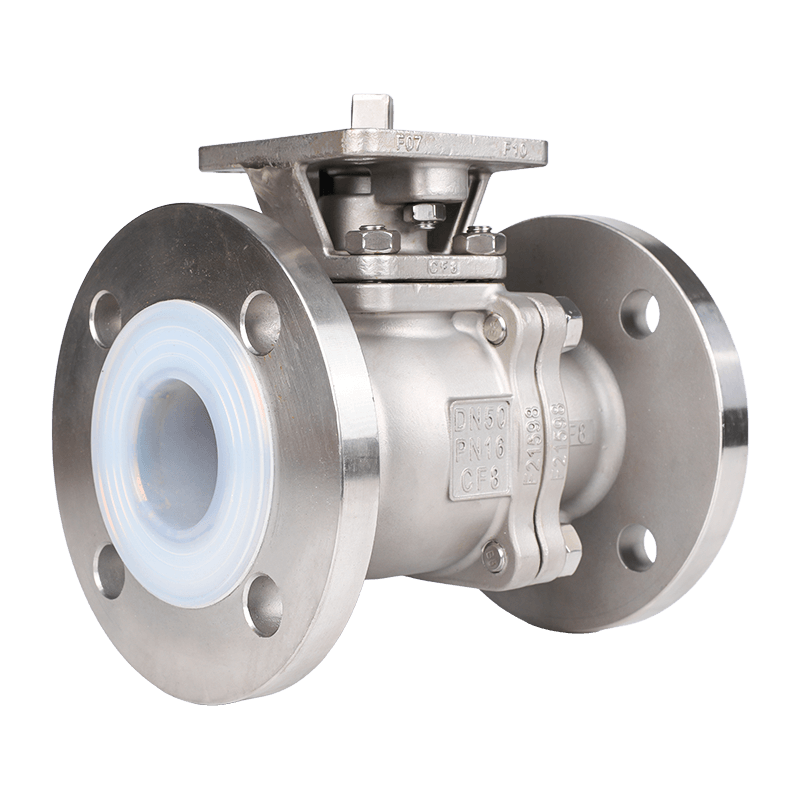
| Ball Valve | Quick shut-off, gas/liquid | 0–3,000 | Quarter-turn, bubble-tight seal |
| Butterfly Valve | Large diameter, low pressure | 0–450 | Compact, lightweight |
| Plug Valve | Slurries, viscous fluids | 0–1,500 | Straight-through flow |
When to Use Each Type
Ball valves account for over 40% of industrial shut-off applications due to their reliable sealing and durability. For high-temperature steam (above 250°C), globe valves with metal seats are preferred. In water distribution networks, gate valves are common because they create negligible head loss when fully open.
Material Selection for Durability and Compatibility
The valve body and trim materials must resist corrosion, erosion, and temperature extremes. The following table shows common materials and their typical service limits.
| Material | Common Media | Max Temperature (°C) | Typical Pressure Class |
|---|---|---|---|
| Brass | Water, air, non-corrosive gases | 95 | 200 WOG |
| Bronze | Seawater, steam | 260 | 300 psi |
| Stainless Steel (316) | Chemicals, food, high-purity | 450 | Class 150–600 |
| Cast Iron | Water, wastewater | 120 | Class 125 |
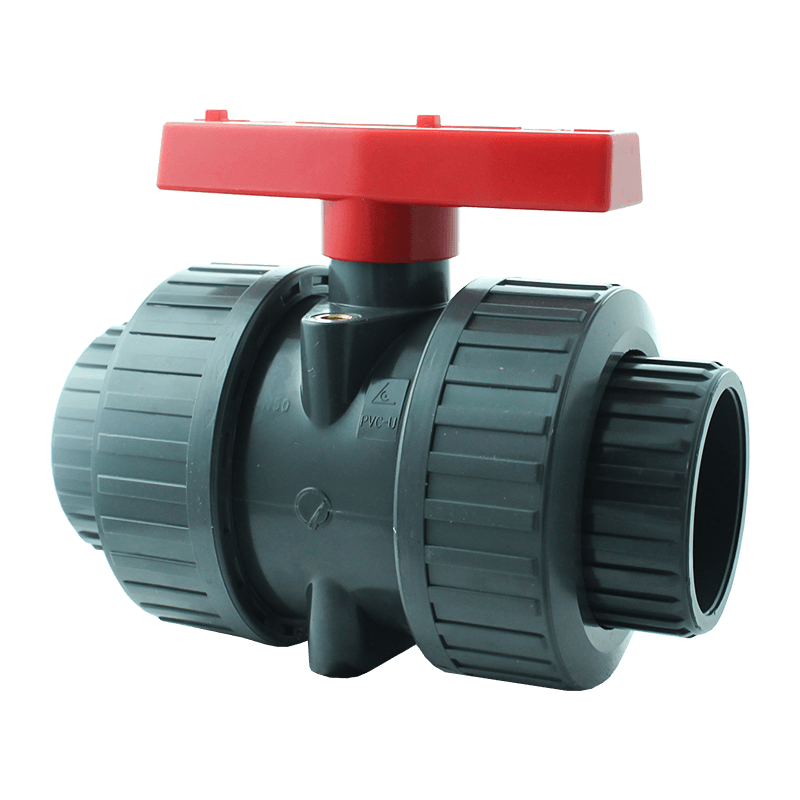
| PVC | Acids, caustics, deionized water | 60 | 150 psi |
Stainless steel valves (CF8M) are specified in 70% of chemical process applications because they resist a wide range of corrosive media. For potable water, brass with low lead content is mandated by many local codes.
Pressure Ratings and Size Considerations
Valves are rated by pressure classes (e.g., Class 150, 300, 600) defined by ANSI/ASME. The class indicates the maximum allowable pressure at a given temperature. For example:
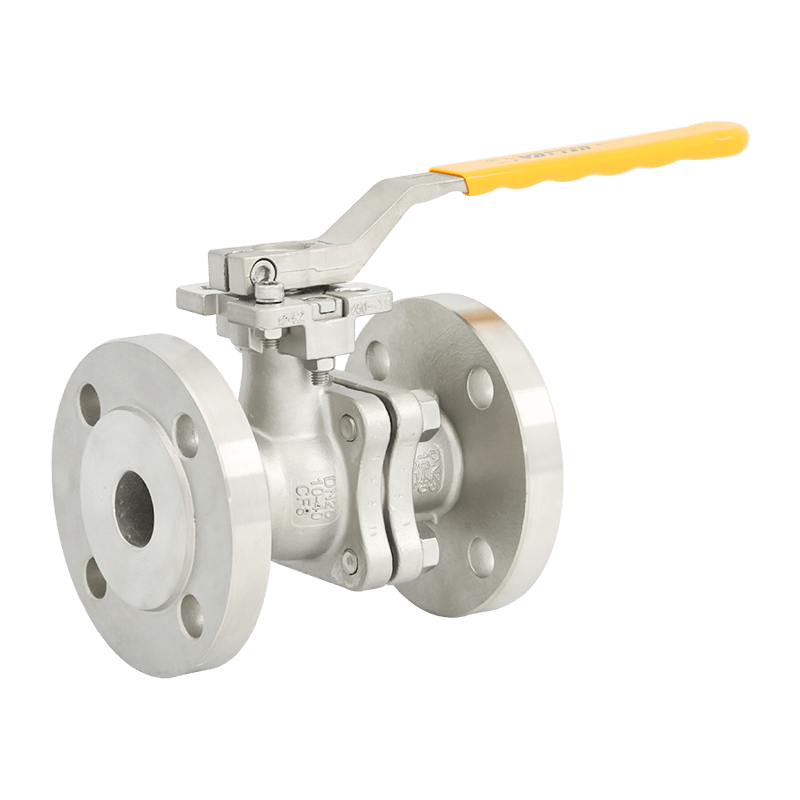
- A Class 150 flange-rated valve is suitable for 285 psi at ambient temperature, but only 140 psi at 300°C.
- Sizing must account for flow velocity: for water, keep velocity below 5 m/s to avoid erosion and water hammer.
- For a 6-inch line carrying 500 gpm of water at 150 psi, a full-port ball valve (Class 150) is a standard choice.
Always consult the manufacturer's pressure-temperature chart; exceeding these limits voids warranties and creates safety hazards.
Installation Best Practices to Ensure Longevity
Proper installation prevents premature failure. Follow these steps:
- Inspect the valve for shipping damage and verify that the pressure class and end connections match the system.
- Ensure the valve is in the partially open position during installation to protect seats (except for check valves).
- For threaded valves, use thread sealant on the male pipe only, avoiding the first thread to prevent sealant entering the system.
- Flanged valves: tighten bolts in a cross pattern to the torque specified by the gasket manufacturer.
- Support heavy valves independently; do not let piping weight rest on the valve body.
A study by the Valve Manufacturers Association found that 30% of valve failures are due to incorrect installation. Using proper torque (e.g., 70–100 ft-lbs for a 2-inch Class 150 flange) reduces leak paths.
Maintenance and Testing Protocols
Regular maintenance extends valve life and ensures tight shut-off. Recommended intervals:
- Quarterly: visual inspection for leaks, corrosion, and position indicator alignment.
- Annually: operate the valve fully open/close to clear deposits; check stem packing for weepage.
- Every 3–5 years or after 5,000 cycles: perform seat leak test (bubble-tight per ISO 5208, Rate A).
Valves that remain inactive for long periods should be exercised at least twice a year to prevent seizing. Lubricate stems and rotating parts with compatible grease.
Common Failure Modes and Prevention
Stem Leakage
Often caused by worn packing or thermal cycling. Packing can be adjusted in live-loaded designs; if leakage exceeds 500 ppm, repack immediately.
Seat Erosion
In throttling services, high velocity cuts seats. Use valves with hardened trim (Stellite) if flow is near the shut-off point. For example, in a 300 psi steam line, a globe valve with Stellite seat lasts three times longer than standard 13% chrome.
Corrosion Under Insulation (CUI)
Carbon steel valves in insulated lines can corrode undetected. Inspect insulation periodically; if moisture is present, use protective coatings or stainless steel.
Compliance and Industry Standards
Shut off valves must meet design and testing standards to ensure safety and interchangeability. Key standards include:
| Standard | Scope |
|---|---|
| ASME B16.34 | Pressure-temperature ratings, dimensions for flanged, threaded, and welded ends |
| API 598 | Inspection and testing of valves (shell, backseat, and seat tests) |
| ISO 5208 | Pressure testing of metallic valves – allowable leakage rates |
| MSS SP-25 | Standard marking system for valves |
When specifying valves, always require compliance with the relevant standard and request test certificates.