 English
 Deutsch
 Indonesia


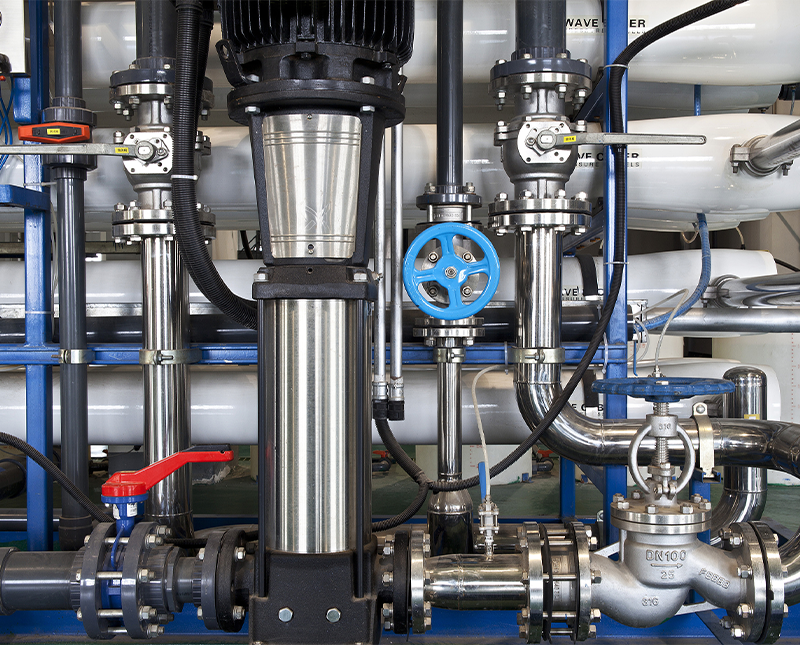
Hello everyone, this is Vatten Valve.
If high-viscosity fluid is a "soft knife," then slurry containing solid particles is "hard abrasion."
Mineral slurry from mining, limestone slurry, catalyst powder…When these fluids pass through a valve, it’s like grinding the valve core non‑stop with a grinder 24 hours a day.
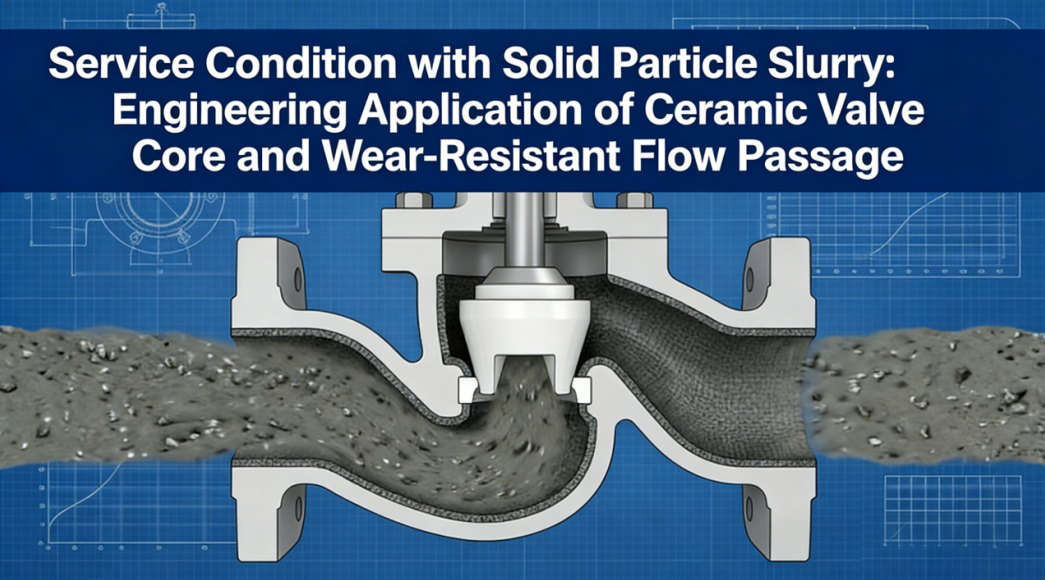
Ordinary stainless steel valves may only last two weeks under such conditions.So what’s the solution?If metal can’t hold up, we turn to the king of hardness in materials: engineering ceramics.
Why do metals fail?
Metal wear is typically caused by particles cutting or impacting the metal surface. Although we can harden the metal (such as through Stellite hardfacing), it remains relatively "soft" when faced with quartz sand or ore particles due to insufficient hardness difference.

Moreover, when the flow direction changes (such as at bends) or vortices form, the localized scouring velocity of the particles becomes extremely high, carving out large cavities in the metal.
Ceramic Trim: Fighting Hardness with Hardness
We mainly use two types of structural ceramics:
- Zirconia (ZrO₂): High toughness, not easy to break, white in color.
- Silicon Nitride (Si₃N₄): Extremely high hardness, thermal shock resistant, gray/black in color.
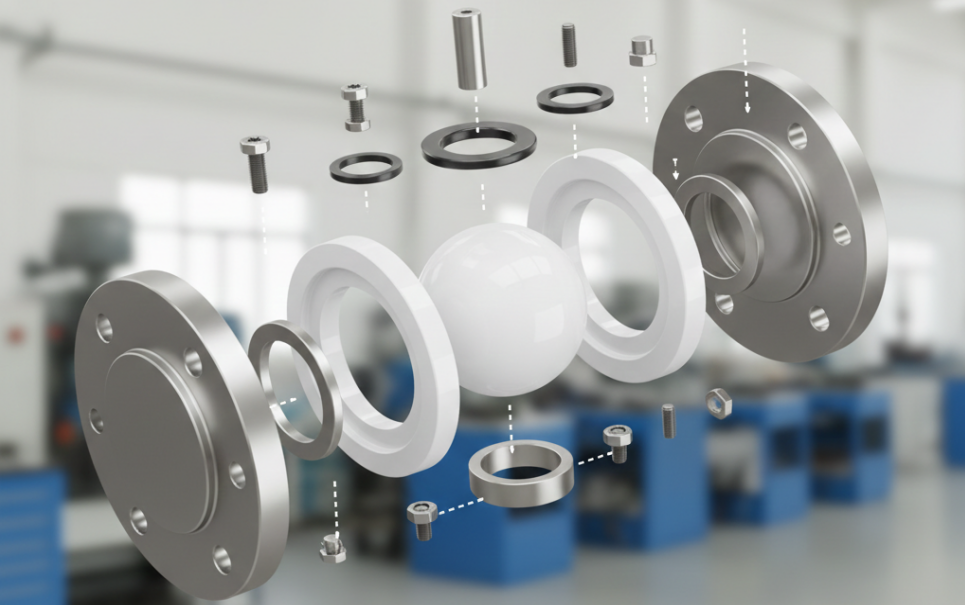
Their Mohs hardness is usually above 9, second only to diamond. Sand (silica) cannot wear them down at all.
Service Life Comparison:Under the same slurry conditions, the service life of full-ceramic internals is typically 5 to 10 times longer than that of Stellite alloy.
The Wisdom of Flow Passage Design: Leave No Dead Zones
Besides changing materials, the valve structure must also be improved.
Avoid Dead Zones:
In a conventional globe valve, particles will accumulate in the dead zones of the valve cavity and eventually jam the stem.
Preferred Structures:
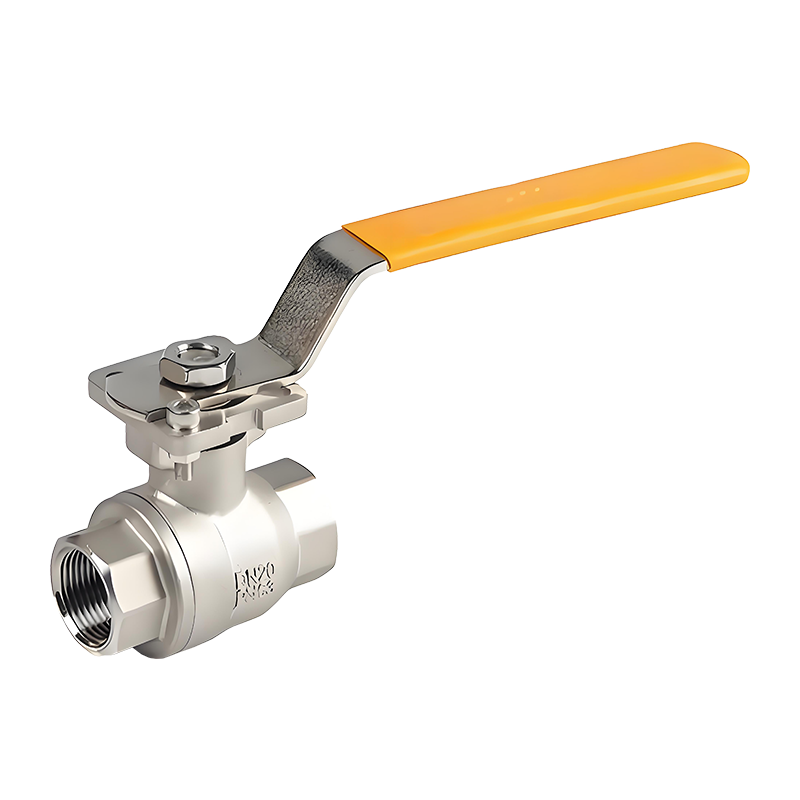
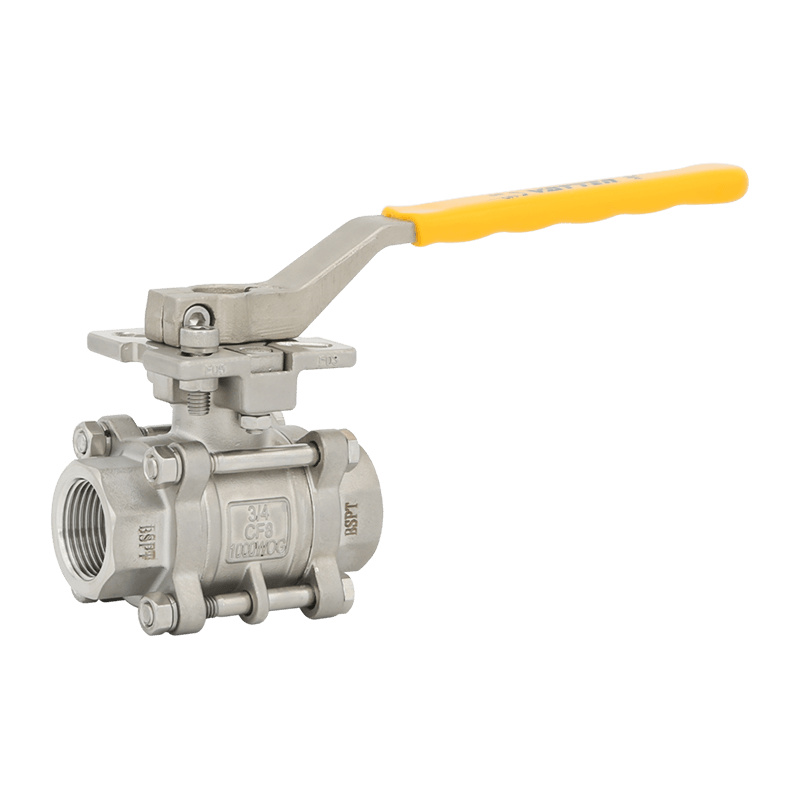
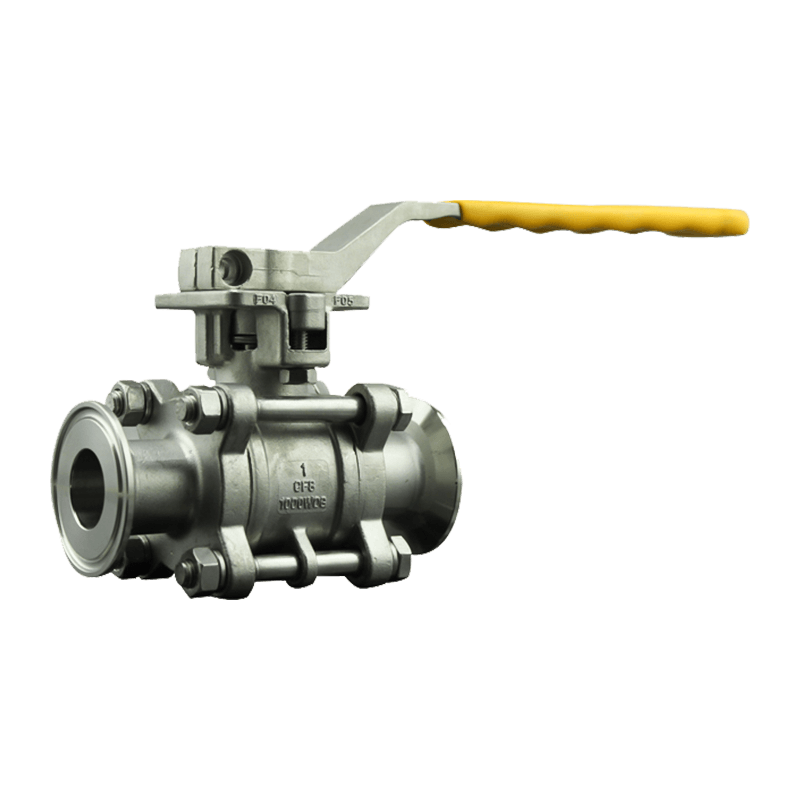
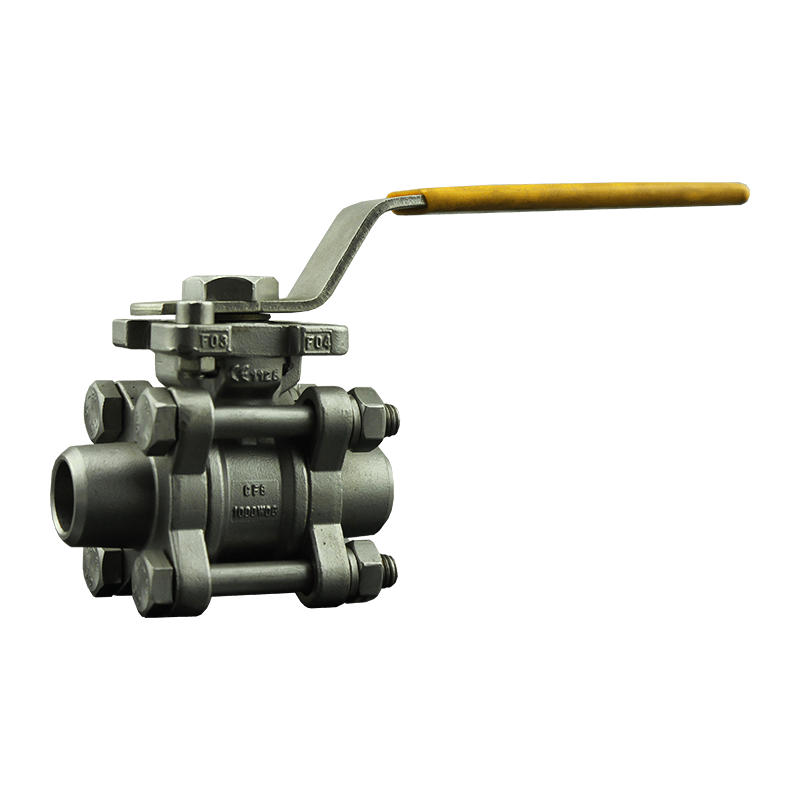
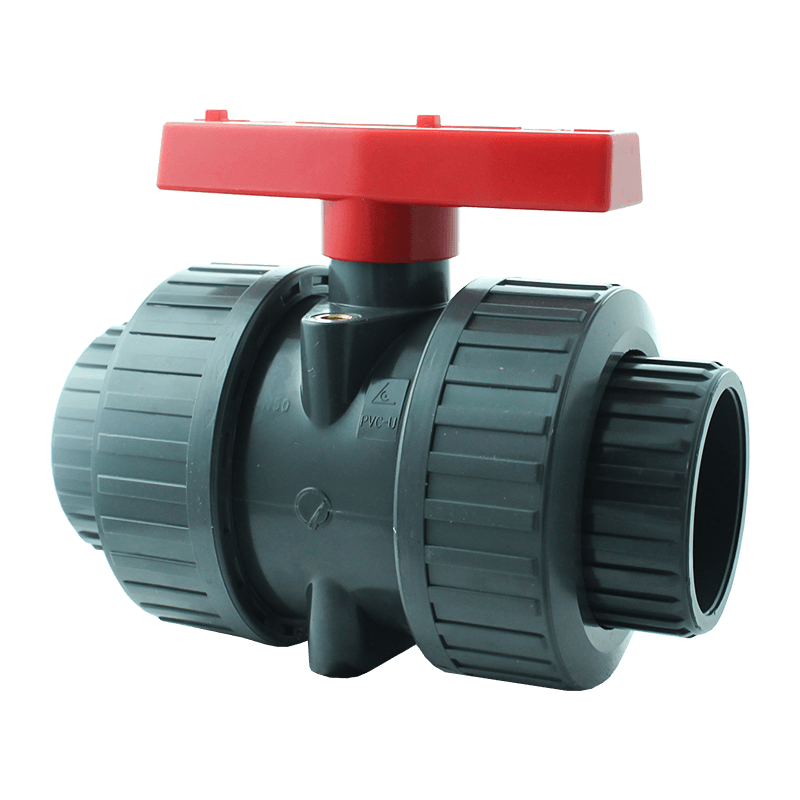
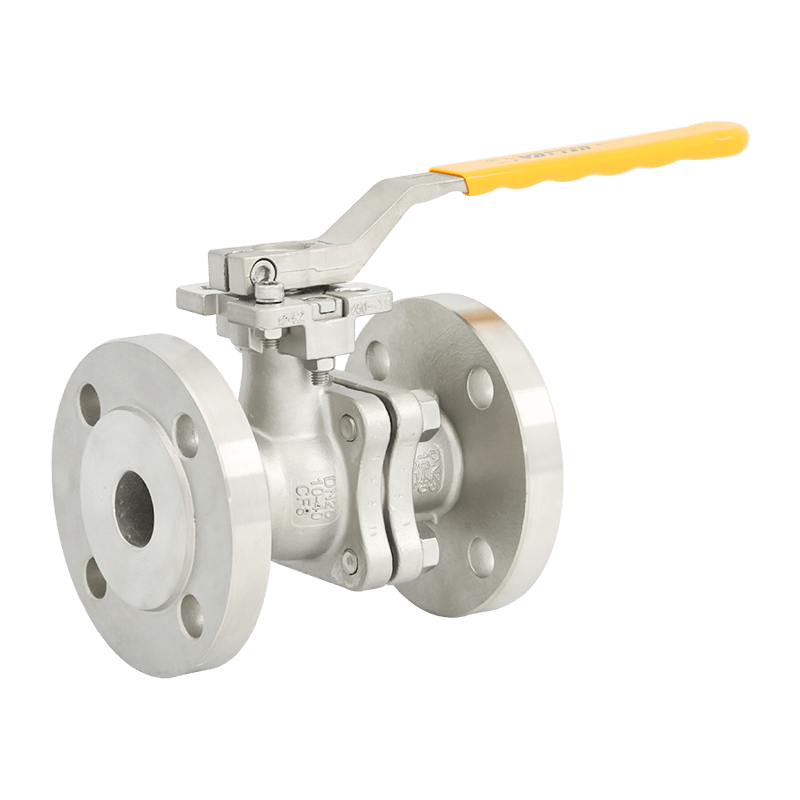
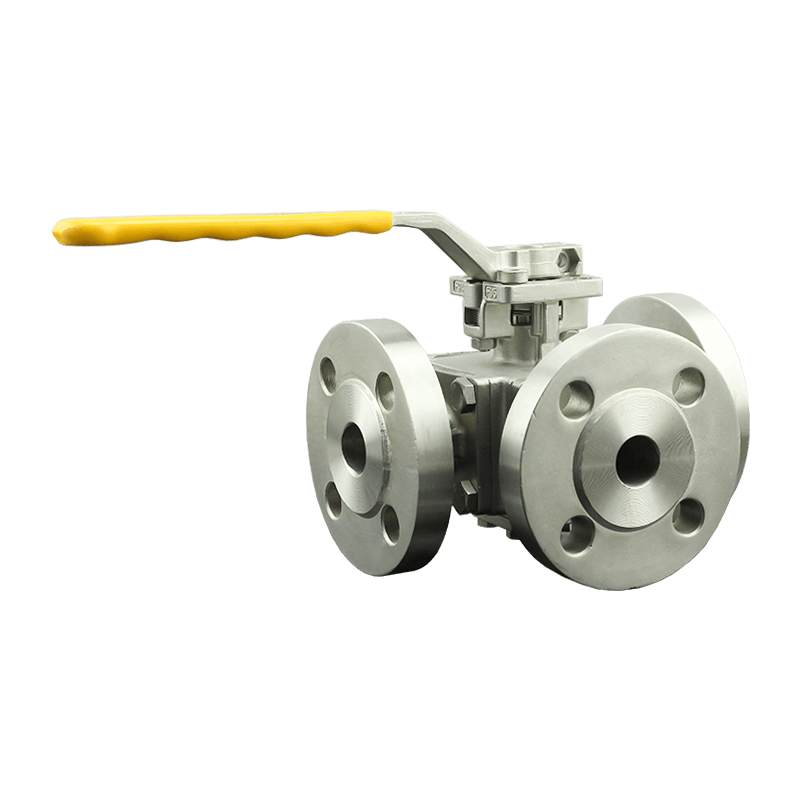
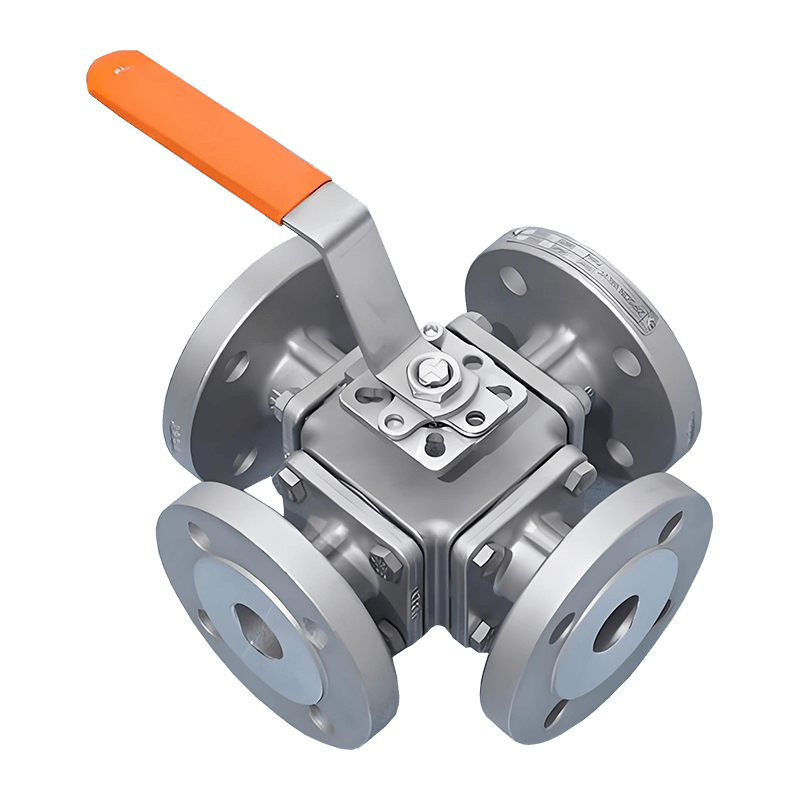
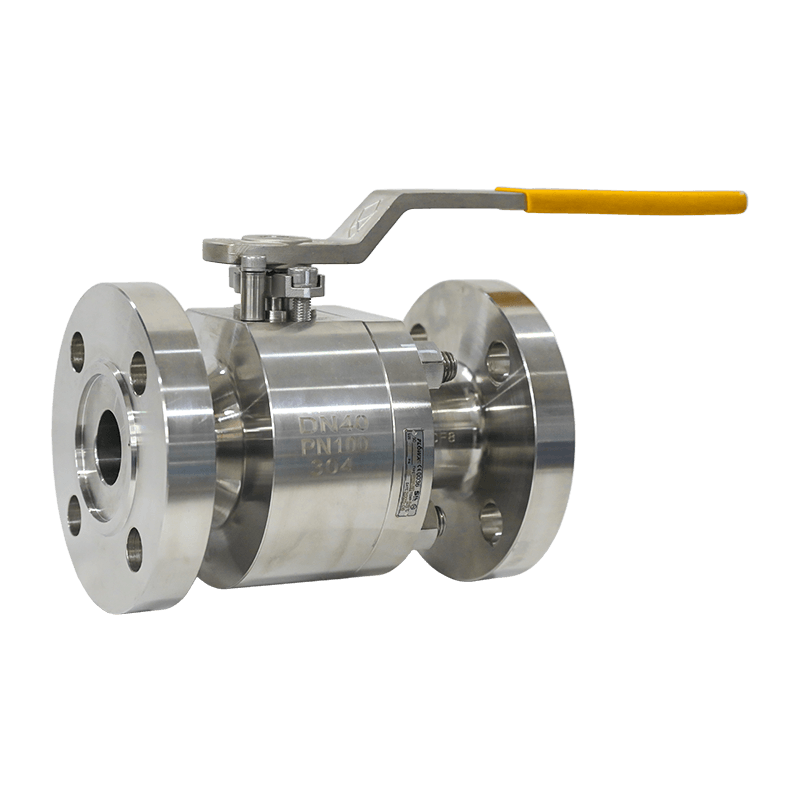
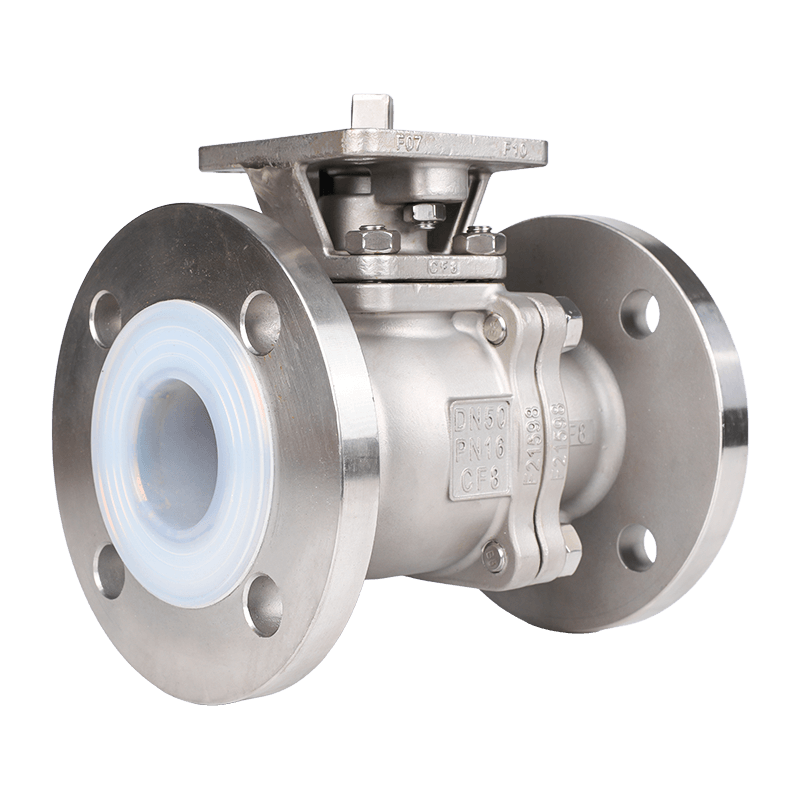
- Ceramic Ball Valve: Straight-through flow passage, no obstruction; rotating shear action can also cut through particles.
- Angle Valve with Flared Outlet: Uses the Venturi effect to accelerate flow, and takes advantage of the angle valve’s direct discharge characteristic .
- Pinch Valve: Shuts off flow by compressing a wear-resistant rubber sleeve, with no metal parts in contact with the medium.
Summary
- Pain point: Solid particles cause devastating wear to metal.
- Material: Zirconia and silicon nitride are the ultimate solutions.
- Structure: Always choose ball valves or angle valves with smooth flow passages to avoid material buildup.
- Fragility warning: Ceramics are vulnerable to mechanical shock (heavy impact) and severe thermal shock. Handle with extreme care during installation, just like you would with fine jade or crystal.