 English
 Deutsch
 Indonesia


Content
- 1 Why Stainless Steel Outperforms Other Valve Materials
- 2 304 vs 316 Stainless Steel: Which Grade Do You Actually Need?
- 3 Ball Valve Body Configurations: 2-Piece, 3-Piece, and Beyond
- 4 Full Port vs. Standard Port: A Flow Rate Decision
- 5 Choosing the Right Actuation: Manual, Pneumatic, or Electric
- 6 Key Applications Across Industries
A corroded valve in a seawater desalination plant costs far more than the valve itself — shutdowns, contamination risk, and replacement labor add up fast. The material choice made at the specification stage determines whether a stainless steel ball valve lasts two years or twenty. This guide cuts through the noise so you can select the right valve the first time.
Why Stainless Steel Outperforms Other Valve Materials
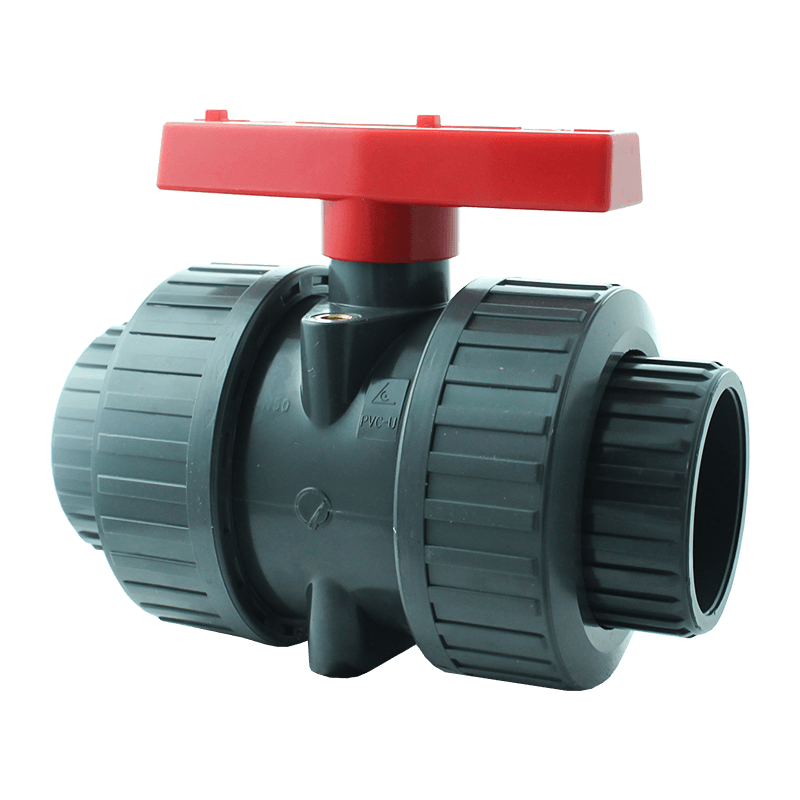
Brass is economical and easy to machine, making it a default choice for general-purpose applications. But expose it to high-chloride water and dezincification sets in, weakening the alloy from the inside. Carbon steel brings impressive pressure ratings but lacks corrosion resistance without additional coatings. PVC is lightweight and chemical-resistant yet fails under temperatures above 60°C and cannot handle significant mechanical stress.
Stainless steel occupies a different category entirely. The chromium content — a minimum of 10.5% — forms a passive oxide layer on the surface that self-repairs when scratched. The result is a valve body that handles corrosive fluids, extreme temperatures, and high pressures while remaining clean enough for pharmaceutical and food-grade service. For demanding industrial environments, there is simply no equivalent material at a comparable cost.
304 vs 316 Stainless Steel: Which Grade Do You Actually Need?
This is the single most consequential choice in stainless steel ball valve specification. Grade 304 contains 18% chromium and 8% nickel — excellent for oxidizing acids and general industrial service. Grade 316 adds 2–3% molybdenum to that formula, and that one addition dramatically improves resistance to chloride-induced pitting corrosion.
| Property | SS 304 | SS 316 |
|---|---|---|
| Chromium | 18% | 16% |
| Nickel | 8% | 10% |
| Molybdenum | None | 2–3% |
| Chloride resistance | Moderate | High |
| Typical use | General industrial, food processing | Marine, chemical, pharmaceutical |
The practical rule: if your system involves chlorinated water, seawater, brine, or aggressive chemical service, specify 316. For clean water, steam, and mild process fluids where chlorides are not a concern, 304 performs reliably at a lower cost. Using 304 in a marine environment to save money is a false economy — pitting corrosion failures can appear within months.
Ball Valve Body Configurations: 2-Piece, 3-Piece, and Beyond
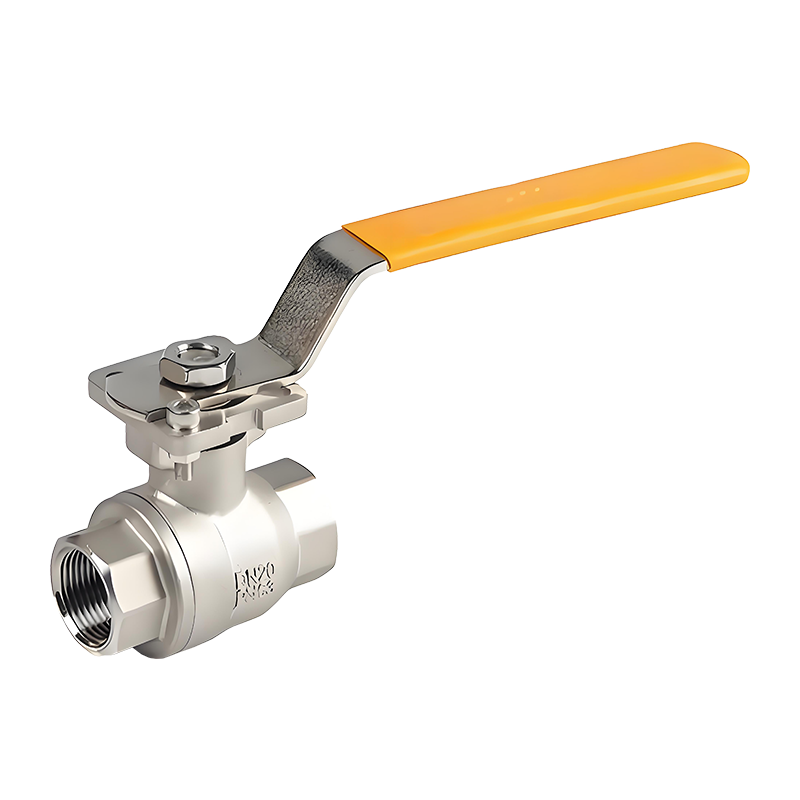
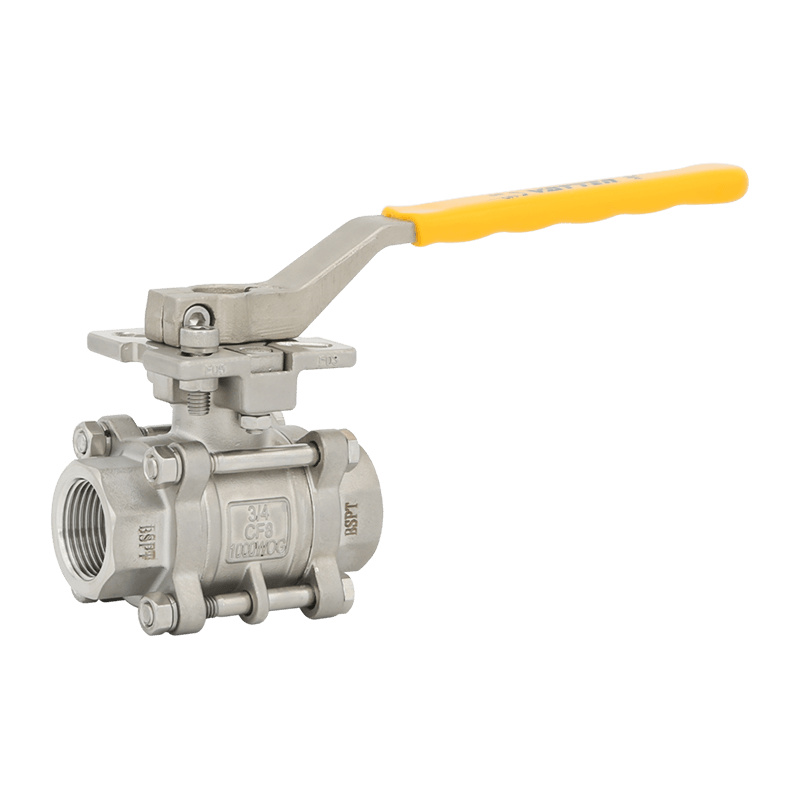
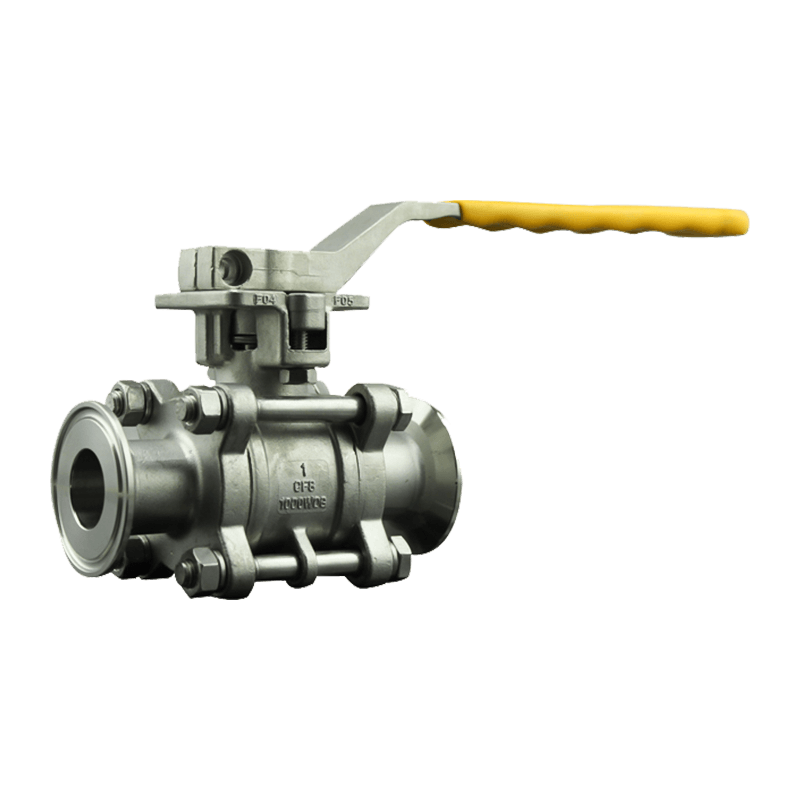
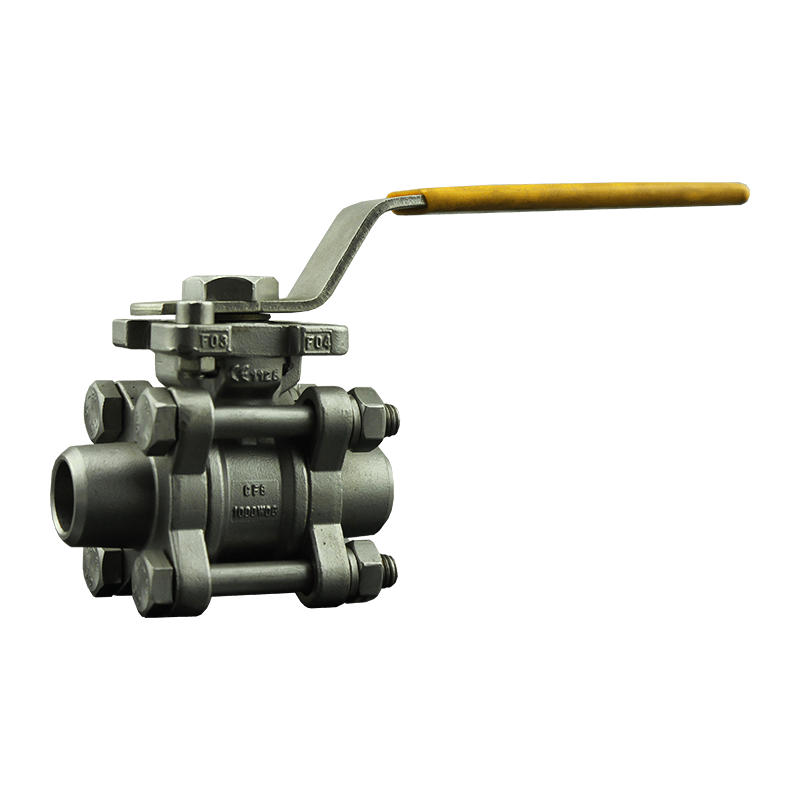
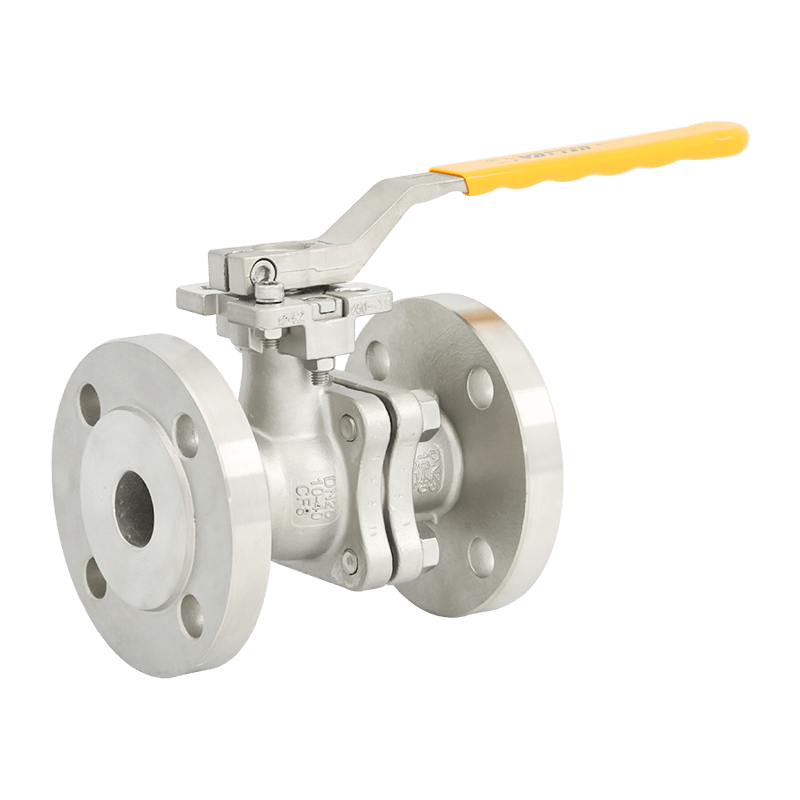
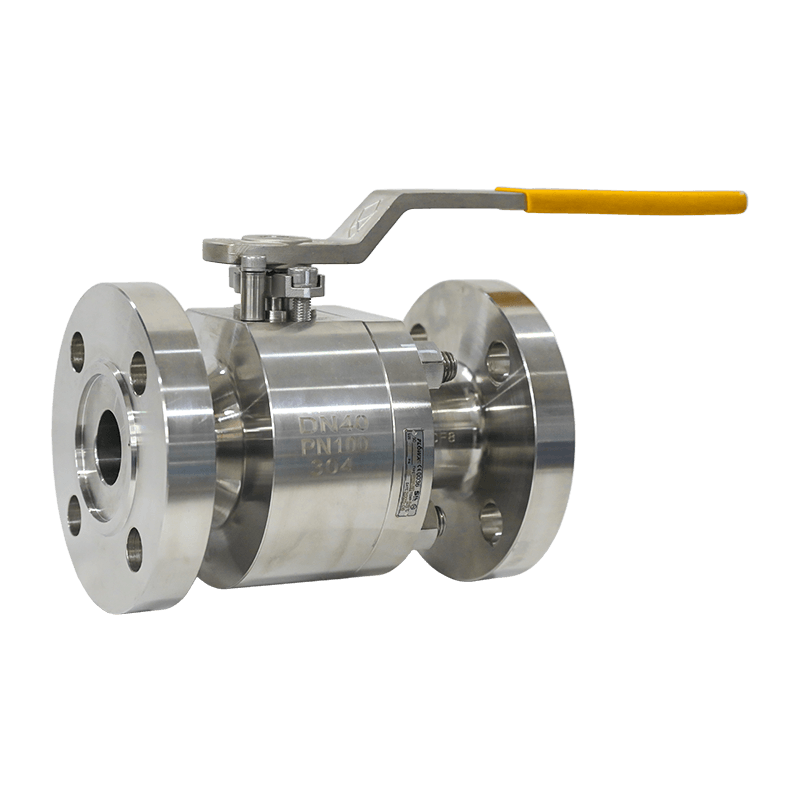
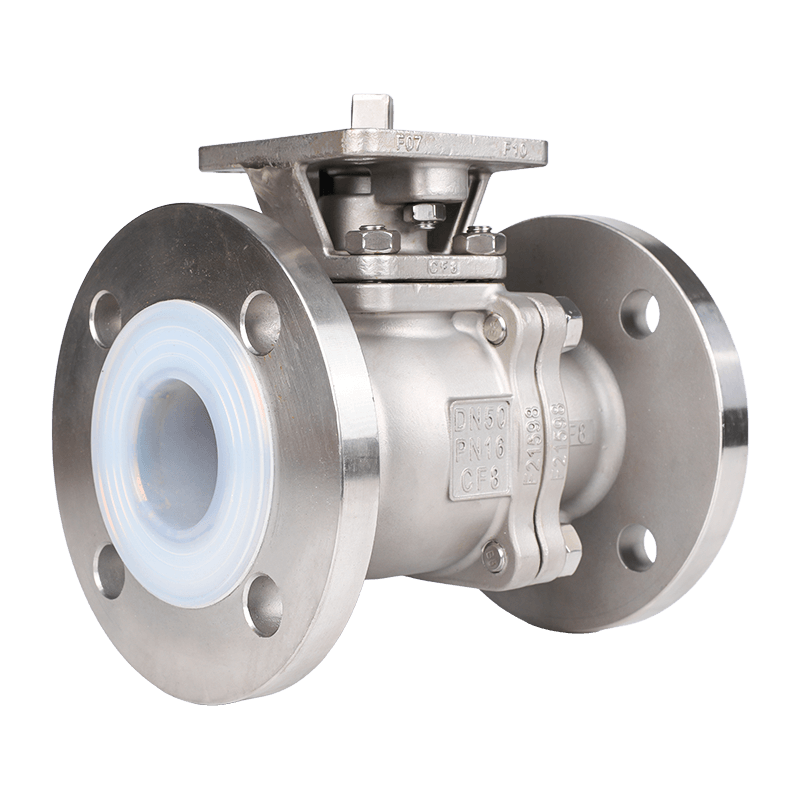
The body configuration determines how easy the valve is to maintain and whether it can be serviced in-line. A two-piece body bolts together at one joint — compact and cost-effective, but internal components must be removed from the line for replacement. A three-piece body separates the middle section from both end caps, allowing the valve to be disassembled, inspected, and reseated without disturbing the piping. For processes that require frequent cleaning or regular seat replacement, the three-piece design pays for itself quickly.
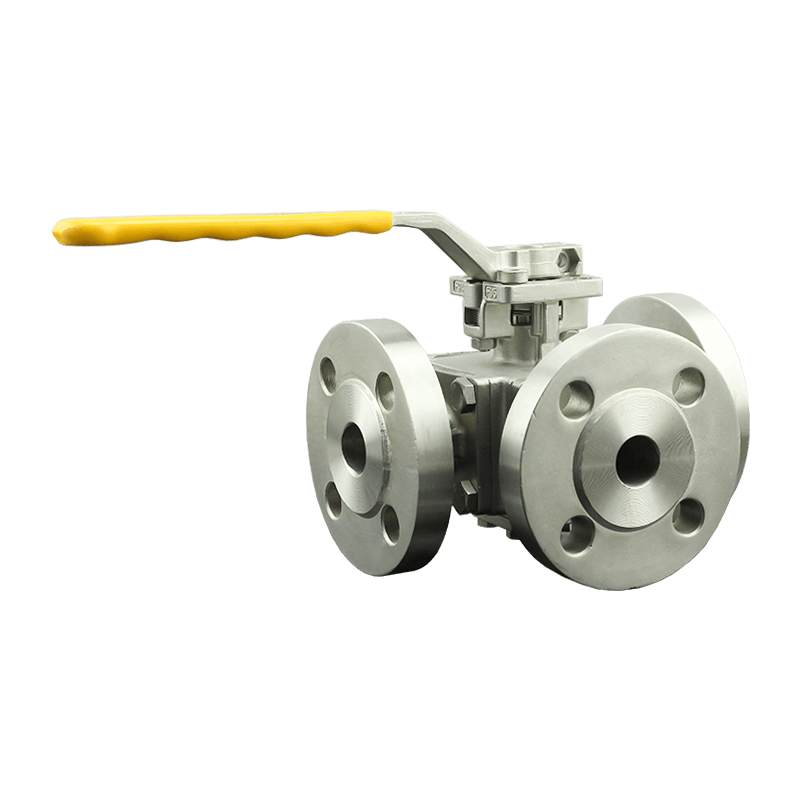
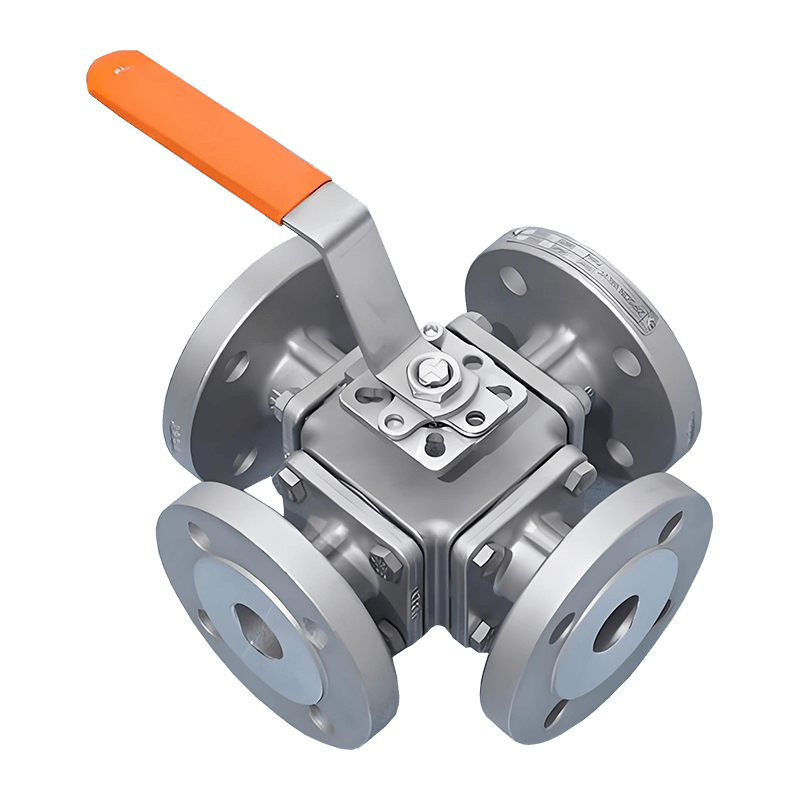
Manual stainless steel ball valves with threaded and flanged connections are available in both two-piece and three-piece configurations, covering connection types from NPT threaded and butt-weld to clamp and union fittings. Clamp connections in particular are favored in sanitary applications for their tool-free disassembly and hygienic profile.
Full Port vs. Standard Port: A Flow Rate Decision
A full-port (full-bore) valve has an internal bore that matches the nominal pipe diameter. Flow passes through with minimal restriction, and the valve can be pigged for cleaning — a requirement in many pipeline and food-processing systems. A standard-port valve uses a smaller ball opening, which reduces cost but creates a measurable pressure drop. For a 2-inch standard-port valve, effective flow characteristics approximate those of a 1.5-inch pipe.
Choose full-port when flow rate is critical, when pressure drop across the valve must be minimized, or when inline inspection tools need to pass through. Standard-port works well in systems where a modest flow restriction is acceptable and upfront cost matters more than hydraulic efficiency.
Choosing the Right Actuation: Manual, Pneumatic, or Electric
Manual actuation — a lever handle for quarter-turn operation — is the simplest and most reliable option for valves that are operated infrequently or where an operator is always on-site. No power supply or compressed air is required, and there is nothing to fail electronically.
Pneumatic ball valves for automated process control use compressed air to drive an actuator, enabling fast cycling — typically under one second for a full open-to-close stroke. They are the standard choice for on/off automation in chemical plants, where speed and fail-safe positioning (spring-return to open or closed) are priorities.
Electric ball valves for remote-operated systems run on AC or DC power and integrate directly with SCADA, PLCs, and building automation systems. They are well-suited where compressed air infrastructure is unavailable and where precise positioning or modulating control is needed alongside on/off function.
Key Applications Across Industries
Stainless steel ball valves appear across virtually every major process industry, but the specification priorities differ by sector. In chemical processing, the emphasis falls on 316SS bodies, PTFE or RPTFE seats rated for the specific chemical compatibility, and blowout-proof stem designs. In food and beverage, the focus shifts to sanitary clamp connections, electropolished internal surfaces (Ra ≤ 0.8 µm), and compliance with hygienic standards. Water treatment systems often specify full-port flanged valves to minimize head loss across long pipeline runs, while pharmaceutical manufacturers require documentation of material traceability and surface finish validation.
For engineers and procurement teams evaluating options across these industries, the complete ball valve product range — spanning manual, pneumatic, and electric actuation with a full matrix of connection types and material grades — provides a practical starting point for shortlisting candidates against application-specific requirements.
The common thread across all sectors: specifying one grade above your minimum requirement rarely adds significant cost at the valve level, but it consistently reduces lifecycle costs by extending service intervals and eliminating corrosion-related failures before they interrupt production.