 English
 Deutsch
 Indonesia


Content
The Real Difference Isn't Just Material
A pump room floods with caustic cleaning solution every shift. A water utility buries its valves under six feet of soil for thirty years without ever seeing them again. Same valve type, same basic design, but two completely different outcomes depend on one thing: what the body is made of.
Choosing between Stainless Steel Gate Valves and Cast Iron Gate Valves isn't about picking the "premium" option by default. It's about matching the material to conditions you'll be living with for the next ten or twenty years. Get it right, and the valve disappears into the background of your operation. Get it wrong, and you're scheduling an emergency shutdown to replace a corroded body.
The four questions below cut through most of the guesswork. Answer them honestly and the right material usually becomes obvious.
What's Actually Flowing Through the Pipe?
This is the question that eliminates half the options immediately. Clean potable water, treated process water, low-pressure heating loops, and HVAC circuits sit comfortably within the limits of cast iron. The material has decades of proven service in municipal and building-services pipelines, and its track record in these applications is hard to argue with.
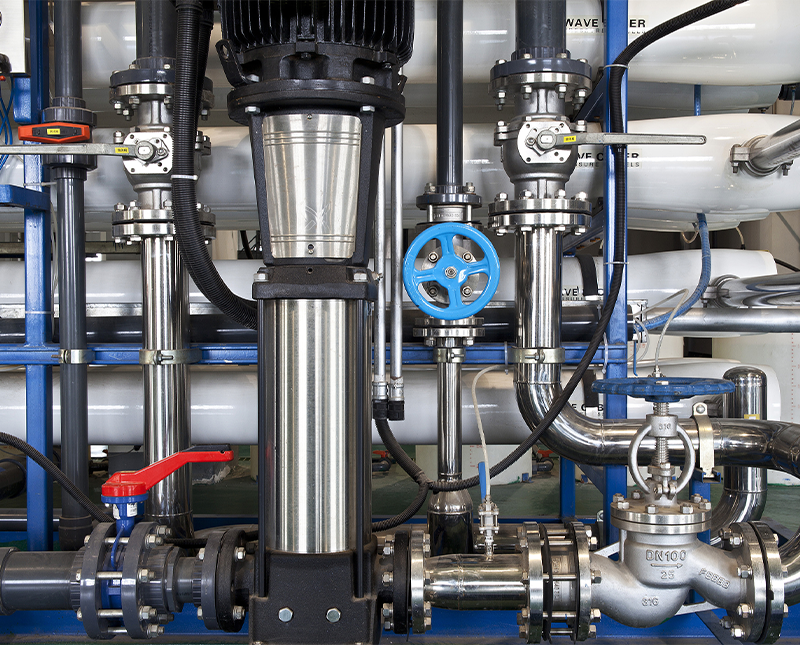
The moment chlorides, acids, seawater, or aggressive cleaning chemicals enter the picture, the calculation changes. Cast iron corrodes steadily in these environments, and that corrosion doesn't stay on the surface — it eats into wall thickness and eventually compromises the seal. Stainless steel bodies, particularly in 304 and 316 grades, shrug off the same exposure for years. Food and beverage lines, pharmaceutical systems, and coastal desalination plants almost always specify stainless for exactly this reason.
How Much Pressure and Temperature Are You Working With?
Cast iron gate valves typically top out around PN16 or ANSI Class 125/150, with service temperatures generally limited to under 120°C for standard grades. That's perfectly fine for cold and warm water systems, but it leaves no margin for steam lines, high-pressure process loops, or anything that runs hot.
Stainless steel handles a far wider envelope — from cryogenic services down to roughly -196°C up to high-temperature steam applications well above 400°C, depending on the grade and pressure class. If your system has any chance of pressure spikes, temperature cycling, or future expansion into higher-duty service, stainless gives you headroom that cast iron simply doesn't have.
Where Is the Valve Actually Installed?
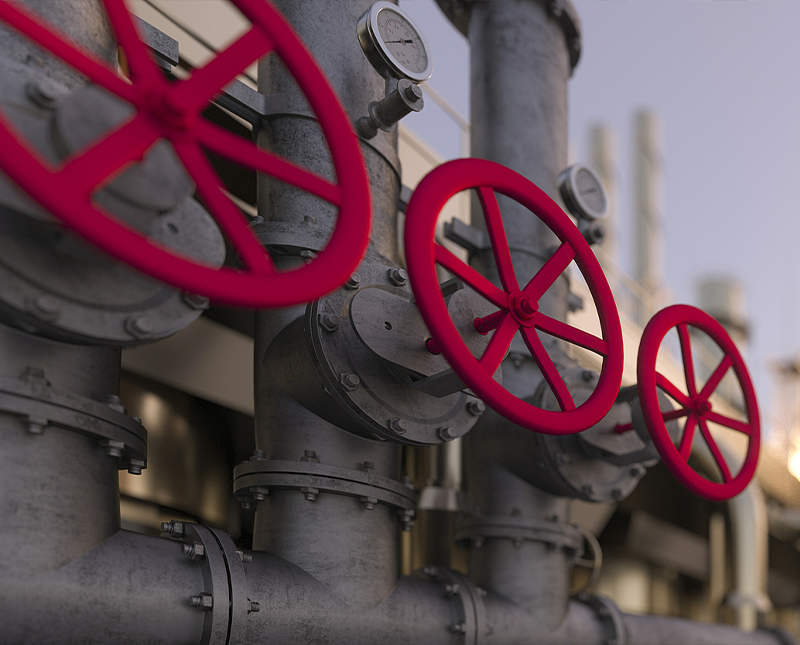
Buried valves face a different enemy than exposed ones: soil chemistry, groundwater, and decades without inspection. Cast iron, especially with proper bituminous or epoxy coatings, has a long history in underground water mains precisely because it's tough, cheap to coat, and the surrounding soil environment is relatively predictable.
Above ground, in marine air, near washdown stations, or anywhere the valve gets splashed, scrubbed, or exposed to humidity and salt, the equation flips. Stainless steel's resistance to atmospheric corrosion means no repainting cycles, no rust streaks down equipment, and no surprise pitting showing up during an audit five years later.
What Does the Budget Look Like Over Ten Years, Not Just Today?
Cast iron wins on day one almost every time — purchase prices typically run a fraction of an equivalent stainless valve. For non-critical, low-corrosion applications where that price gap matters and the operating conditions stay mild, that upfront saving is real and legitimate.
But total cost of ownership tells a different story in harsher services. A cast iron valve that needs replacing every five to seven years due to corrosion, plus the labor, downtime, and pipe disruption each swap involves, often costs more over a decade than a stainless valve installed once. The crossover point usually arrives faster than people expect once you factor in unplanned maintenance and the risk of a leak during a critical run.
Quick Decision Table
| Scenario | Better Fit |
|---|---|
| Buried municipal water main, PN10/16 | Cast Iron |
| HVAC and heating loops, low pressure | Cast Iron |
| Food, beverage, or pharmaceutical lines | Stainless Steel |
| Marine, coastal, or chemical plant exposure | Stainless Steel |
| Steam or high-temperature process lines | Stainless Steel |
| Tight budget, mild media, indoor use | Cast Iron |
If your project sits somewhere between these examples, lean toward whichever option gives you margin rather than the one that just barely meets today's specification — operating conditions tend to drift over a valve's lifetime, not stay fixed. For a deeper look at how each material behaves under different working conditions, see our full material breakdown.