 English
 Deutsch
 Indonesia



Content
- 1 Stop Valves vs. Shut Off Valves: Not the Same Thing
- 2 Carbon Steel Stop Valves: Built for Pressure, Not for Corrosion
- 3 Stainless Steel Stop Valves: Long-Term Value in Aggressive Environments
- 4 Head-to-Head: Carbon Steel vs. Stainless Steel
- 5 Actuator Type: Manual, Pneumatic, or Electric?
- 6 Common Failure Modes and Preventive Maintenance
- 7 Selection Checklist: Four Questions Before You Specify
A stop valve that corrodes in its second year costs far more than the price tag suggests — unplanned shutdowns, replacement labor, and potential safety incidents add up fast. The decision between carbon steel and stainless steel isn't about budget alone; it's about matching material properties to operating conditions. Get it right, and your stop valves and shut off valves will run reliably for decades. Get it wrong, and the consequences compound.
Stop Valves vs. Shut Off Valves: Not the Same Thing
The two terms are often used interchangeably, but they serve distinct roles in pipeline design. Stop valves are optimized for flow regulation — they provide throttling control and isolation, making them suitable for systems that require precise flow adjustment during normal operation. Shut off valves, by contrast, are designed for complete, fast closure: blocking fluid transmission instantly in emergency or safety-critical scenarios. Many shut off valves feature rapid-actuation mechanisms or integrate directly with automated control systems to enable millisecond-level response.
In practice, manual shut off valves are common in maintenance isolation, while pneumatic and electric shut off valves handle automated process control. Selecting the wrong type leads to either over-engineering costs or under-performance in the field.
Carbon Steel Stop Valves: Built for Pressure, Not for Corrosion
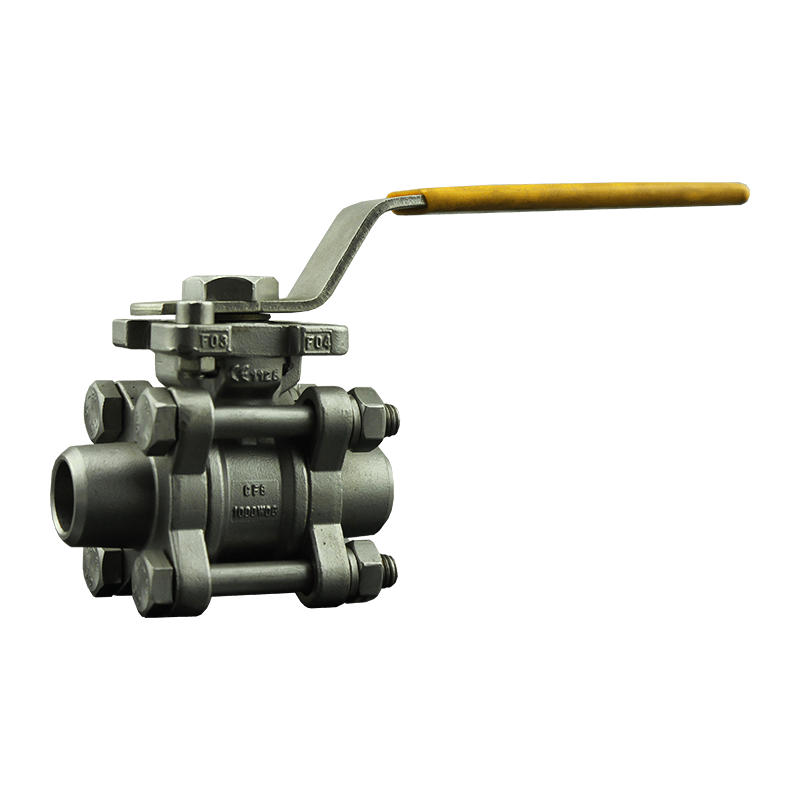
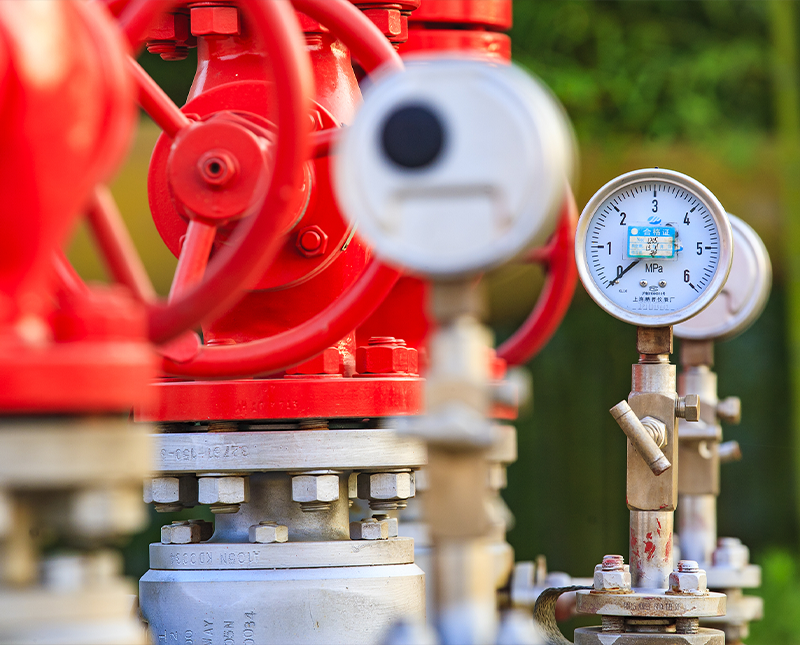
Carbon steel is the default choice for high-pressure and high-temperature pipelines. Its tensile strength outperforms most alternatives at elevated pressures, which is why it dominates petrochemical, steam distribution, and oil transmission systems. A well-specified carbon steel globe valve handles demanding thermal cycles without structural fatigue — a property stainless steel variants of the same size cannot always match.
The trade-off is corrosion susceptibility. Carbon steel requires surface protection: galvanizing, epoxy coating, or phosphate conversion layers are standard treatments depending on the exposure environment. In dry or low-humidity industrial settings, bare carbon steel performs well. In moisture-rich or chemically active environments, proper coating is non-negotiable. Budget for maintenance cycles accordingly — higher inspection frequency is the cost of using this otherwise economical material.
Stainless Steel Stop Valves: Long-Term Value in Aggressive Environments
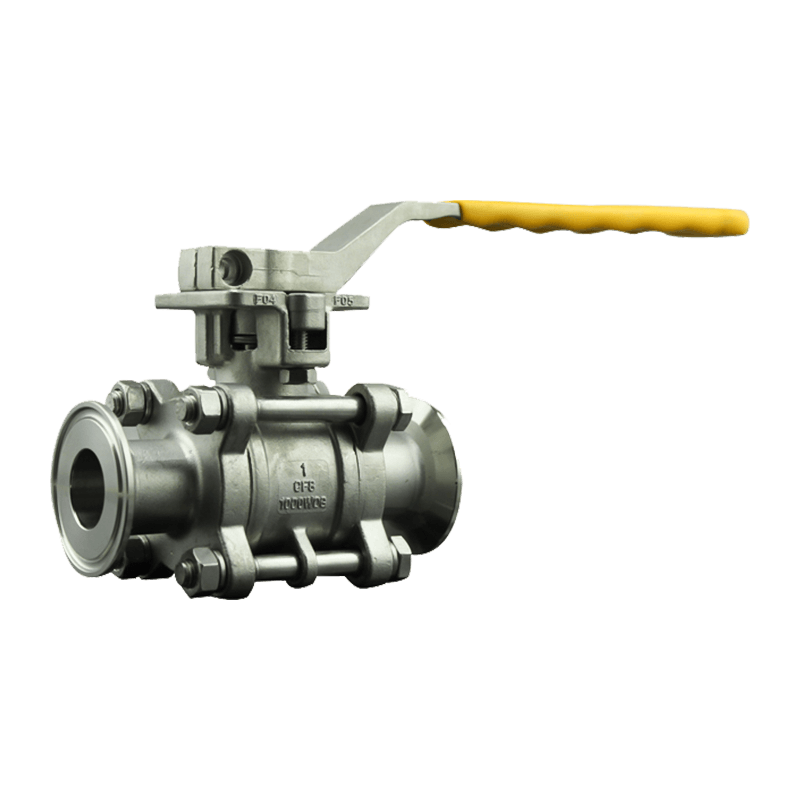
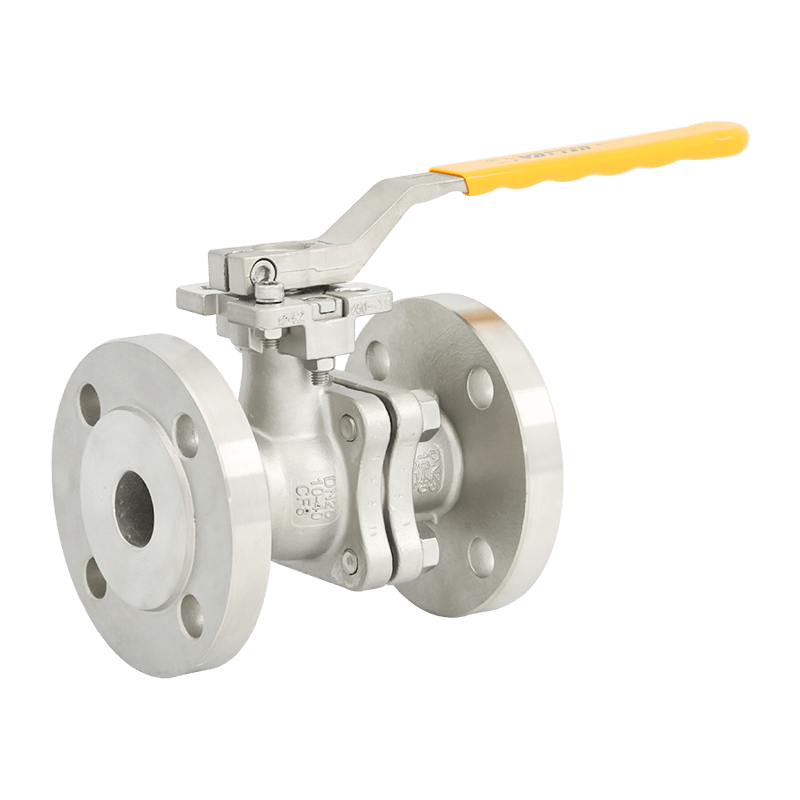
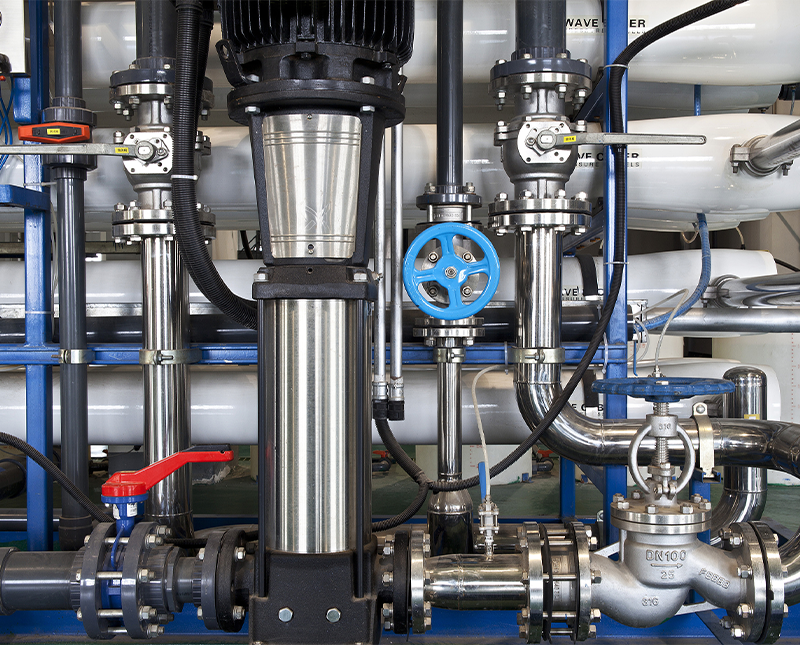
Stainless steel stop valves outperform carbon steel wherever corrosion is the primary threat — acid lines, alkali systems, saline process fluids, coastal installations, and food-grade or pharmaceutical pipelines all fall into this category. Grades 304 and 316 are the most common. Grade 316 adds molybdenum, which provides meaningful protection against chloride-induced pitting; for anything exposed to seawater or chlorinated cleaning agents, 316 is the minimum specification.
The key practical advantage is reduced maintenance frequency. Stainless steel maintains its sealing surface integrity even after thousands of operating cycles in aggressive conditions, whereas carbon steel valves in similar environments require far more frequent inspection, recoating, and seat replacement. The higher initial investment in a stainless steel shut off valve often recovers within two to three years when total cost of ownership — including downtime — is accounted for.
Head-to-Head: Carbon Steel vs. Stainless Steel
| Feature | Carbon Steel Stop Valve | Stainless Steel Stop Valve |
|---|---|---|
| Pressure Resistance | Excellent — suited for high-pressure lines | Good — temperature range limits apply |
| Corrosion Resistance | Moderate — requires protective coating | Outstanding — handles acids, alkalis, salts |
| Maintenance Frequency | Higher — rust prevention intervals | Lower — surface degrades slowly |
| Initial Cost | Economical | Higher upfront investment |
| Best Applications | Petrochemical, steam, oil pipelines | Food, pharma, chemical, coastal installations |
Actuator Type: Manual, Pneumatic, or Electric?
Material selection is only half the decision. Actuator type determines how the valve integrates into your system's control architecture. Manual valves make sense for infrequent isolation points — maintenance bypasses, drain lines, and sampling ports. Pneumatic actuators are fast and reliable in environments with established compressed air infrastructure, and they fail-safe predictably when air supply is lost. Electric actuators offer precision positioning and direct integration with SCADA and DCS systems, making them the standard choice for fully automated processes.
A electric carbon steel shut off valve combines the pressure resistance of carbon steel with smart control capability — suitable for high-pressure automated systems. For corrosive-media automation, an electric stainless steel shut off valve provides both material durability and remote operability.
Common Failure Modes and Preventive Maintenance
Most stop valve failures are predictable and preventable. Seat wear occurs in valves throttled repeatedly at partial-open positions — this is a misapplication issue as much as a maintenance one. Stop valves should operate fully open or fully closed; partial-open operation accelerates erosion. Packing leakage around the stem is the second most common failure and is addressed with routine lubrication and timely packing replacement. Corrosion pitting on the sealing surfaces is the dominant failure mode in improperly specified materials.
- Replace damaged seals promptly — internal leakage compounds under pressure and accelerates seat erosion.
- Lubricate stem threads regularly; dry stems cause galling that eventually makes the valve inoperable.
- Avoid overtightening the handwheel — excess force deforms soft seats and cracks hard ones.
- Schedule pressure testing after 12–18 months of service in high-cycle applications.
- Inspect bonnet-to-body connections for micro-corrosion, especially on carbon steel valves in humid environments.
Selection Checklist: Four Questions Before You Specify
Getting to the right valve specification doesn't require extensive engineering analysis for most applications. Four questions cover the majority of cases: (1) What is the operating pressure and temperature range? High-pressure steam or oil service points toward carbon steel. (2) What is the medium — is it corrosive? Acids, alkalis, saline solutions, or food-grade fluids require stainless steel. (3) How frequently will the valve cycle? High-cycle applications need robust seating materials and accessible maintenance pathways. (4) Is automated control required? If yes, specify the actuator type alongside the body material from the outset — retrofit actuator installations on manual valves introduce leak points and alignment issues.
The full range of manual, pneumatic, and electric shut off valves in both carbon steel and stainless steel covers virtually every combination of these requirements. Match the specification to the operating reality, and the valve becomes a long-term asset rather than a recurring maintenance liability.