 English
 Deutsch
 Indonesia


Content
Ask any maintenance engineer who has opened a failed control valve, and the first thing they point at is the valve body — the metal casing that holds the whole assembly together. That instinct is correct. The valve body is the pressure boundary, the structural anchor, and the single most expensive part to repair or replace. If it fails, the line stops. If it is selected incorrectly at the beginning, no actuator upgrade or seat replacement can compensate.
Before going further, a quick clarification. The term "valve body" means different things in different industries. In automotive transmission repair, it means the hydraulic control block inside an automatic gearbox. In industrial fluid handling, it means the main pressure-containing shell of a valve: the part that connects to the pipe and houses the closure element. This article is about the industrial meaning — the one that governs piping codes, material certificates, and plant safety audits.
What a Valve Body Actually Does
The conclusion first: a valve body exists to contain pressure safely, direct the flow path, carry the end connections, and support the internal closure member along with its actuating interface. Every other valve component works inside or around this shell.
- Pressure containment: wall thickness and material together determine the pressure–temperature rating of the valve.
- Flow routing: the body cavity shape defines the flow coefficient and therefore the pressure drop through the valve.
- Pipe interface: flanged, threaded, welded, lug, wafer, or clamp connections tie the body into the pipeline.
- Trim support and actuation: the body seats the trim parts and carries the bonnet or mounting pad for hand, pneumatic, or electric operation.
Because the body is the heaviest and longest-lived component of a valve, material and design decisions made here are effectively lifetime decisions. Replacing a valve body means replacing the whole valve, and usually with line downtime attached.
Valve Body Materials: Start with the Service, Not the Price
Start with the process medium, not the catalogue price. A body made from the wrong material will eventually leak, contaminate the product, or rupture under thermal or chemical stress. Each material family has a clear zone of application, and staying inside that zone is the entire game.
Carbon Steel vs. Stainless Steel
For water, air, steam, oils, and most hydrocarbons, cast carbon steel — typically WCB — is the workhorse. It offers a wide temperature range, good strength, and predictable performance at moderate cost. Stainless steel bodies, usually CF8 or CF8M equivalents of 304 and 316, add corrosion resistance for chemical media, food and pharmaceutical processes, and marine environments.
The difference is rarely about the purchase price. It is about the cost of corrosion over the asset lifecycle: pitting in chlorides, intergranular attack after welding, or product contamination in hygienic lines. When the process is aggressive, a flanged stainless body with adequate corrosion allowance is the safe baseline.
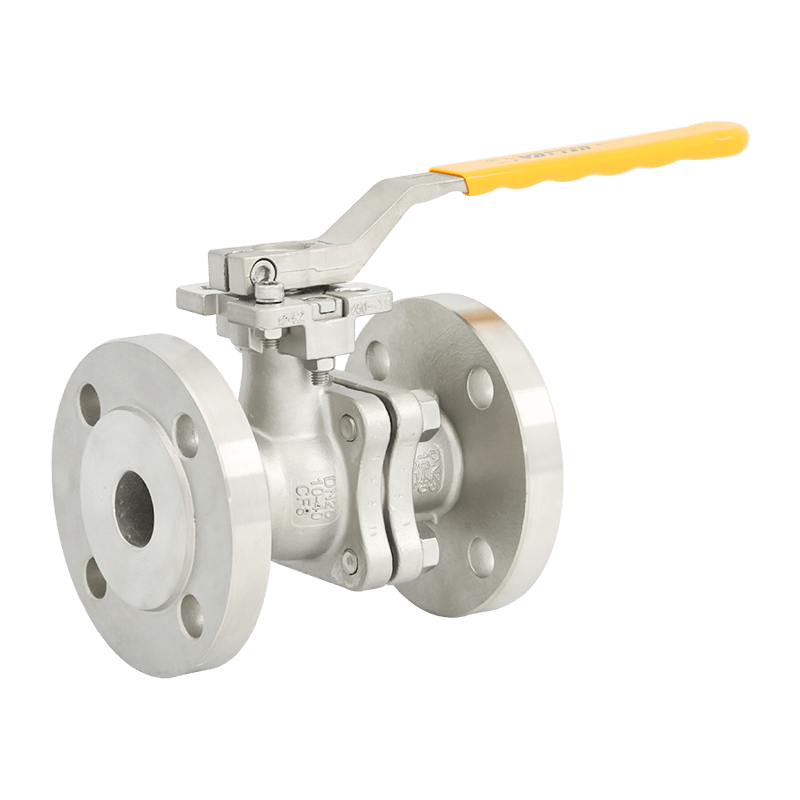 Manual Two-Way Flanged Ball Valve with PTFE PackingThis flanged ball valve provides a robust, low-emission design with anti-blowout stem and PTFE packing. It suits aggressive processes where corrosion resistance and lifecycle cost matter, as discussed in the surrounding comparison of carbon steel versus stainless steel.View Product →
If you are weighing carbon steel against stainless steel, the questions that matter are the same ones covered in our guide to carbon steel versus stainless steel stop valves: chloride concentration, maximum and minimum temperature, and how often the line will be opened for inspection.
Corrosion-Resistant and Hygienic Bodies
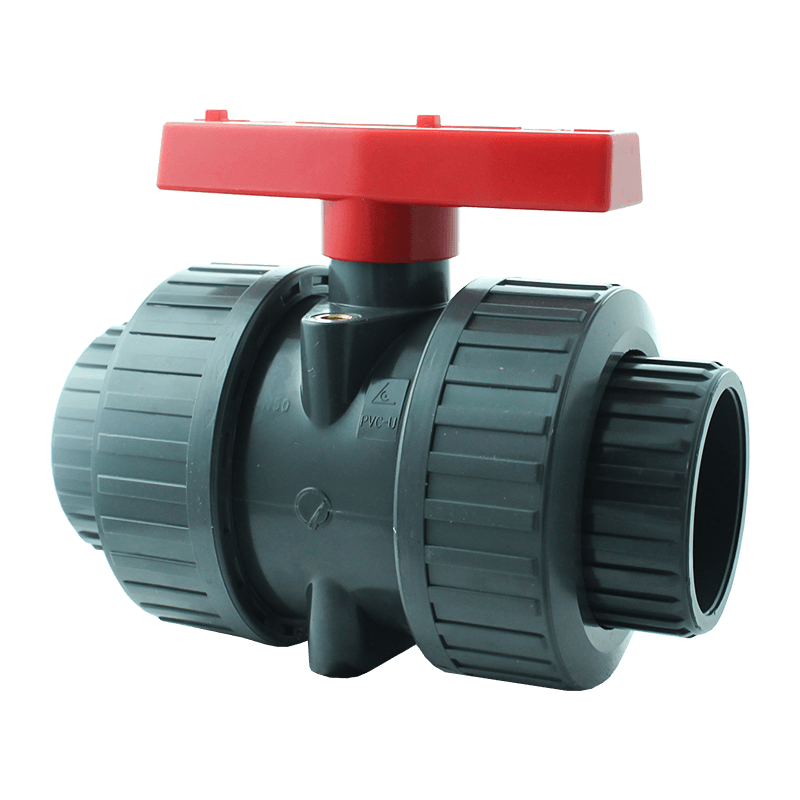
When the medium is a strong acid, caustic, or solvent, even stainless steel is not enough. PTFE-lined bodies protect the metal shell by fully isolating it from the process. These are common in chemical transfer, dosing, and pickling lines where a leak would be a safety event. For lighter service, PVC bodies offer a low-cost non-metallic alternative at lower temperatures and pressures.
For automated chemical dosing circuits, a pneumatic PTFE-lined flanged ball valve keeps the aggressive medium away from the body metal while still providing the tight shutoff a control loop requires.
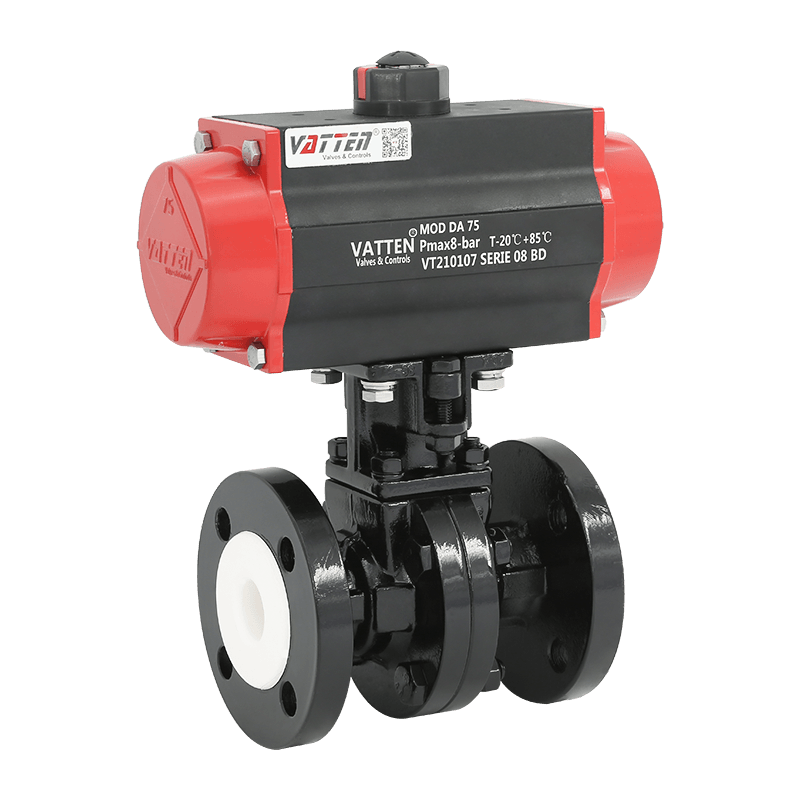 Pneumatic Fluorine-Lined Flanged Ball Valve with PTFE Body LiningThis pneumatically actuated ball valve features a fully PTFE-lined body that isolates harmful acid and alkali media, with a temperature tolerance up to 180°C. It fits automated chemical dosing circuits that need tight shutoff and corrosion protection.View Product →
Abrasion-Resistant Bodies for Slurry and Powder
Slurries, ore concentrates, ash, and dry powders wear through standard bodies from the inside. The failure mode is less obvious than corrosion: erosion of the flow path enlarges the bore, destroys the seat area, and eventually breaches the wall. For this service, hard-seated bodies with ceramic liners or hardened internal surfaces are the norm rather than the exception.
Ceramic-lined bodies handle solid-particle slurries with dramatically longer life than a standard metal cavity. The trade-off is brittleness under mechanical shock, so the piping design must avoid water hammer and severe thermal cycling. Field data from ceramic-lined bodies in solid-particle slurry service shows that the higher body cost pays back through fewer shutdowns; the same cases are documented in our engineering article on ceramic-lined valves for solid-particle slurry lines.
| Material | Typical grade | Strengths | Typical service |
|---|---|---|---|
| Carbon steel | WCB | Strength, wide temperature range | Water, steam, oil, gas |
| Stainless steel | CF8 / CF8M | Corrosion resistance, cleanability | Chemical, food, pharmaceutical |
| PTFE-lined metal | Steel shell, PTFE lining | Broad chemical compatibility | Strong acids, solvents |
| PVC | uPVC / CPVC | Low cost, non-metallic | Light chemicals, water treatment |
| Ceramic-lined | Alumina or zirconia lining | Extreme wear resistance | Slurry, ore, ash, powders |
Body Styles and End Connections Change Your Maintenance Plan
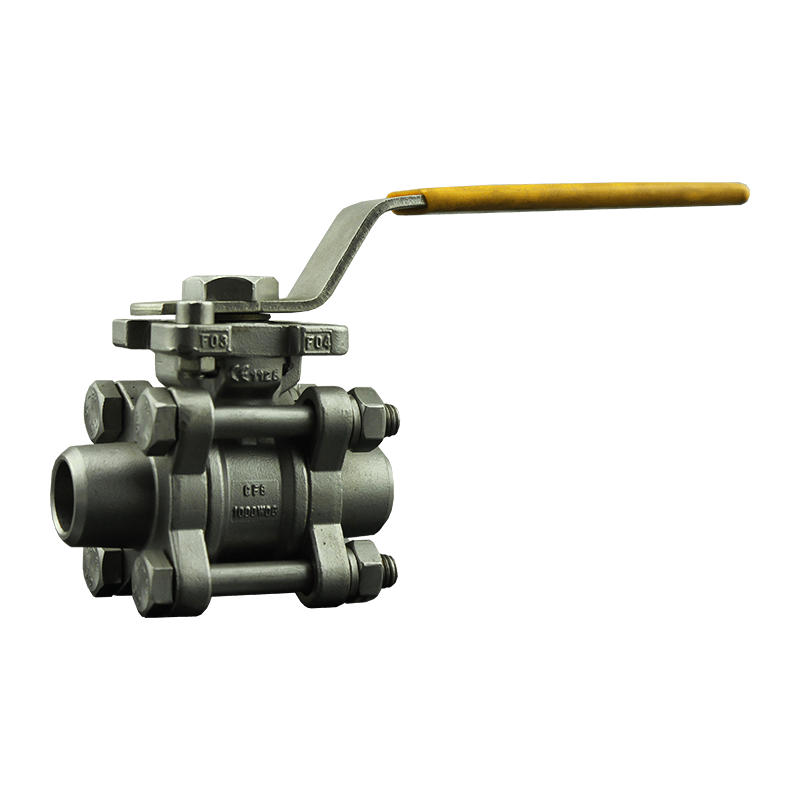
Body style is a maintenance decision as much as a piping decision. A flanged body can be unbolted for service. A welded body becomes a permanent part of the pipeline. A threaded body suits small instrumentation lines. A wafer body slips between two flanges, and a lug body adds threaded inserts for one-side isolation.
Wafer and Lug Bodies
Wafer-type butterfly valve bodies are compact and the most cost-effective option in large line sizes. They rely on the two mating flanges to hold them in place, so installation is fast but removal requires depressurizing both sides. Lug-type bodies add threaded inserts at the bolt holes, allowing the valve to be removed while one side of the line stays in service.
For utility and process lines that need compact automated isolation, a pneumatic wafer butterfly valve with a properly machined body is the standard solution.
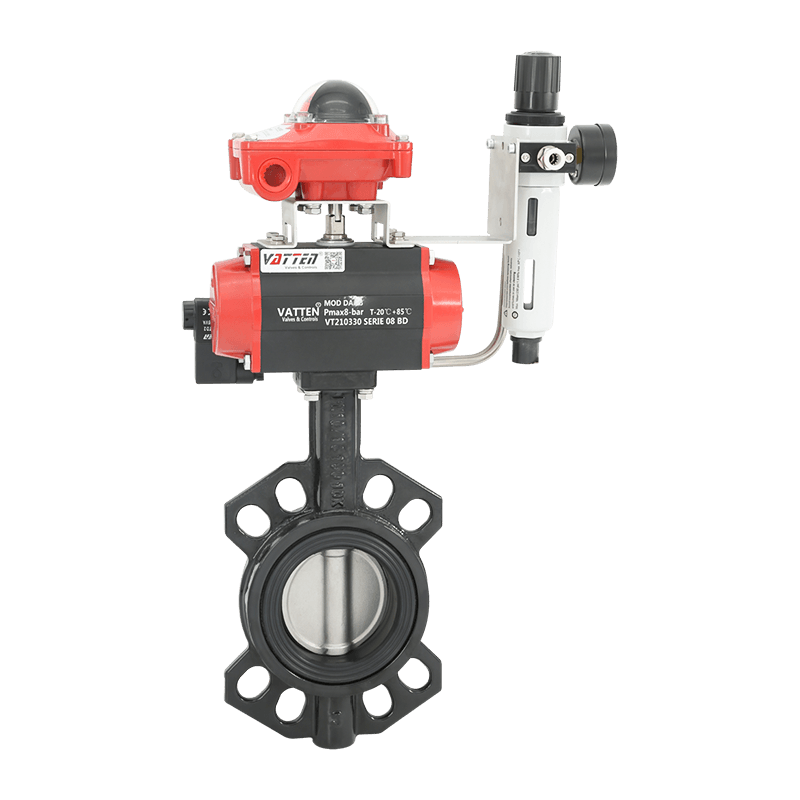 Pneumatic Wafer Butterfly Valve with Optional Sealing MaterialsThis compact wafer butterfly valve offers a self-developed pneumatic actuator and interchangeable soft or hard seats, with sealing materials chosen for temperature extremes. It is ideal for utility and process lines needing automated isolation with minimal footprint.View Product →
Flanged Bodies
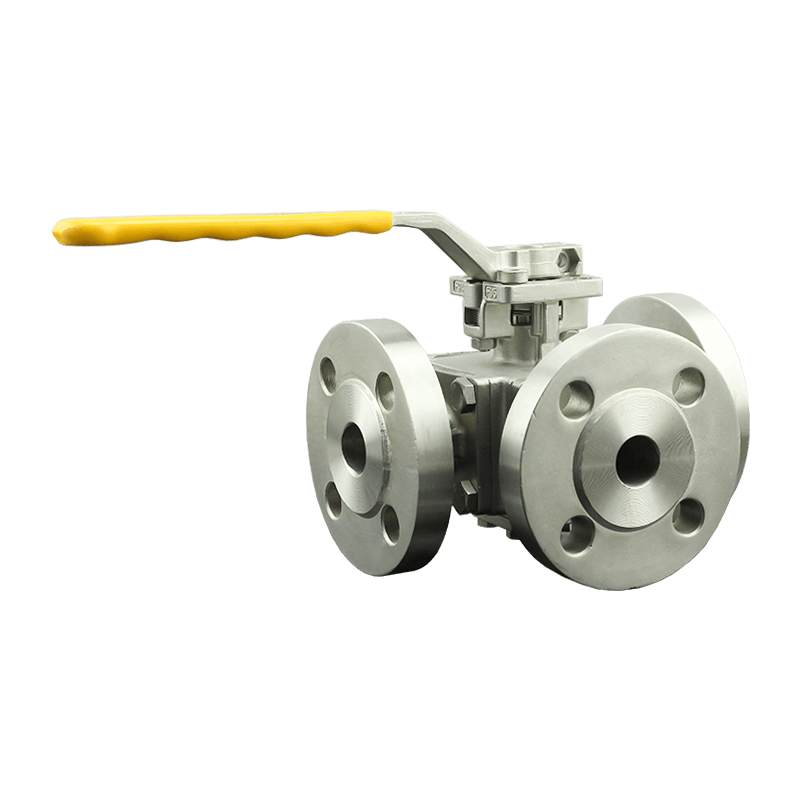
Flanged bodies dominate ball, globe, and gate valves from DN15 to DN600 and above. They tolerate repeated disassembly, accept standard gaskets and bolting, and simplify alignment of the actuator with the pipeline. The cost penalty is weight and footprint, but the maintenance benefit is usually worth it.
Threaded and Clamp Bodies
Threaded bodies are common on small-bore ball and needle valves in instrument air and sampling systems. Two risks deserve attention: thread galling in stainless steel, and the need for a sealant rated for the process temperature.
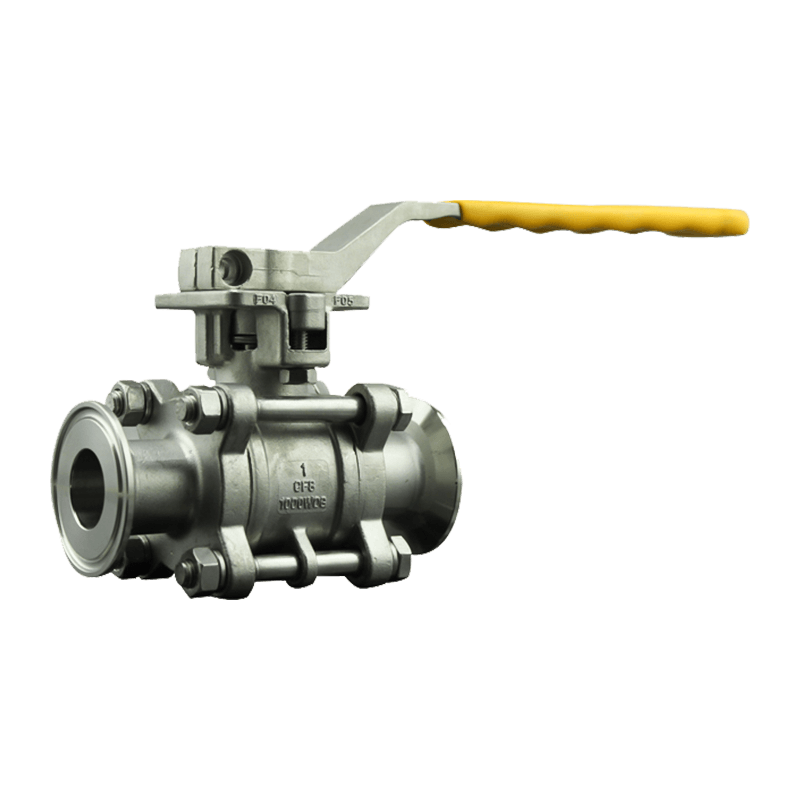
Clamp (sanitary) bodies are used in food, beverage, and biopharmaceutical lines where the valve must be opened for cleaning and sterilization between batches. The body is designed with smooth surfaces and no dead legs, so it drains fully and resists bacterial growth.
Quality Risks Hidden Inside the Casting
Here is what nobody tells you at the quotation stage: casting quality is where cost cuts hide. A valve body can pass a visual check and still contain shrinkage porosity, inclusions, or thin wall sections that fail after a few thermal cycles. When the failure happens, it is not covered by a cosmetic warranty.
For any valve that will be welded into a critical line or operated at high pressure, insist on these checks before acceptance:
- Hydrostatic and, where applicable, pneumatic pressure tests according to the relevant standard.
- Material certificate with a traceable heat number, not just a generic "stainless" label.
- Wall thickness verification with an ultrasonic gauge, especially at the neck and seat areas.
- Positive material identification (PMI) for alloy bodies, confirming the actual grade.
- Surface and radiographic inspection for cast bodies in high-pressure or cyclic service.
The extra minutes spent verifying a body are negligible compared with the cost of draining a line, removing lagging, cutting out a valve, and re-welding a replacement.
Designing the Valve Body for Automation
An automated valve is more than a body with a cylinder bolted on top. The body geometry has to be machined to carry the actuator load without distortion, especially for pneumatic actuators that generate high thrust. ISO 5211 mounting pads, correctly sized stems and keyways, and a proper bonnet seal are what turn a good casting into a reliable automated valve.
For electric actuation, the body also needs sufficiently rigid flanges and a stable mounting plane so the motor torque does not fatigue the stem connection over thousands of cycles. This is why suppliers treat the body and the actuator as one system rather than two catalogue items. The same casting that works for a manual valve is not necessarily acceptable for automated service.
The final rule is simple: specify the body material from the process, choose the body style from the maintenance plan, and demand the certificates before the valve goes into the line. The price premium of a properly selected valve body is tiny compared with the cost of stopping a plant to replace it. Start there, and the rest of the valve becomes a routine engineering choice.