 English
 Deutsch
 Indonesia


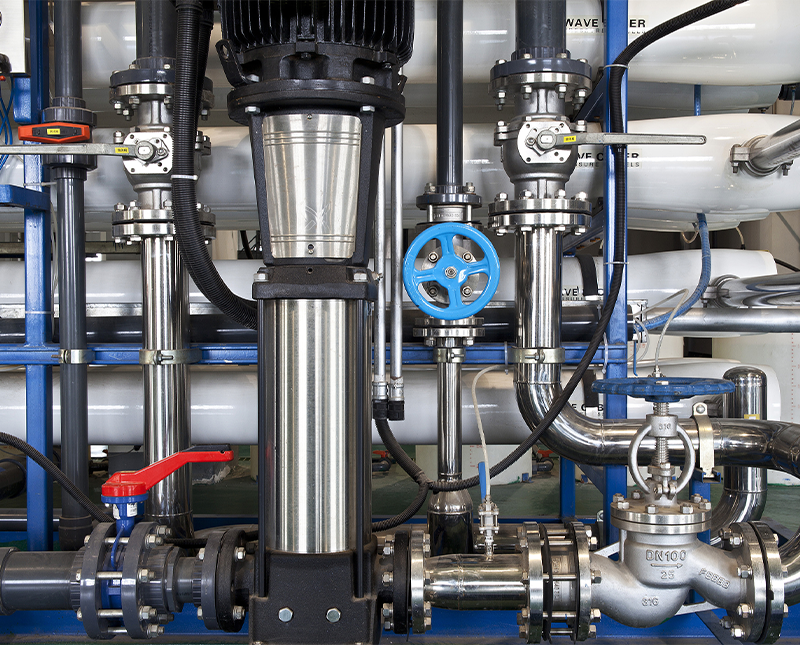
Flat welded flanges and butt welded flanges are two common types of flanges in our daily work. Today, we will conduct a comparative analysis of flat flanges and butt welded flanges from four aspects: material, nominal pressure, weld form, and application scenarios.
Main Differences
Flat flanges have a simple structure and are connected through fillet welds, while butt welded flanges have a more complex structure and are connected via butt welds. This fundamental difference determines their variations in strength, reliability, suitability for specific working conditions, and cost.
1.Material
Flat Flange:
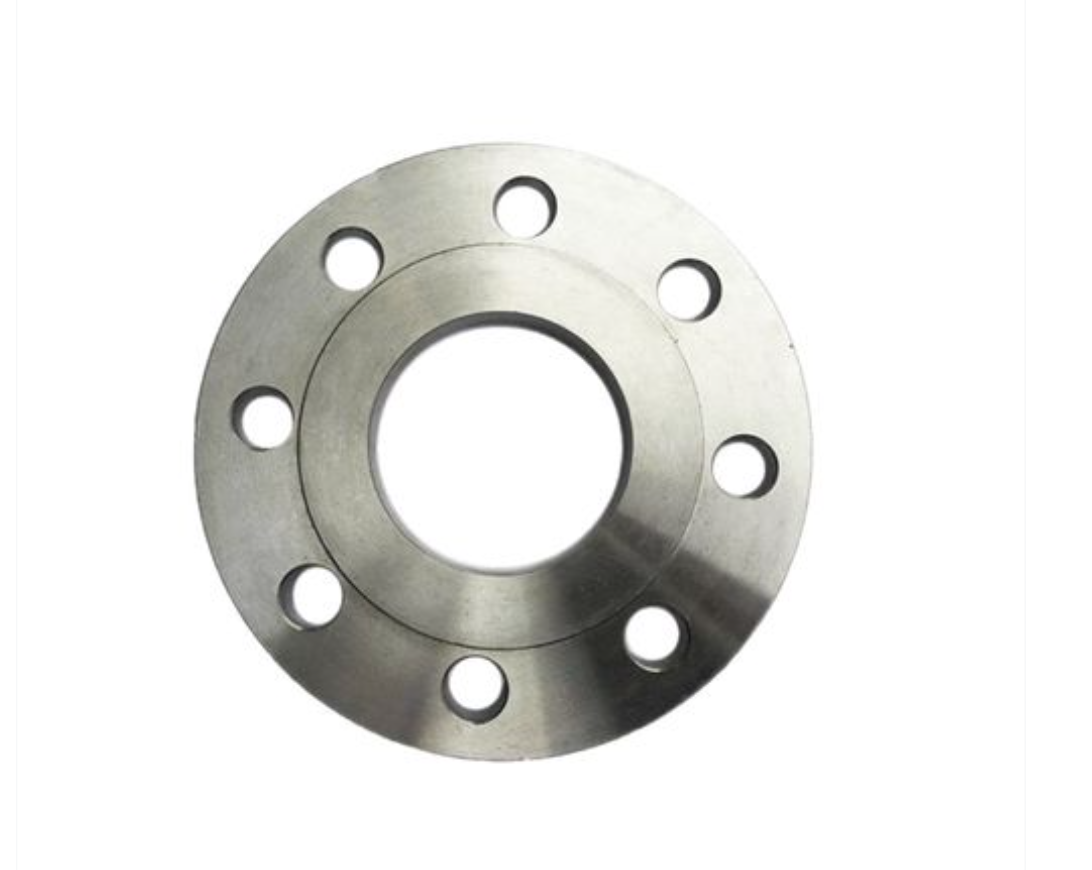
The range of optional materials is extensive and largely similar to that of butt welded flanges. Common materials include carbon steel (A105), stainless steel (304, 316), and alloy steel.As they are often used in medium-to-low pressure and non-demanding working conditions, the requirements for the extreme performance of the materials themselves are relatively low.
Butt Welded Flange:
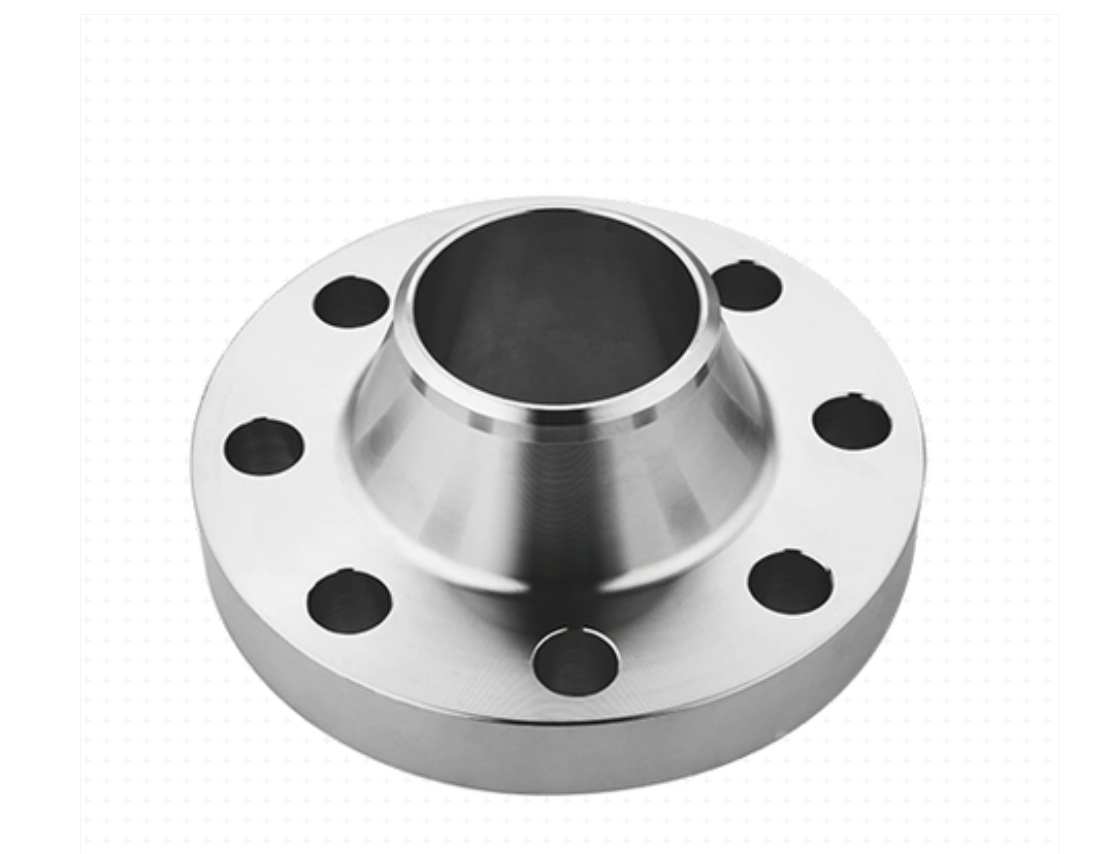
The range of optional materials is similarly extensive.
The key point lies in compatibility: in high-pressure, high-temperature, or corrosive environments, the flange material must precisely match the pipeline material (including chemical composition, mechanical properties, and heat treatment conditions) to ensure the integrity of the joint and consistent performance under service conditions. For instance, in high-temperature and high-pressure pipelines, alloy steel materials such as P91 and F22 are often used.
Summary: The two are similar in terms of material selection, but butt welded flanges place greater emphasis on precise compatibility with pipeline materials and higher performance requirements.
2.Nominal Pressure
This is one of the most obvious indicators of the application of the two.
Flat Flange:
It is primarily suitable for medium to low-pressure ranges, typically covering the PN series (GB standards): PN6, PN10, PN16, PN25, PN40, as well as the Class series (ASME standards): Class 150, Class 300. It is less commonly used in ratings above Class 300 and is not recommended for higher pressure classes.Due to its fillet weld structure and stress concentration, its pressure-bearing capacity has a clearly defined upper limit.
Butt Welded Flange:
It is suitable for the full range from low pressure to ultra-high pressure.From PN10 to PN420, and from Class 150 to Class 2500 or even higher, butt welded flanges can be used. Their necked structure and butt welds effectively distribute and withstand stress, making them a standard configuration for high-pressure and high-temperature systems.
Summary: Flat flanges are an economical solution for medium-to-low pressure applications, whereas butt welded flanges are the only reliable choice for high-pressure and ultra-high pressure conditions.
3.Weld Form
This represents the most fundamental difference between the two in terms of structure and manufacturing, directly determining the connection strength and reliability.
Flat Flange:
Weld Form: Fillet Weld
Connection Method: The pipe is inserted into the flange bore, and welding is performed between the outer wall of the pipe and the flange face (external fillet weld). An additional internal sealing fillet weld (inner fillet weld) may also be applied.
Disadvantages:
- Stress Concentration: The geometric shape of the fillet weld leads to high stress concentration at the root, making it prone to becoming the origin of fatigue cracks.
- Difficulty in Inspection: Internal welds are challenging to inspect effectively using methods such as radiography (RT) or ultrasonic testing (UT). Weld quality primarily relies on welding procedures and visual inspection.
- Strength Mismatch: The throat thickness of the weld is typically less than the wall thickness of the pipe.
Butt Welded Flange:
Weld Form: Butt Weld
Connection Method: The flange end is machined with a groove matching the pipe. The pipe and flange groove are precisely aligned and then welded. The weld essentially acts as an extension of the pipe wall thickness.
Advantages:
- Excellent Stress Distribution: The weld provides a smooth transition, resulting in an extremely low stress concentration factor and high fatigue strength.
- Ease of Non-Destructive Testing: Butt welds can undergo 100% radiographic testing (RT) to ensure internal defect-free quality, meeting high-standard safety requirements.
- Equal Strength: The strength of the weld can theoretically achieve parity with the base metal of the pipe.
Summary: Fillet weld versus butt weld represents the distinction between "connection" and "fusion." The latter holds an overwhelming advantage in structural integrity and inspectability.
4.Application
Based on the above differences, the application of the two is naturally differentiated.
Flat Flange:
- Low-pressure utility systems: Plant circulating water systems, low-pressure compressed air systems, low-pressure cooling water pipelines.
- Non-hazardous media: Domestic water, air-conditioning water, low-pressure lubricating oil pipelines.
- Space-constrained installations: Due to their shorter structure, they can be used in compact spaces.
- Cost-sensitive non-critical systems: Selected for cost-saving purposes in scenarios with extremely low safety risks and stable pressure and temperature conditions.
Butt Welded Flange:
- High-temperature and high-pressure steam pipelines (e.g., main steam lines in power plants).
- Flammable and explosive media (e.g., petroleum, natural gas, hydrogen, hydrocarbon pipelines).
- Toxic and hazardous media (e.g., chlorine, ammonia, toxic chemicals).
- Pipelines handling extremely or highly hazardous substances.
- High-risk and demanding operating conditions.
- Pipelines subject to significant operational fluctuations: Those experiencing thermal cycling, pressure pulsations, mechanical vibrations, or prone to water hammer.
- All high-design-class process pipelines: Standard configurations in core installations such as chemical plants, petrochemical facilities, nuclear power plants, and long-distance oil and gas transmission pipelines.
5.Summary and Quick Reference Table for Model Selection
| Comparison Dimension | Flat Flange | Butt Welded Flange |
| Core Structure | Flat plate style, with load-bearing face | With tapered neck |
| Weld Form | Fillet weld (internal/external fillet) | Butt weld (groove weld) |
| Weld Inspection | Difficult, challenging for RT/UT | Easy, suitable for 100% RT/UT inspection |
| Nominal Pressure | Medium-Low Pressure (Typically ≤ PN40/Class 30) | Full Pressure Range (Low to Ultra-High Pressure) |
| Stress Characteristics | Significant stress concentration, poor fatigue resistance | Smooth stress transition, good fatigue resistance |
| Main Materials | Carbon steel, stainless steel, etc. (General purpose) | Carbon steel, stainless steel, alloy steel, etc. (Must match piping) |
| Typical Applications | Low-pressure water, air, non-hazardous systems | High-temperature, high-pressure, hazardous, vibrating, critical process lines |
| Initial Cost | Lower | Higher |
| Total Lifecycle Cost | Higher maintenance risk in severe service | High reliability in critical systems, more favorable overall cost |
6.Final Selection Recommendation of VATTEN Valve
In engineering design or self-managed fabrication and installation, especially when adhering to standards such as ASME or GB, the selection is typically not arbitrary. The codes and standards directly specify scenarios where butt welded flanges must be used based on factors such as the fluid category, design pressure, and temperature of the pipeline. In simple terms: when in doubt, under demanding conditions, or in safety-critical applications, butt welded flanges should be prioritized. Flat flanges are considered only for clearly defined low-risk, low-pressure, and stable operating conditions, primarily for cost-saving purposes.