 English
 Deutsch
 Indonesia


Content
- 1 Why Stainless Steel Ball Valves Dominate Process Shutoff
- 2 304 vs 316: Choosing the Right Stainless Steel Grade
- 3 Body Styles and End Connections
- 4 Seats, Seals and Trim: Matching the Internal Design to the Service
- 5 Manual, Pneumatic or Electric Actuation
- 6 A Practical Selection Checklist for Stainless Steel Ball Valves
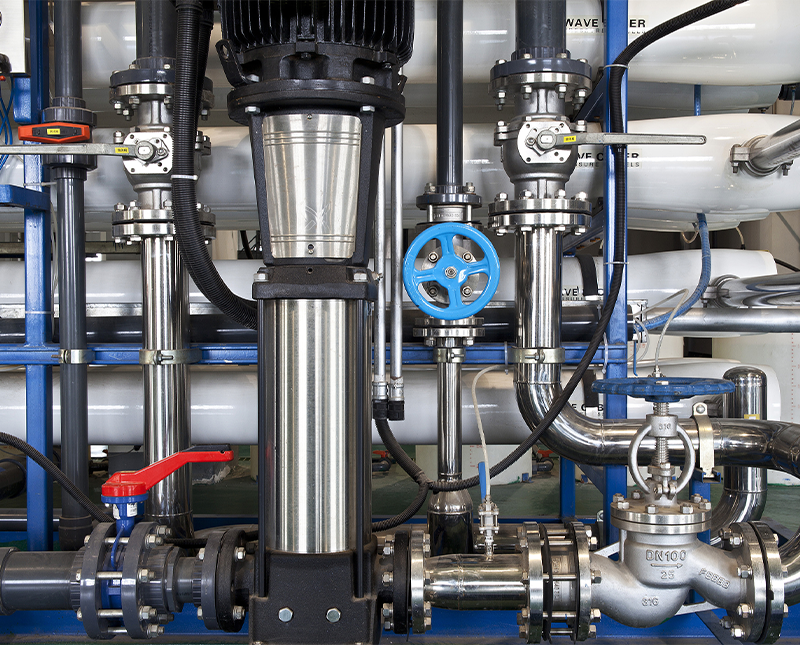
A water treatment plant in a coastal region was replacing carbon steel ball valves every twelve months. Chlorinated water was pitting the bodies and corroding the seats. The engineering team switched to 316 stainless steel ball valves, and the same valves passed three consecutive annual inspections without repair. That experience is not exceptional. It explains why stainless steel ball valves are the default isolation valves in water treatment, chemical, food and pharmaceutical plants. Get the material, seat and actuation right, and a stainless steel ball valve can serve for decades.
Why Stainless Steel Ball Valves Dominate Process Shutoff
Stainless steel ball valves win because they combine four properties that rarely appear together. The body resists corrosion in wet and mildly aggressive media. The quarter-turn design gives fast, simple operation. The ball-and-seat geometry provides reliable, bubble-tight shutoff. And the complete package is cost-effective over the equipment lifetime, not just at purchase.
Inside a ball valve, a machined ball with a cylindrical bore rotates 90 degrees between open and closed positions. In the open position, the bore aligns with the flow path, and a full-bore design leaves no restriction, so pressure drop is negligible. In the closed position, the solid part of the ball presses against a seat ring to shut off flow completely.
The stainless steel body earns its keep through chromium. The alloy forms a thin, invisible chromium oxide film on its surface. If the surface is scratched or damaged in service, the film re-forms as long as oxygen is present. This self-healing property is what separates stainless steel from cast iron or carbon steel in chlorinated water, humid air, washdown environments and chemical services. The industrial ball valve range from Vatten covers manual, pneumatic and electric configurations for these services.
304 vs 316: Choosing the Right Stainless Steel Grade
The first material decision comes down to 304 or 316 stainless steel. The rule is short. Choose CF8M/316 for any service with chlorides, including seawater, brine, bleach or cooling water with significant chloride content. Choose CF8/304 for clean water, neutral fluids, dry gases and general indoor service.
The practical difference is molybdenum. Grade 316 contains 2 to 3 percent molybdenum, which increases resistance to pitting and crevice corrosion. Chloride ions attack the passive layer, and once local breakdown starts, pits grow quickly in 304. The margin matters most at elevated temperatures, in stagnant conditions, or where the fluid is intermittently wet and dry.
| Property | 304 (CF8) | 316 (CF8M) |
|---|---|---|
| Nickel and molybdenum | 8 to 11% nickel, no molybdenum | 10 to 14% nickel, 2 to 3% molybdenum |
| Pitting resistance | Good in neutral, clean media | Better in chloride media |
| Typical chloride limit | Around 200 ppm in water | Around 1000 ppm in water |
| Common services | Water, air, neutral fluids | Seawater, brine, weak acids |
| Relative cost | Lower | Higher |
Do not rely on the grade name alone. Pressure ratings, seat materials and manufacturing quality also determine real performance. For a more detailed breakdown of alloy selection, read our guide to 304 vs 316 stainless steel ball valve body selection.
Body Styles and End Connections
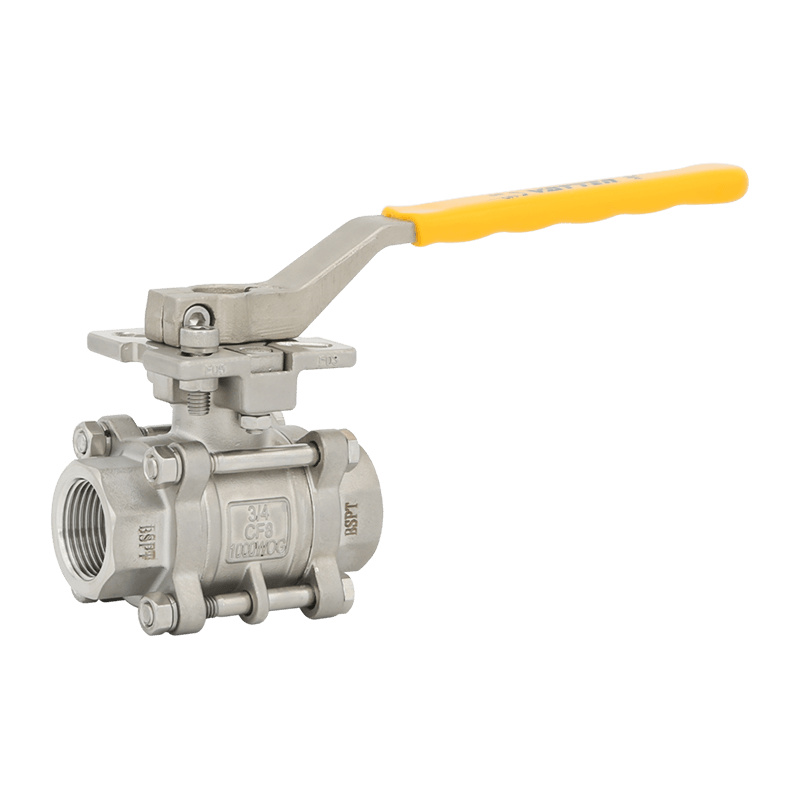
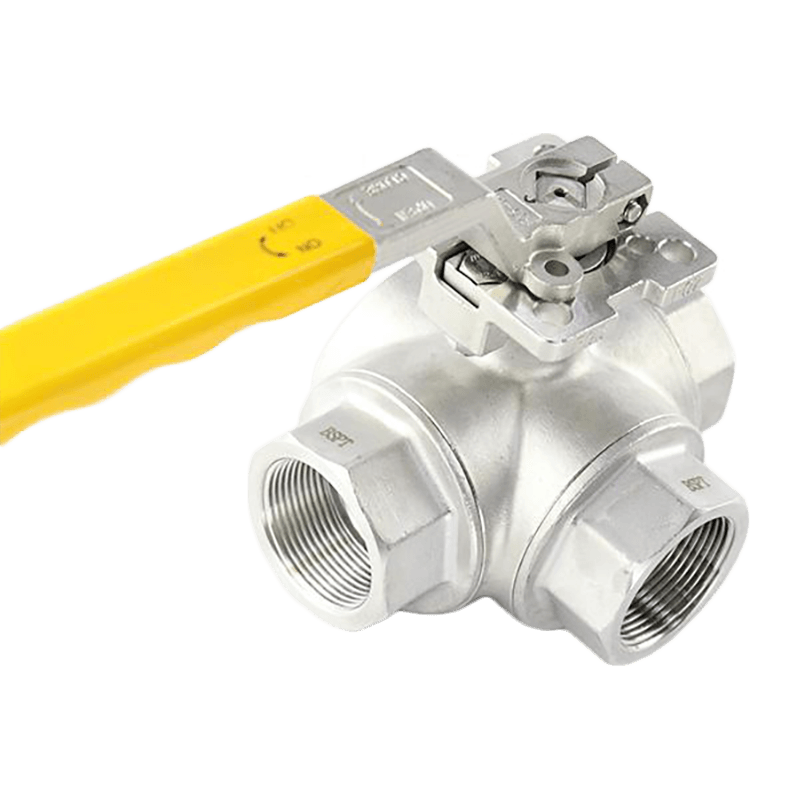
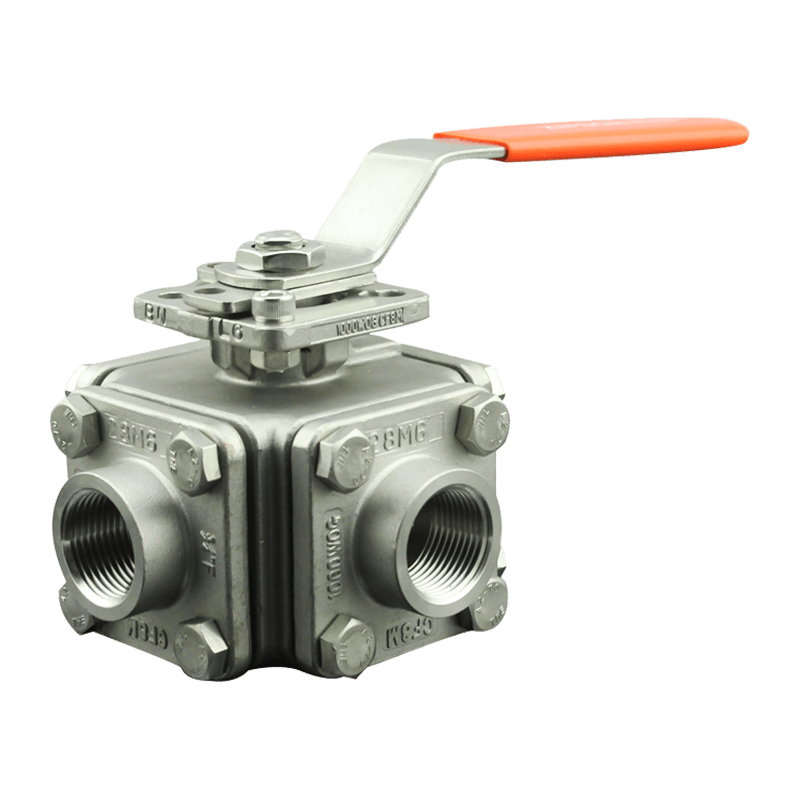
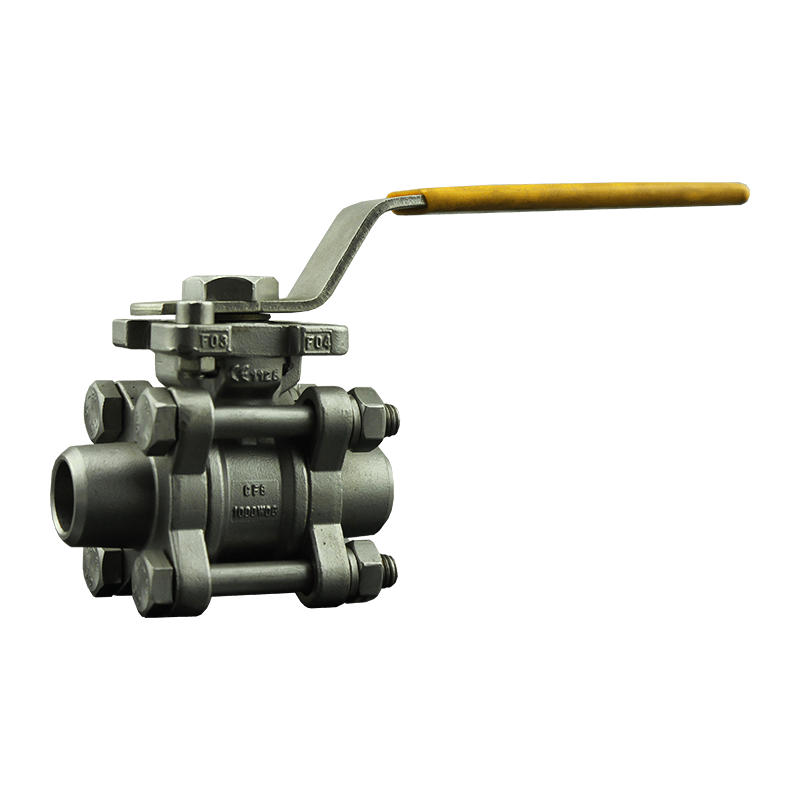
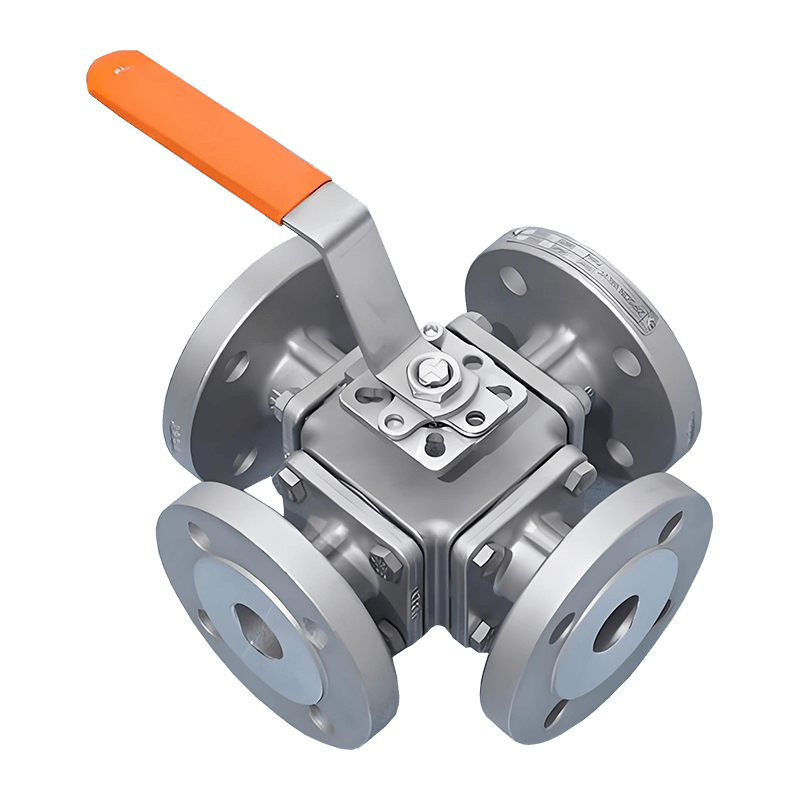
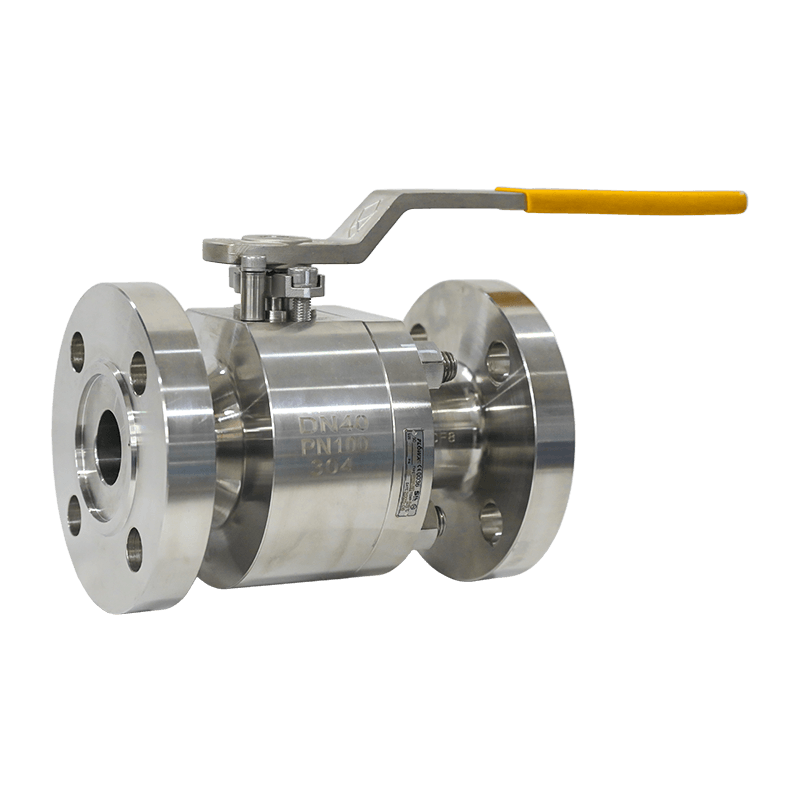
Body style and end connection decide how the valve is installed, how it is maintained and how much space it needs. The two-piece body is the most common for threaded and small-bore valves. It is compact, economical and reliable, but seat replacement requires removing the valve from the pipeline. The three-piece body adds a removable center section. The end pieces stay in the line, so maintenance crews can replace seats, seals and the ball without cutting pipe.
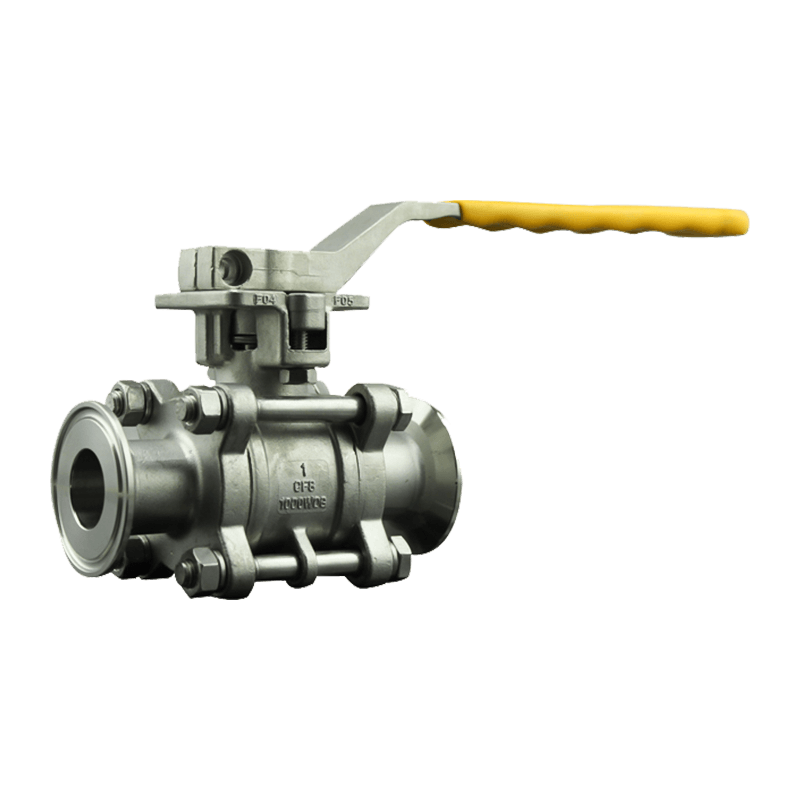
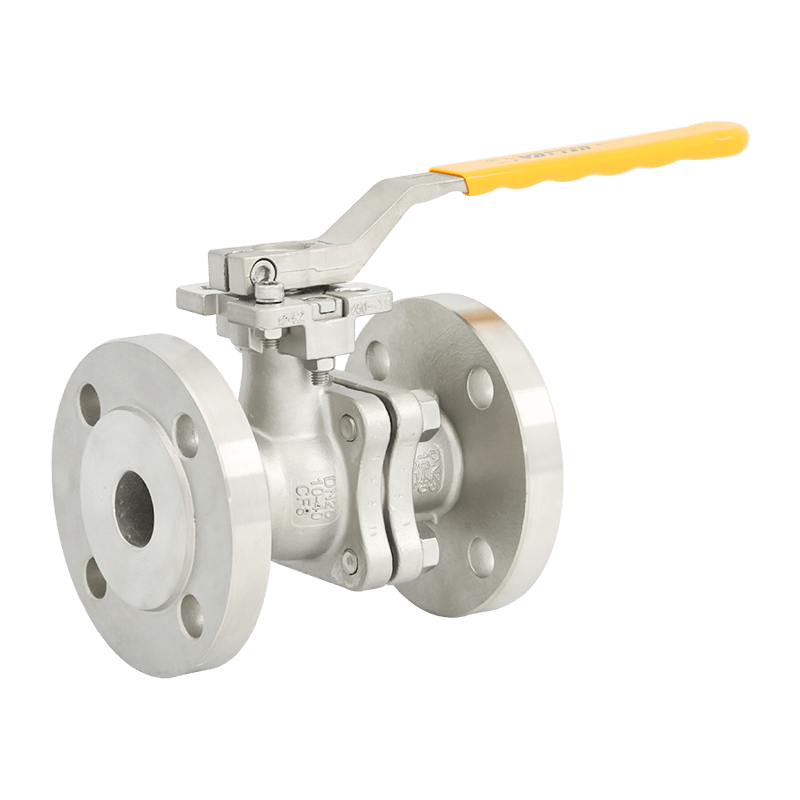
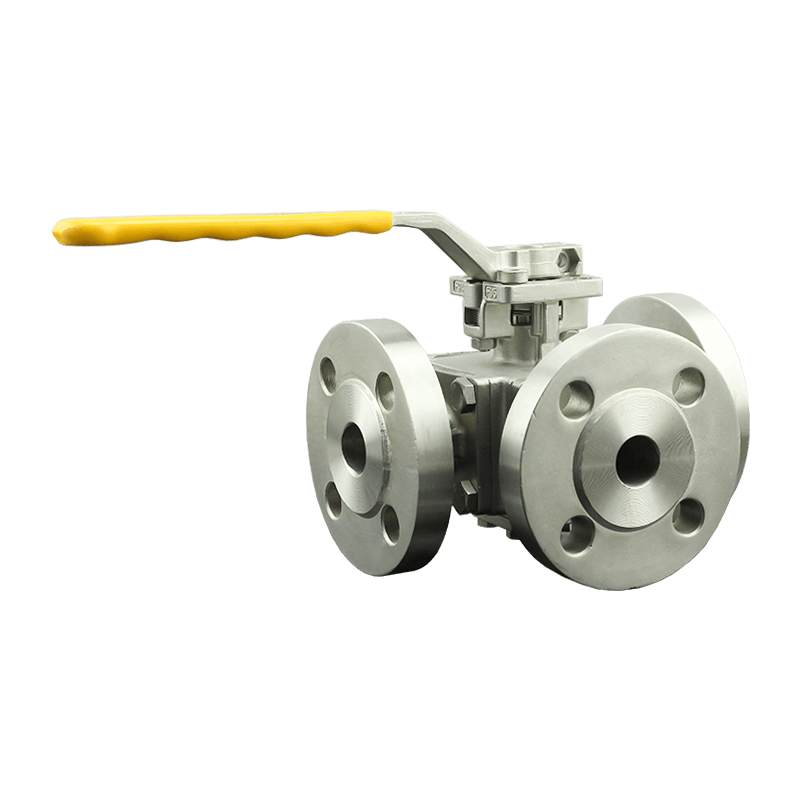
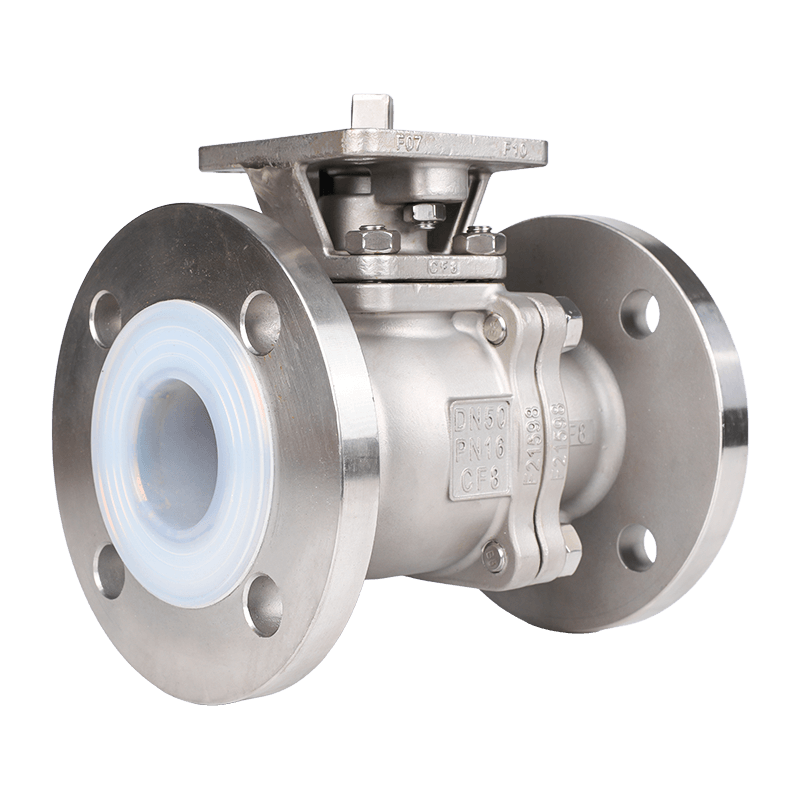
For larger lines and higher pressures, flanged ends are the standard. Flanges allow clear alignment, fast bolting and straightforward removal. Flange drilling follows ANSI 150/300 or DIN PN16/PN40 systems, and the two are not interchangeable, so verify the existing piping standard. Threaded ends in BSP or NPT are common from DN8 to DN50. Clamp ends are widely used in food and pharmaceutical plants where quick disassembly is essential. Butt-welded and socket-welded ends are selected for permanent, high-integrity systems.
For most small-bore applications, a two-piece threaded stainless steel ball valve is the most economical and proven design.
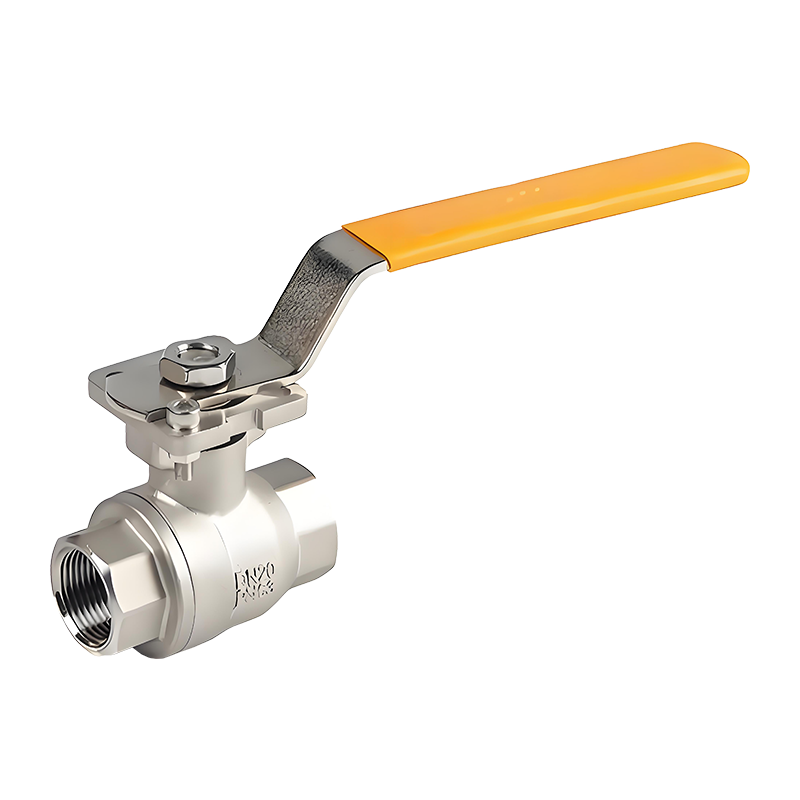 Manual Ball ValveVATTEN manual ball v...View Product →
Seats, Seals and Trim: Matching the Internal Design to the Service
The seat material often defines the valve limit. PTFE is the standard seat for stainless steel ball valves. It is chemically inert, has a low friction coefficient and provides bubble-tight shutoff from about -29°C up to 180°C. The pressure rating must be derated as temperature rises, so always check the manufacturer's pressure-temperature diagram.
For hotter services or higher cycling rates, RTFE provides a stiffer seat with less cold flow. PEEK seats extend service to about 260°C and handle higher pressures. Metal-seated ball valves are the choice for abrasive media, steam and process temperatures above 200°C, but they typically have a small controlled seat leakage and require higher operating torque.
Stem sealing matters just as much. PTFE chevron packing is standard for clean services, while graphite packing is used in high-temperature and fire-safe designs. If the application requires compliance with API 607 or ISO 10497, confirm that the valve includes firesafe seals and anti-static stem grounding.
Manual, Pneumatic or Electric Actuation
The actuation decision starts with the process. A manual stainless steel ball valve is the right choice when the valve is accessible, operation is occasional and no remote or automatic shutdown is needed. It is also the least expensive option and the easiest to maintain.
Pneumatic actuation is the standard for automated shutoff in chemical and process plants. It reacts quickly, is simple to maintain and can be configured with spring return to fail open or fail closed. When fast, repeatable cycling is required, a pneumatic three-piece stainless steel ball valve gives the maintenance benefits of a removable center section while automating the quarter-turn operation.
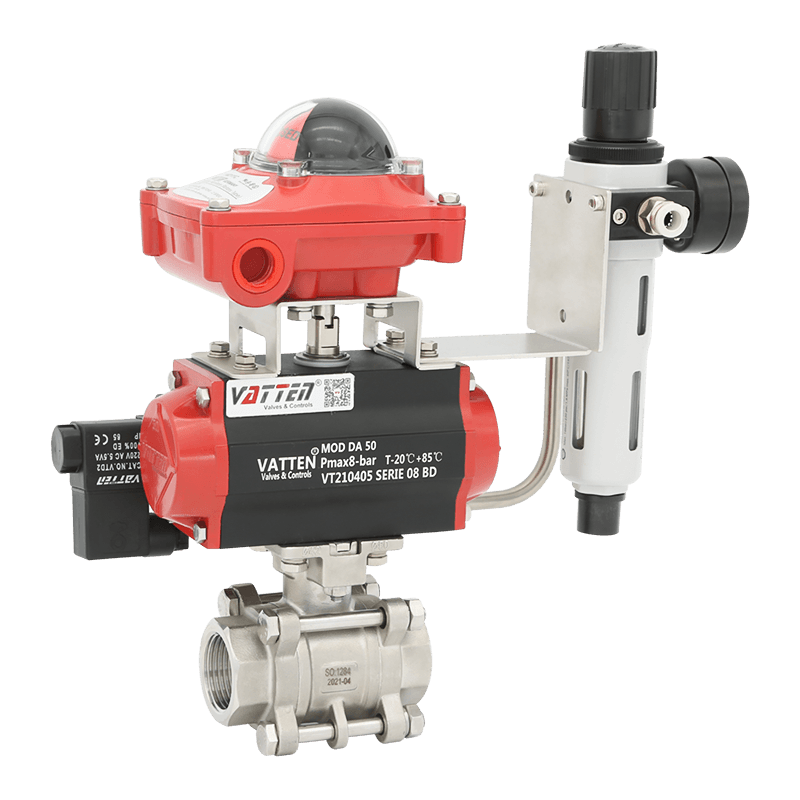 Pneumatic Ball ValveThe VATTEN pneumatic...View Product →
Electric actuation suits locations without compressed air and applications where a stable position signal is needed. Electric actuators are slower but very precise. In facilities without an air network, an electric flanged stainless steel ball valve provides reliable remote switching through a PLC or DCS.
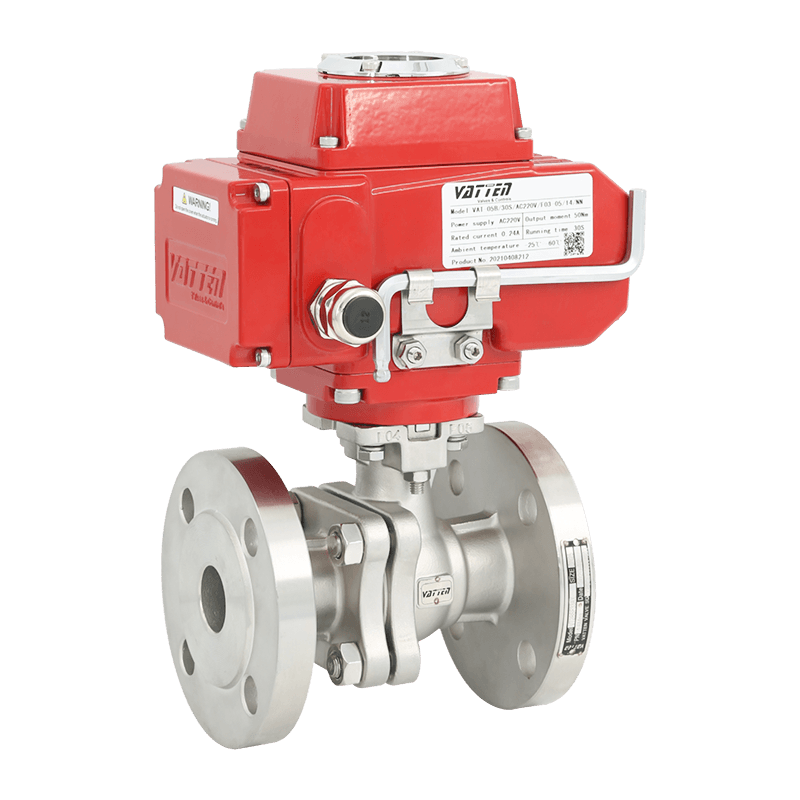 Electric Ball ValveThe VATTEN electric ...View Product →
Accessories complete the package. Solenoid valves, limit switches, positioners and filter regulators add a modest share to the total valve cost and are essential for safe remote operation.
A Practical Selection Checklist for Stainless Steel Ball Valves
Use this checklist before purchasing a stainless steel ball valve.
- Define the fluid and its chloride content. If in doubt, choose 316.
- Confirm the maximum operating temperature at the actual operating pressure and verify the derating curve.
- Select the body style: two-piece for economy, three-piece for easy maintenance.
- Match the end connection to existing flanges, threads or weld specifications.
- Choose the seat based on temperature: PTFE up to 180°C, RTFE or PEEK above that.
- Decide actuation based on cycling frequency, response time and control system requirements.
- Verify standards compliance, including pressure testing and fire-safe certification when required.
Avoid oversizing. A ball valve used repeatedly for throttling will erode the seats and lose shutoff capability. Use a control valve for continuous throttling. Do not ignore the derated pressure at higher temperatures. And never assume that a 304 valve will survive a chloride service just because it is stainless.
Stainless steel ball valves look simple, but their long-term performance depends on deliberate specification. Once the body grade, body style, seat material and actuation are aligned with the real process conditions, the valve becomes the least interesting part of the plant, which is exactly what a good valve should be.