
 English
 Deutsch
 Indonesia
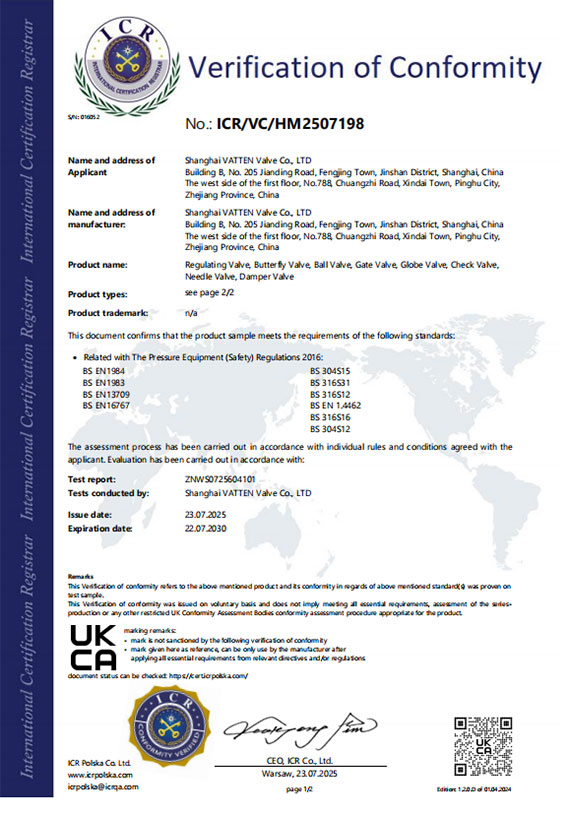
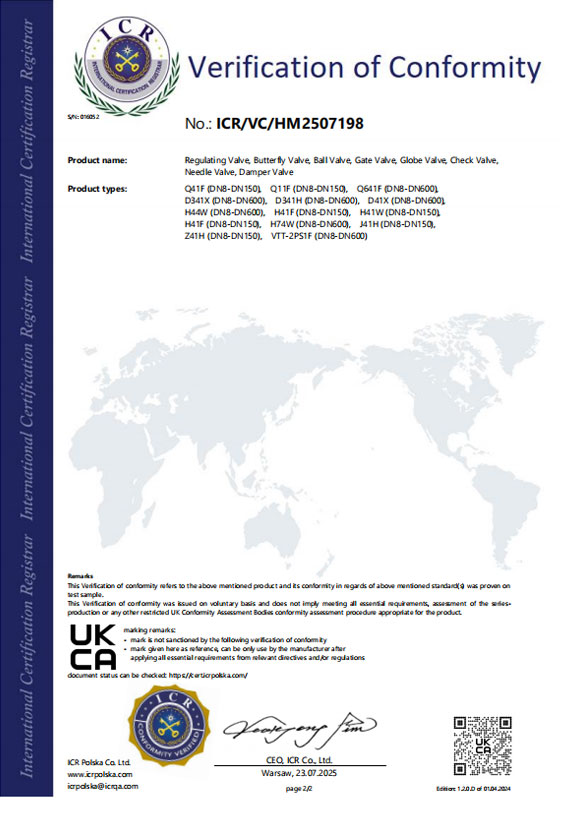
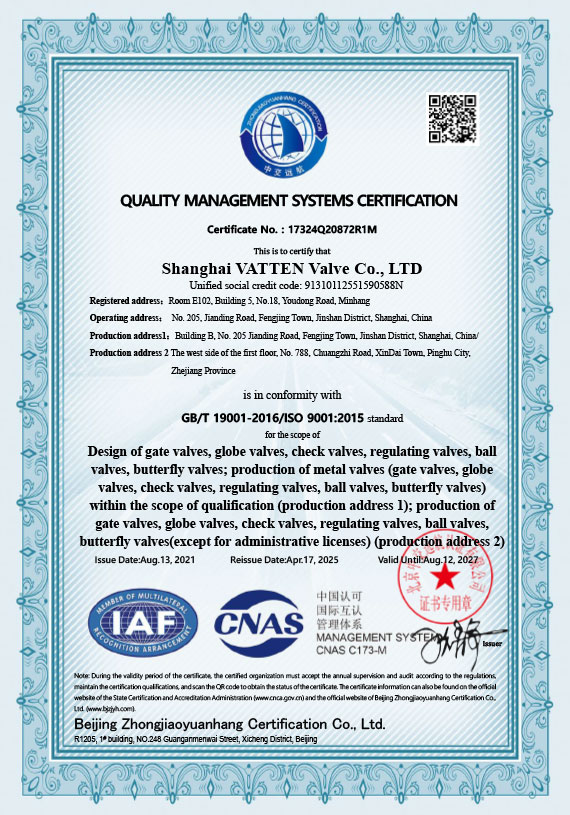
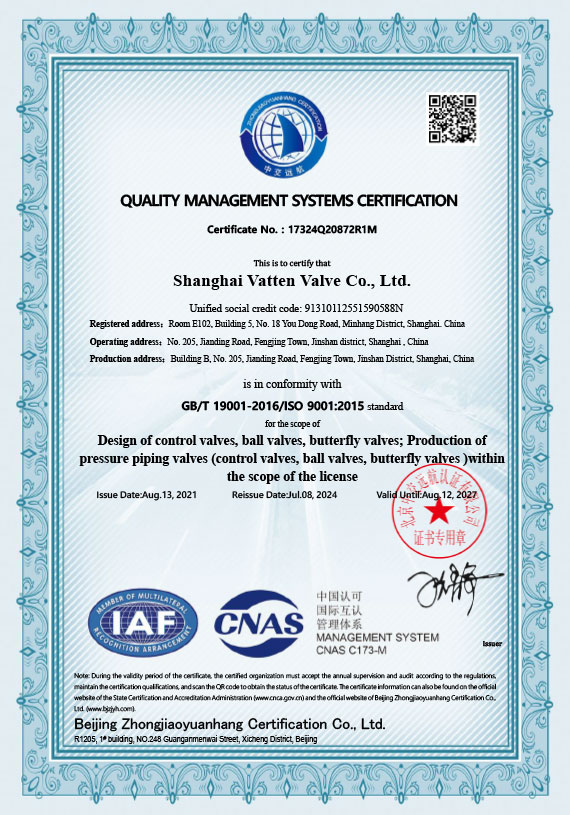
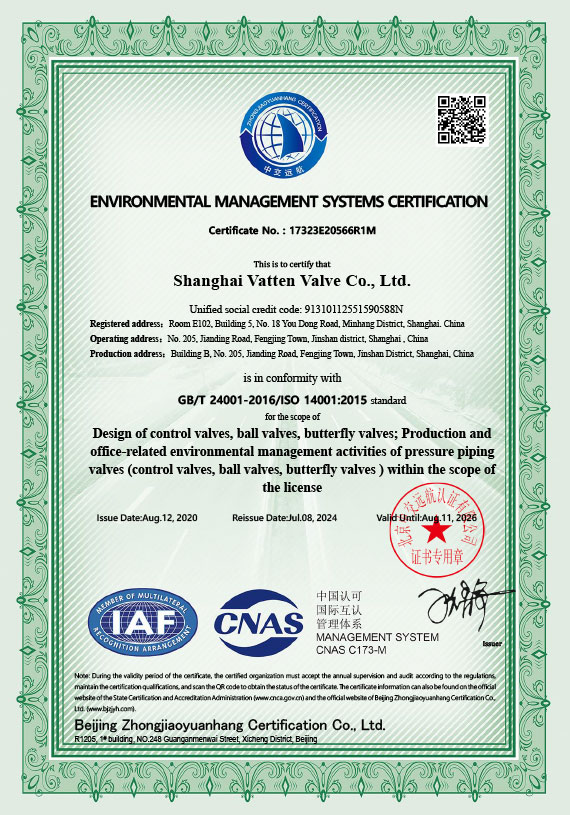
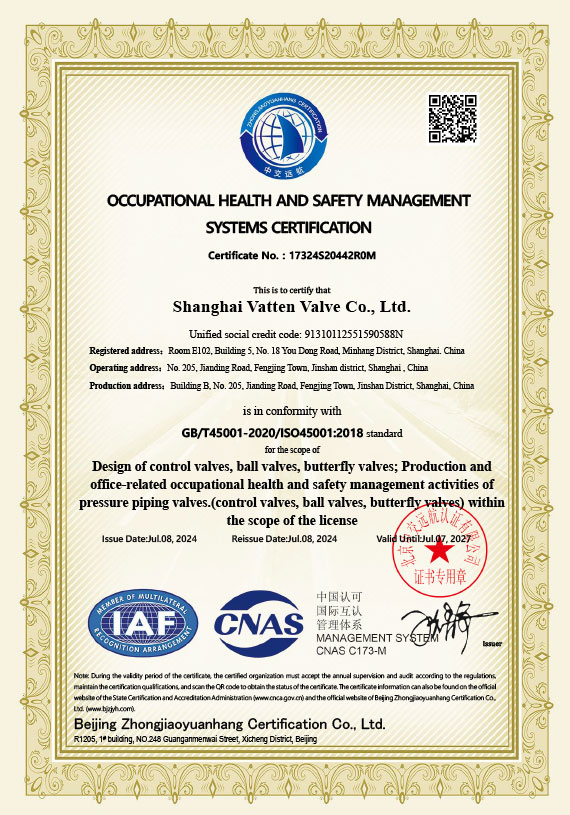
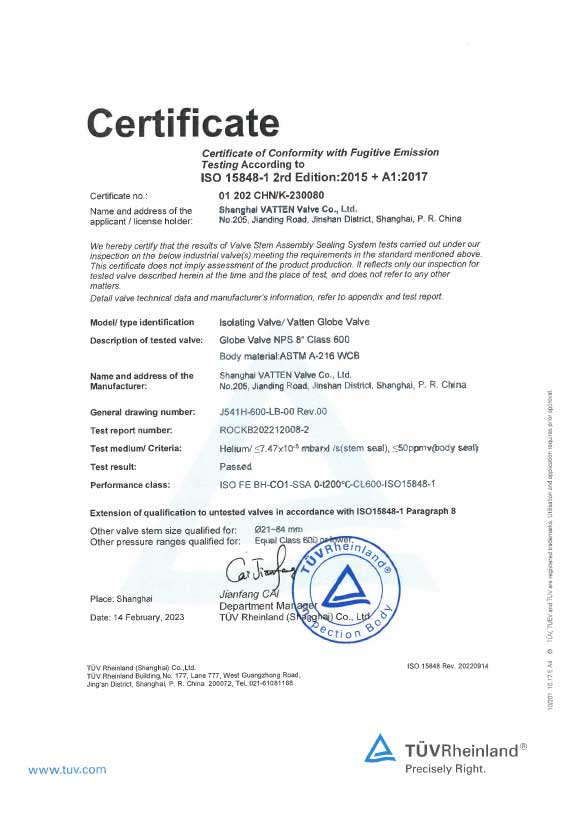
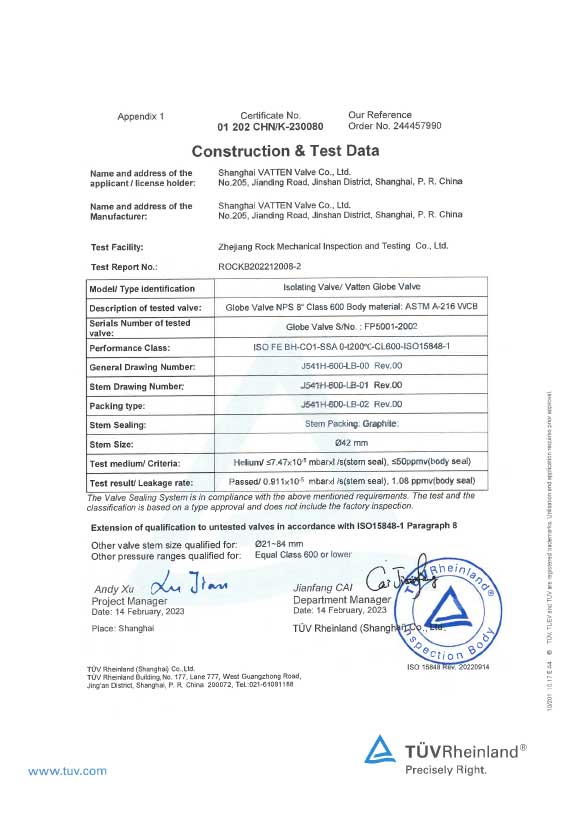
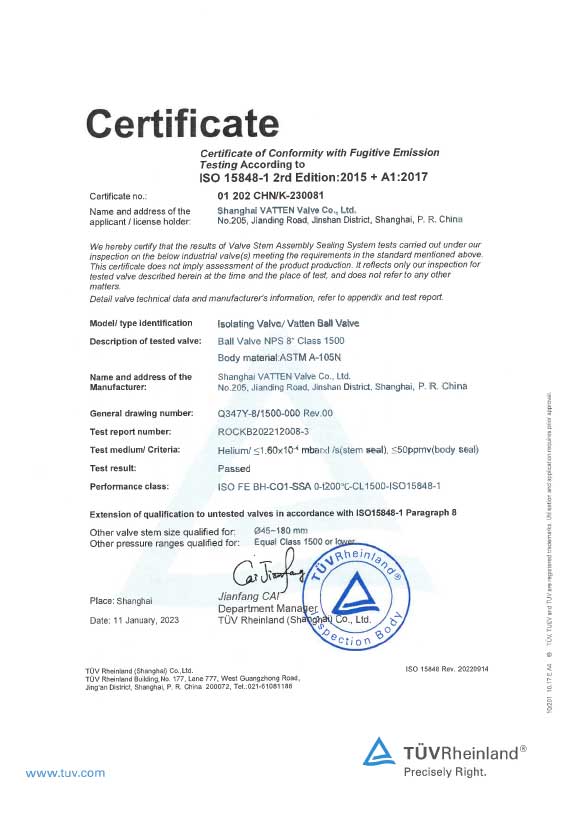
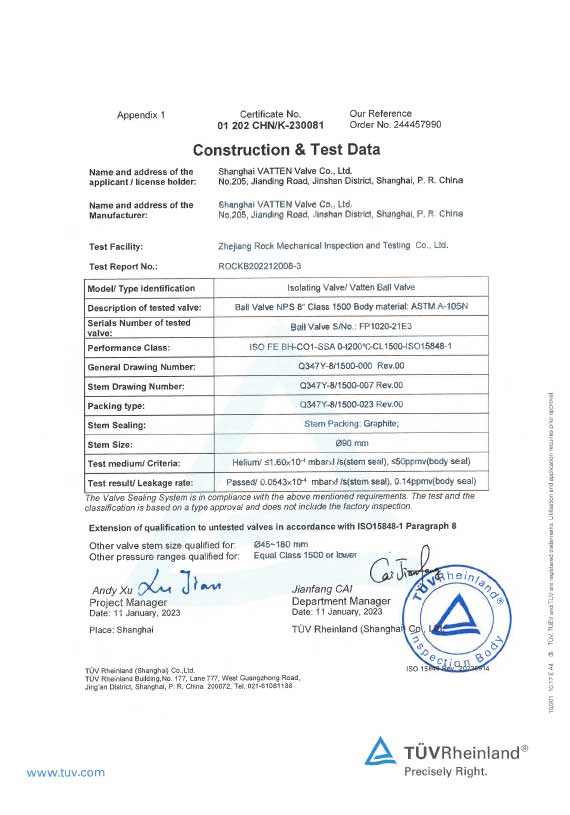
Control valve vibration refers to the rapid opening and closing of the valve during operation, indicating that the cont...
READ MOREWhy Choose Us?
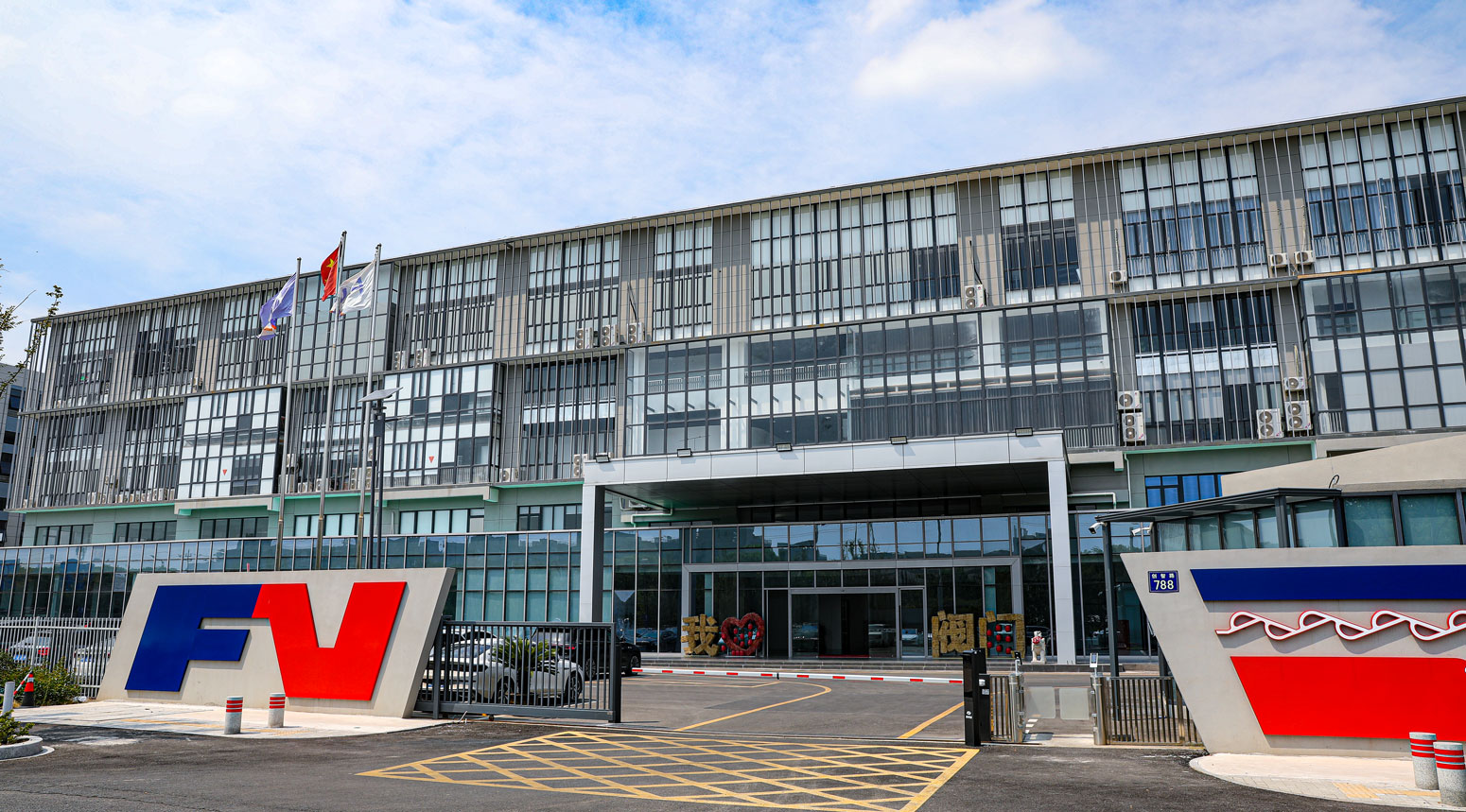
Vatten Valve Group, a globally renowned industrial automation valve enterprise originating from Saarland, Germany, specializes in the research, development, and manufacturing of core products such as automatic control ball valves, butterfly valves, and regulating valves. Leveraging our exceptional technological expertise, we deliver innovative valve solutions and professional technical support to critical industries including energy, chemical, water treatment, pharmaceutical, and food processing.
Self Control Valve Supplier
Level Instruments Manufacturers
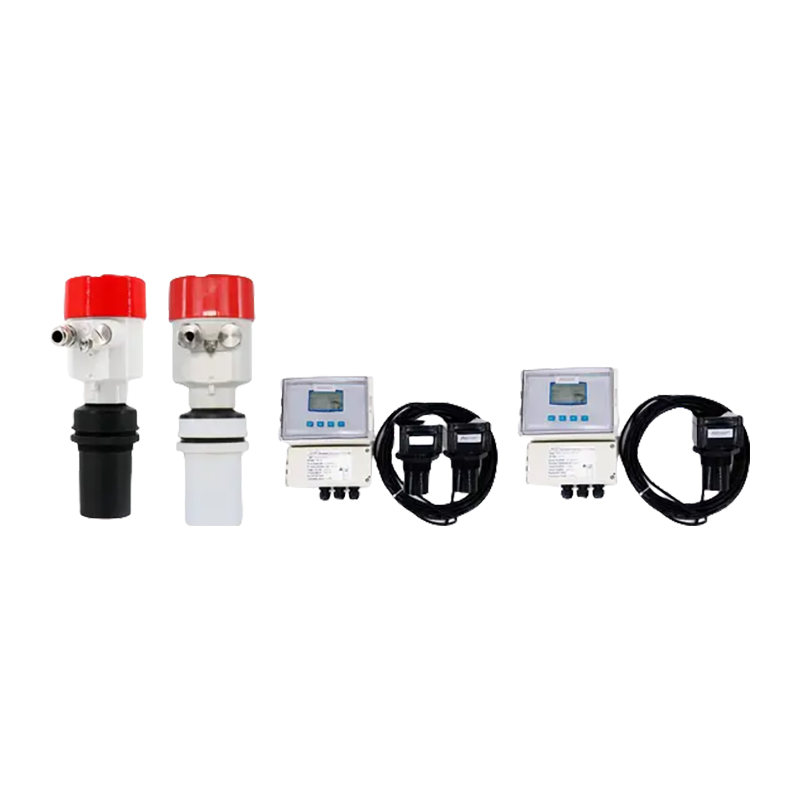
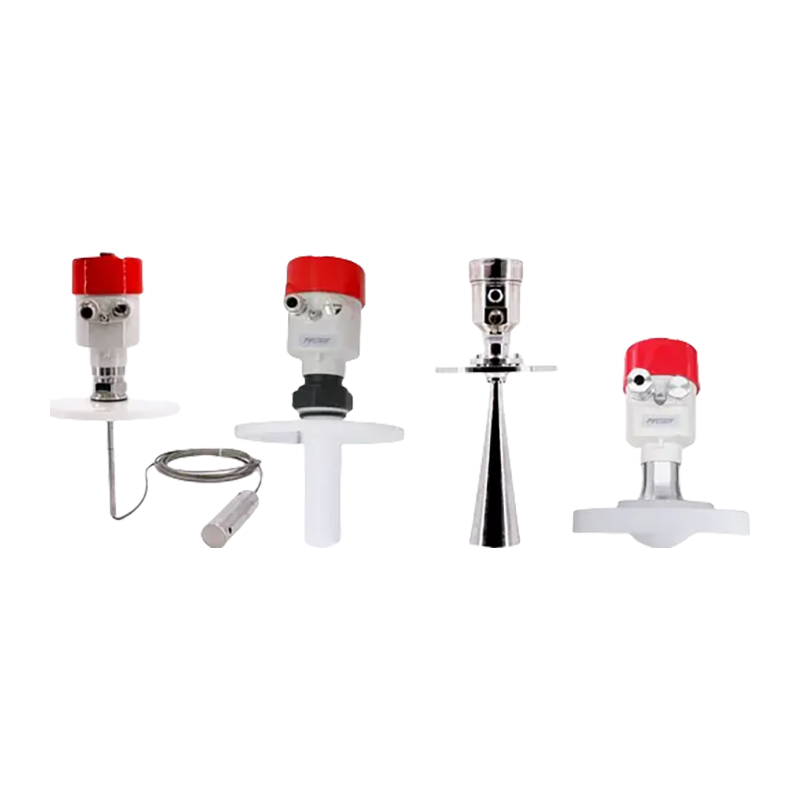
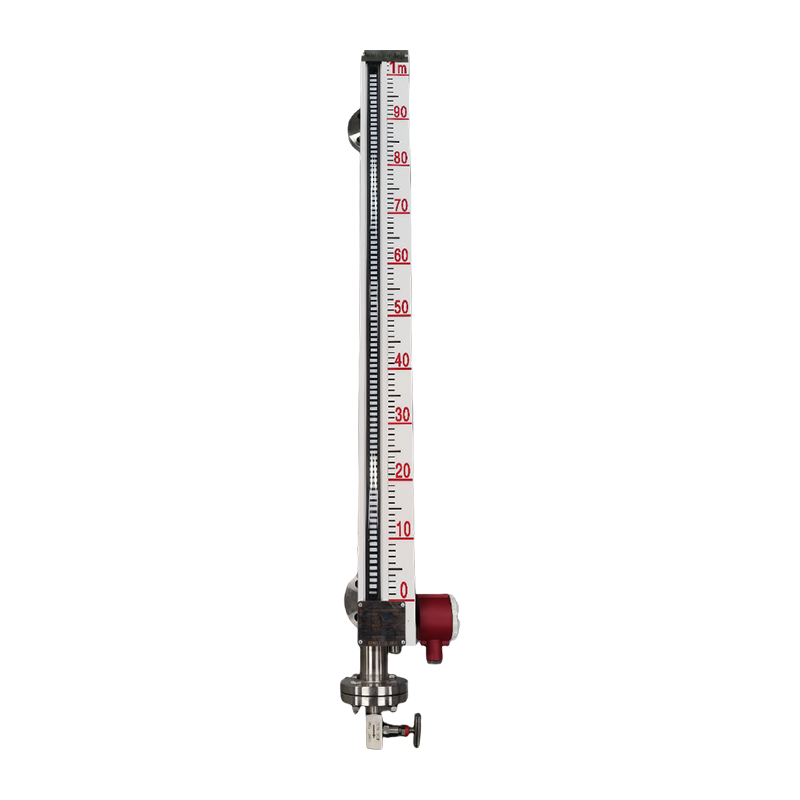
FvLuoky’s level instrument portfolio includes ultrasonic level meters, radar level meters, and magnetic float level meters, designed to meet requirements ranging from simple tank measurement to complex industrial process control. Built with advanced detection technologies and durable construction, our level instruments deliver exceptional performance even under extreme conditions such as high temperature, high pressure, or corrosive environments. Widely applied in water treatment, chemical, energy, metallurgy, and food industries, FvLuoky level instruments enable precise monitoring and efficient management of liquid levels. No matter how complex the application, FvLuoky provides reliable solutions to ensure safety and efficiency in your system.
Message Feedback
About Us
Vatten Valve Group, a globally renowned industrial automation valve enterprise originating from Saarland, Germany, specializes in the research, development, and manufacturing of core products such as automatic control ball valves, butterfly valves, and regulating valves. Leveraging our exceptional technological expertise, we deliver innovative valve solutions and professional technical support to critical industries including energy, chemical, water treatment, pharmaceutical, and food processing.
As Level Instruments Manufacturers and Water Level Meters Company, the Group operates four state-of-the-art manufacturing bases strategically located in Shanghai, Tianjin, Lishui, and Jiaxing, China. To better serve international markets, we have established branch offices in key strategic locations including the United Kingdom, Turkey, Belarus, Saudi Arabia, and Indonesia. The establishment of our Indonesian office significantly enhances our service capabilities in the Southeast Asian market, ensuring timely and efficient technical support and services for local partners and clients.
Rooted in the German tradition of precision manufacturing, Vatten Valve maintains its focus on automatic control valves while strictly adhering to international quality standards. Provide Wholesale Level Instruments. We are committed to continuous innovation, providing customers with superior performance products, professional technical support, and comprehensive fluid control solutions, empowering them to address complex industrial fluid control challenges.
News
-
-
Bottom discharge valves are flow-control devices installed at the lowest point of a vessel, tank, or hopper to allow co...
READ MORE -
Electric Flow Control Valves: Key Answer and Practical Value Electric flow control valves regulate fluid flow automatic...
READ MORE -
Key Conclusion: Why Check Valves Are Essential in Fluid Systems Check valves are installed to allow fluid to flow in on...
READ MORE -
Such a scene often occurs during control valve selection meetings: The procurement manager asked: "Why not use this bal...
READ MORE
Industry Knowledge
Accuracy Factors in Water Level Measurement
The accuracy of water level meters depends on sensor type, installation conditions, and environmental factors. Float-based meters are simple but can be affected by turbulence or debris, while ultrasonic and radar level meters provide non-contact measurements with high precision. Temperature fluctuations, foam formation, and vapor presence may influence ultrasonic readings, so appropriate signal conditioning and calibration routines are necessary. Selecting the right measurement principle for the specific application ensures reliable and repeatable results.
Comparison of Hydrostatic, Ultrasonic, and Radar Level Instruments
Different level measurement technologies have strengths and limitations depending on the medium and process conditions. The table below highlights their primary characteristics:
| Instrument Type | Measurement Principle | Suitable Applications | Advantages |
| Hydrostatic | Measures liquid pressure proportional to level | Tanks, reservoirs, open channels | Reliable, simple, cost-effective |
| Ultrasonic | Uses sound pulses to measure distance to surface | Water treatment, wastewater, tanks with clean surfaces | Non-contact, minimal maintenance, good for corrosive fluids |
| Radar | Uses microwave pulses to measure distance to surface | Aggressive liquids, high temperature, foaming liquids | Non-contact, unaffected by foam or vapor, high accuracy |
Impact of Environmental Factors on Level Instrument Performance
Environmental conditions such as temperature changes, vapor, dust, and surface turbulence can affect level measurement. Hydrostatic sensors may require temperature compensation to maintain accuracy. Ultrasonic and radar sensors can be influenced by foam, mist, or high vapor density, requiring signal filtering and proper installation height. Installing level meters away from inlets, outlets, and mixers minimizes the effect of turbulence and ensures stable readings over time.
Maintenance Best Practices for Water Level Meters
Regular maintenance ensures the long-term reliability of level instruments. Cleaning sensor surfaces, checking for debris accumulation, and inspecting wiring or connections prevent measurement errors. Calibration against reference standards helps maintain accuracy, especially for critical process applications. For non-contact sensors, verifying signal strength and alignment ensures optimal performance. Documenting maintenance routines aids compliance and enhances traceability.
- Inspect float mechanisms for obstruction or wear in mechanical meters.
- Clean ultrasonic and radar sensor windows to avoid signal attenuation.
- Check hydrostatic sensors for leaks or corrosion in wetted parts.
- Verify calibration and perform zero/span adjustments periodically.
Integration of Level Instruments with Control Systems
Level instruments can be integrated into SCADA or DCS systems for real-time monitoring and control. Digital outputs such as 4–20 mA, HART, or Modbus allow continuous level tracking, alarming, and historical data logging. Smart level meters provide diagnostic information such as sensor drift, blockage detection, or temperature effects, enabling predictive maintenance and reducing unplanned downtime. Proper integration ensures safety, operational efficiency, and optimized water management.
Handling Foaming, Slurry, and Aggressive Liquids
Certain fluids, including foaming water, slurry, or chemically aggressive liquids, pose challenges for level measurement. Radar sensors are particularly suited for these conditions due to immunity to foam, vapor, and high dielectric variations. Hydrostatic sensors can be fitted with protective coatings or chemical-resistant diaphragms to prevent damage. Proper installation, including sensor orientation and avoidance of direct flow impact, ensures consistent performance in demanding applications.
Smart Water Level Meters and Remote Monitoring
Modern water level meters with smart capabilities allow remote monitoring, configuration, and predictive maintenance. Data on water level, rate of change, and sensor health can be transmitted to centralized systems for trend analysis and operational optimization. IoT-enabled meters facilitate early detection of abnormal conditions such as overfilling, leakage, or sensor drift. Integration with alarms and control logic enhances safety and reduces operational costs in industrial and municipal water management systems.
CONTACT DETAILS
- Address: Ruko Euro Asia Blok OSB 21B. Boulevard Osaka Street, Salembaran, Kosambi, Tangerang Regency, Banten 15214
- TEL: +62 81181207290
- E-mail: [email protected]
QUICK LINK
PRODUCT
If You Are Interested
In Our Products,
Please Consult Us
Copyright © Vatten Valve Group All Rights Reserved. Level Instruments Manufacturers Water Level Meters Company
