
 English
 Deutsch
 Indonesia


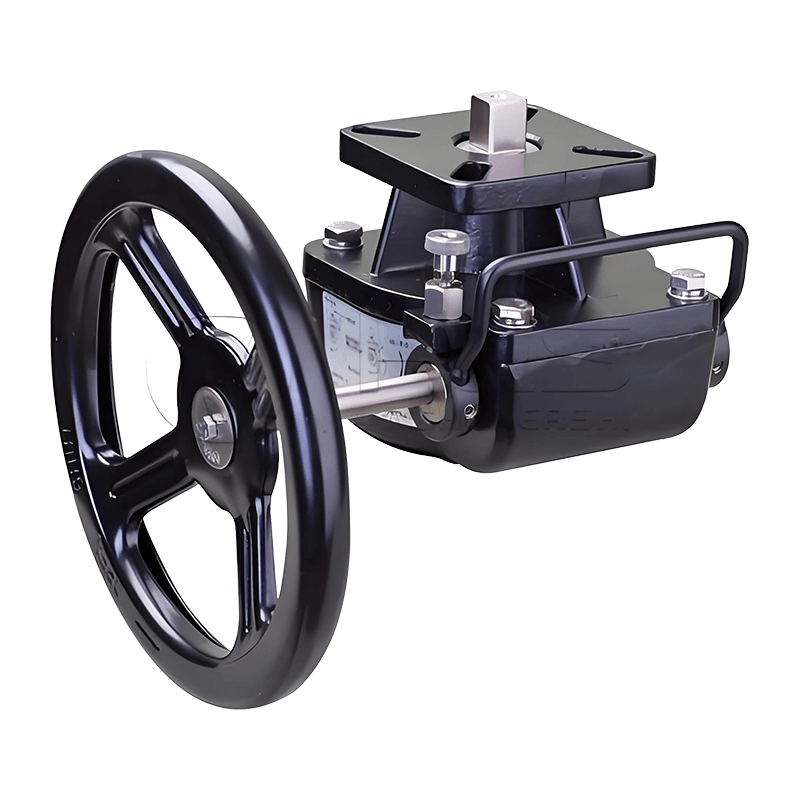
Pneumatic Actuator Manual Device
Pneumatic Actuator Manual Device Description
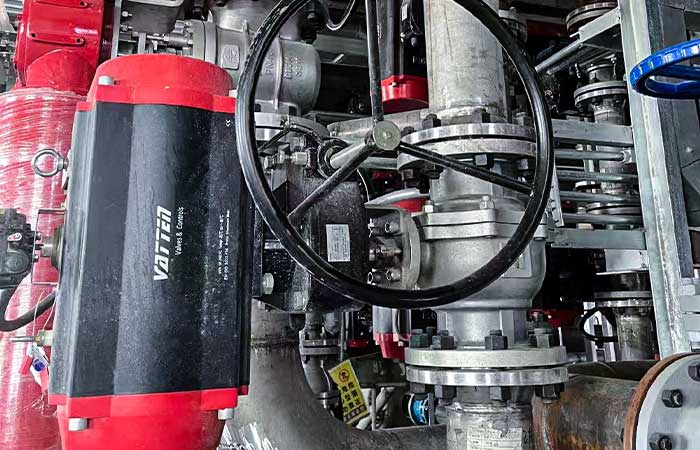
The clutch manual operating mechanism is a manual valve drive device typically used in conjunction with a pneumatic actuator. When the air supply signal fails, preventing the valve from opening, closing, or remaining in a fixed position, this manual operating mechanism offers a reliable solution. Operators can control the valve manually using the handwheel, ensuring the system's continued operation and safety.
The core components of the manual operating mechanism include the handwheel, transmission device, and connection components. The handwheel serves as the primary interface, allowing the user to precisely control the valve. The transmission device converts the rotation of the handwheel into valve movement, ensuring smooth and accurate operation. The connection components link the handwheel to the valve, enabling manual control.
The design of the manual operating mechanism takes into account the need for quick and reliable operation in case of pneumatic system failure. It not only plays a crucial role during air supply faults but also provides flexible control in certain special situations
|
Material |
Aluminum alloy |
|
Handwheel Actuator Components |
Includes handwheel, drive mechanism, and connection device |
|
Operation |
In normal operation, the handwheel is retracted and locked with a fastening nut, serving as a limit device for the valve's highest position. For manual operation, loosen the fastening nut, rotate the handwheel, and connect it to the actuator’s push rod, allowing movement of the push rod to adjust the valve opening. |
Product
Parameters
We can design and develop according to the needs of our customers to meet the requirements of different clients.
|
Material |
Aluminum alloy |
|
Handwheel Actuator Components |
Includes handwheel, drive mechanism, and connection device |
|
Operation |
In normal operation, the handwheel is retracted and locked with a fastening nut, serving as a limit device for the valve's highest position. For manual operation, loosen the fastening nut, rotate the handwheel, and connect it to the actuator’s push rod, allowing movement of the push rod to adjust the valve opening. |
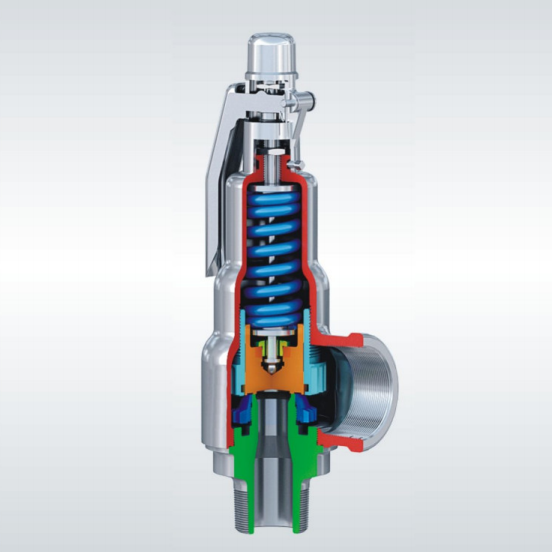
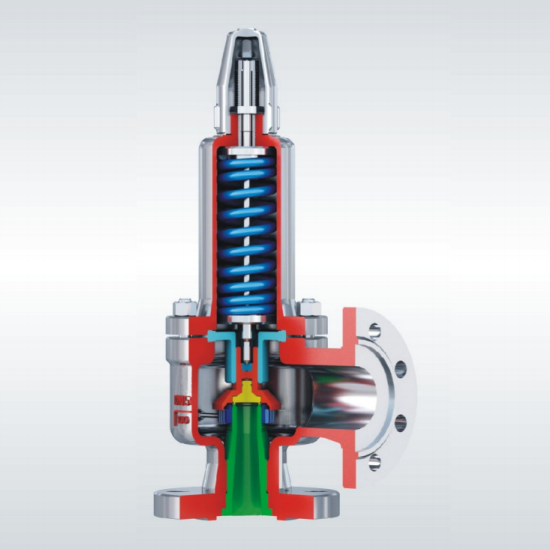
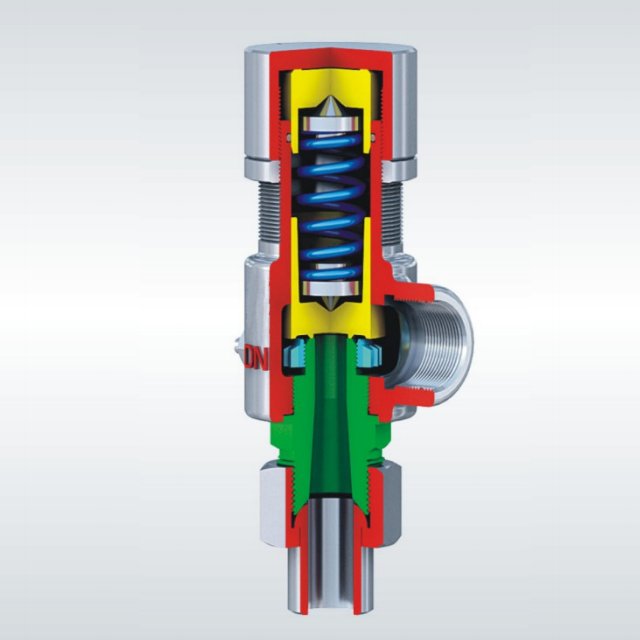
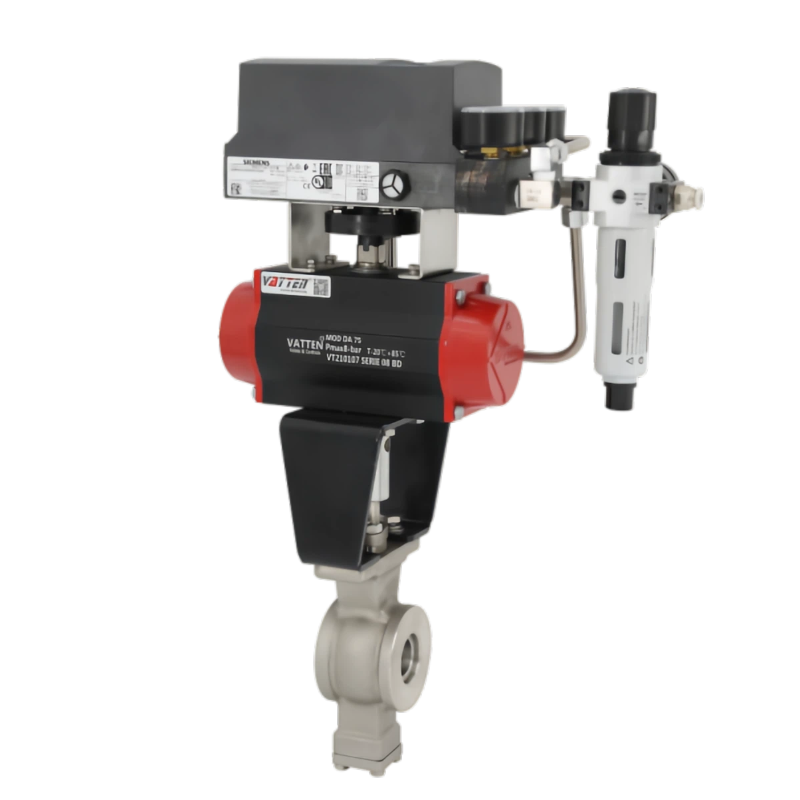
Vatten Valve Group, a globally renowned industrial automation valve enterprise originating from Saarland, Germany, specializes in the research, development, and manufacturing of core products such as automatic control ball valves, butterfly valves, and regulating valves. Pneumatic Actuator Manual Device Suppliers and Pneumatic Actuator Manual Device Factory. Leveraging our exceptional technological expertise, we deliver innovative valve solutions and professional technical support to critical industries including energy, chemical, water treatment, pharmaceutical, and food processing.
The Group operates four state-of-the-art manufacturing bases strategically located in Shanghai, Tianjin, Lishui, and Jiaxing, China. To better serve international markets, we have established branch offices in key strategic locations including the United Kingdom, Turkey, Belarus, Saudi Arabia, and Indonesia. The establishment of our Indonesian office significantly enhances our service capabilities in the Southeast Asian market, ensuring timely and efficient technical support and services for local partners and clients.
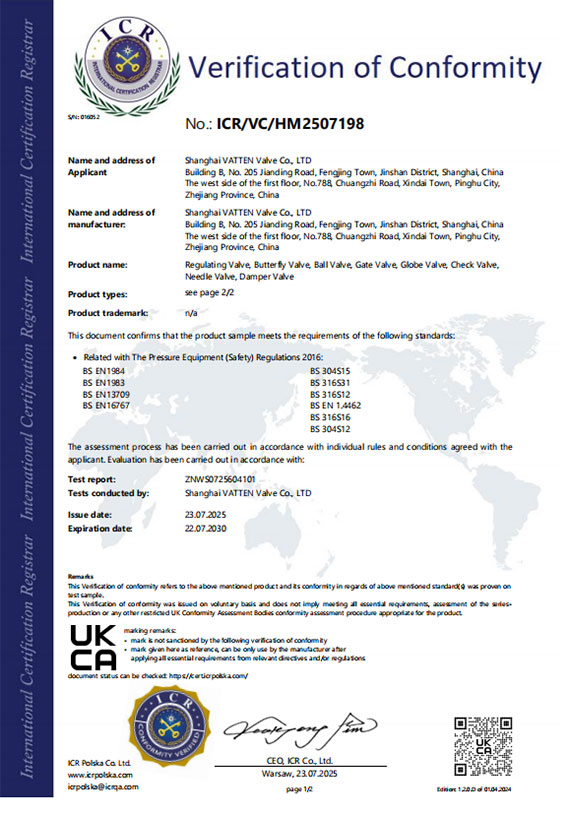
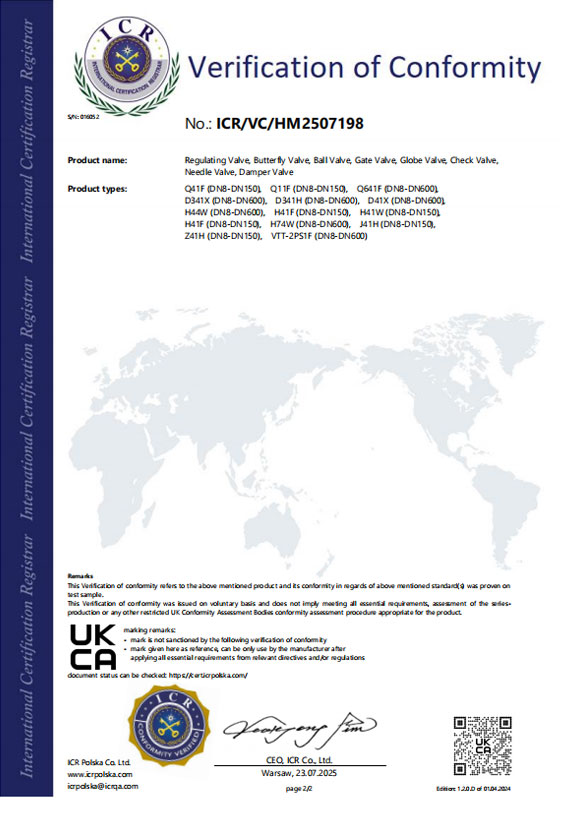
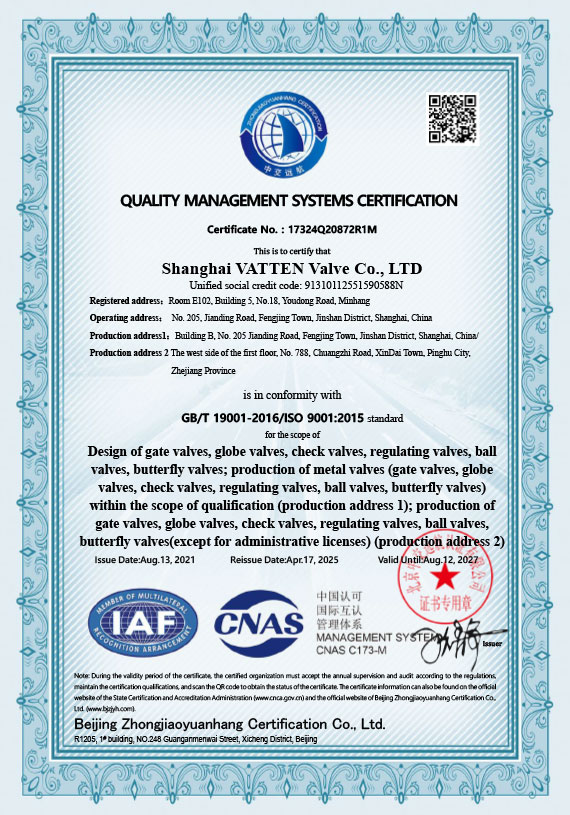
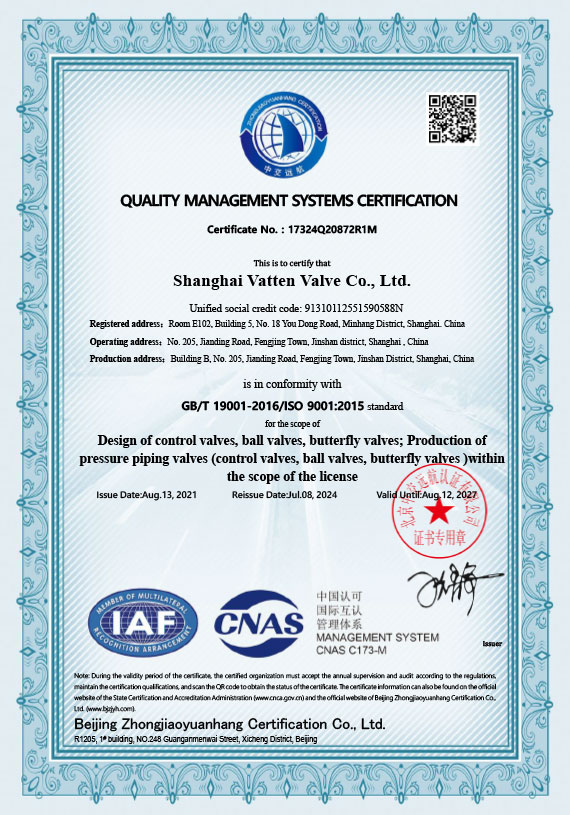
Rooted in the German tradition of precision manufacturing, Vatten Valve maintains its focus on automatic control valves while strictly adhering to international quality standards. We are committed to continuous innovation, providing customers with superior performance products, Pneumatic Actuator Manual Device Wholesale, professional technical support, and comprehensive fluid control solutions, empowering them to address complex industrial fluid control challenges.
-
Tube Pinch Valves Leak Frequently? The Root Cause Lies Mostly in the Rubber Sleeve Pinch valves open and close by squeezing the rubber sleeve. The sleeve is the only component that comes into direct contact with the medium and undergoes repeated flexing. A review of our company’s years of on-site maintenance records sh...
READ MORE -
Walk into a control room that has just finished a distributed control system migration and the same picture usually appears: clean trend displays, one historian, one alarm list, and a commissioning engineer quietly admitting that three loops still hunt by two percent. The cabinets are rarely the problem. The field la...
READ MORE -
A 500 cubic meter storage tank drained by a 60 cubic meter per hour transfer pump must admit 60 cubic meters of air per hour while it pumps. When that air cannot get in, the tank does not simply drain more slowly; the roof becomes the weakest structural element in the system. A vacuum relief valve is the component th...
READ MORE
CONTACT DETAILS
- Address: Ruko Euro Asia Blok OSB 21B. Boulevard Osaka Street, Salembaran, Kosambi, Tangerang Regency, Banten 15214
- TEL: +62 081181207290 +62 081772888860 +62 087745438666
- E-mail: [email protected]
QUICK LINK
PRODUCT
If You Are Interested
In Our Products,
Please Consult Us
Copyright © Vatten Valve Group All Rights Reserved. Wholesale Pneumatic Actuator Manual Device Suppliers
