
 English
 Deutsch
 Indonesia

Picture a pneumatic cylinder on a packaging line extending with enough force to dent the carton it ...
Why Choose Us?
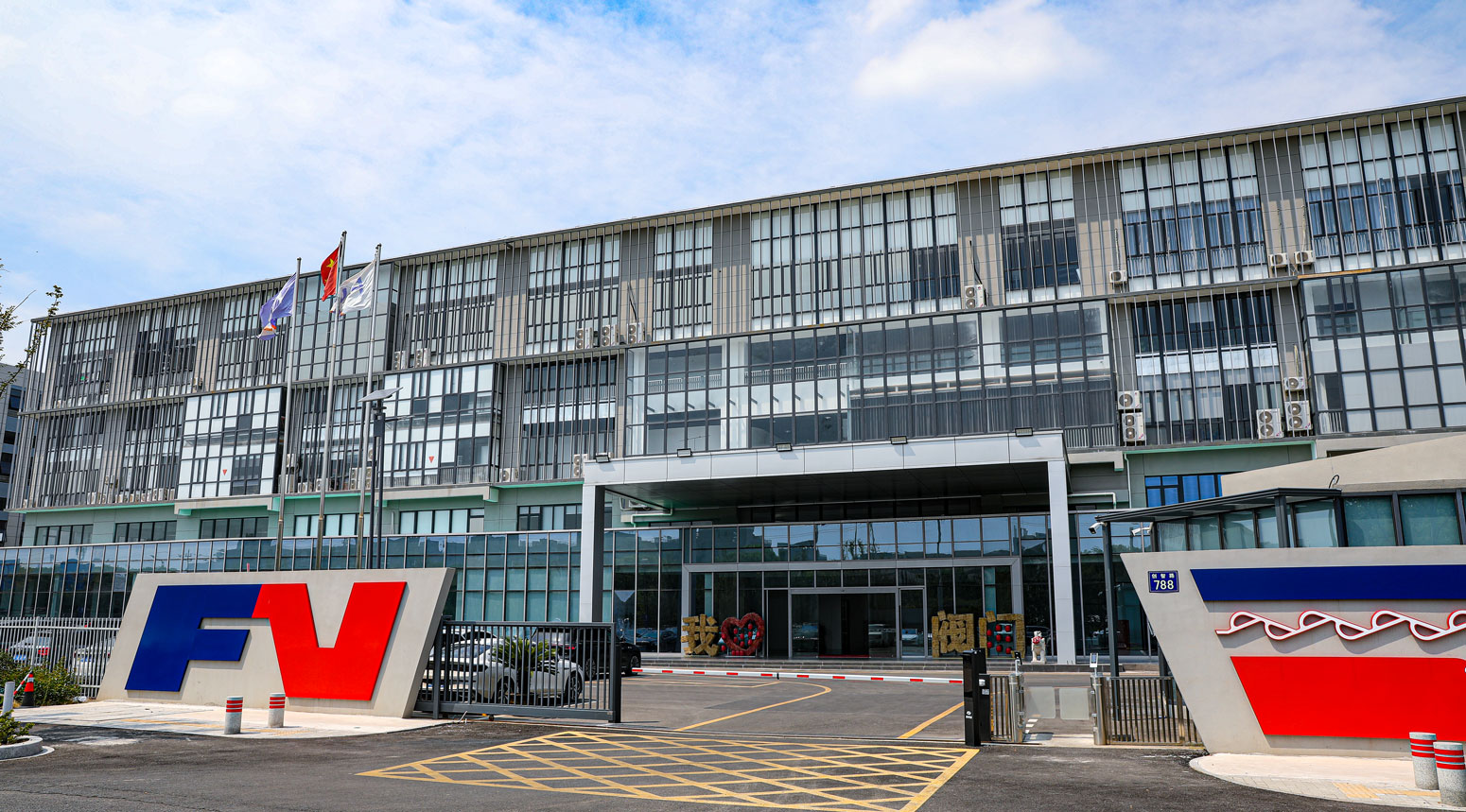
Vatten Valve Group, a globally renowned industrial automation valve enterprise originating from Saarland, Germany, specializes in the research, development, and manufacturing of core products such as automatic control ball valves, butterfly valves, and regulating valves. Leveraging our exceptional technological expertise, we deliver innovative valve solutions and professional technical support to critical industries including energy, chemical, water treatment, pharmaceutical, and food processing.
Self Control Valve Supplier
-
-
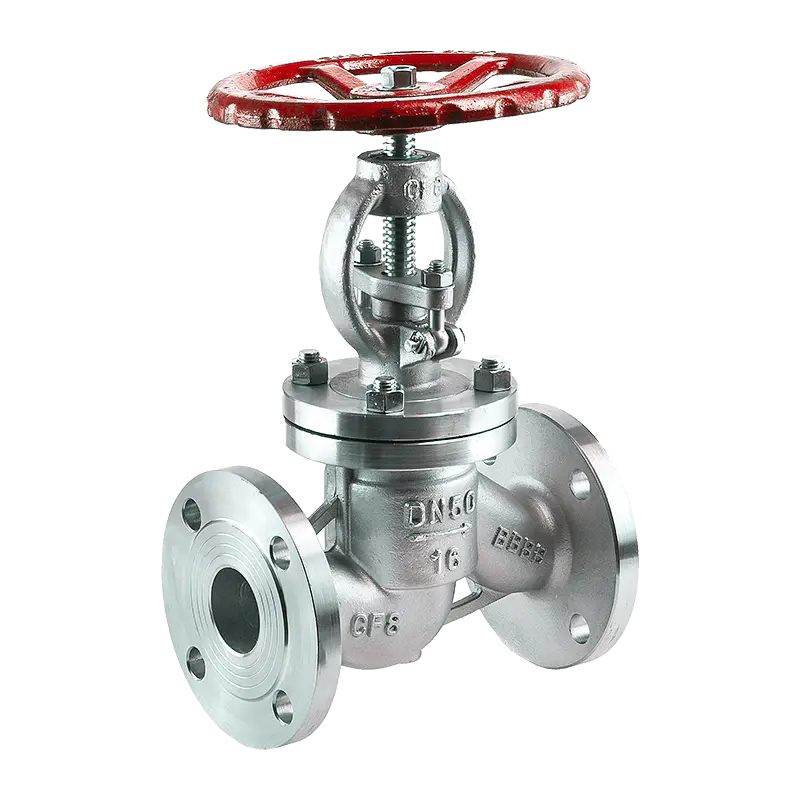 Stainless Steel Gate Valves: 304/316 Selection Guide
A plant engineer inspecting a failed gate valve after only 18 months of chlorinated water service a...
-
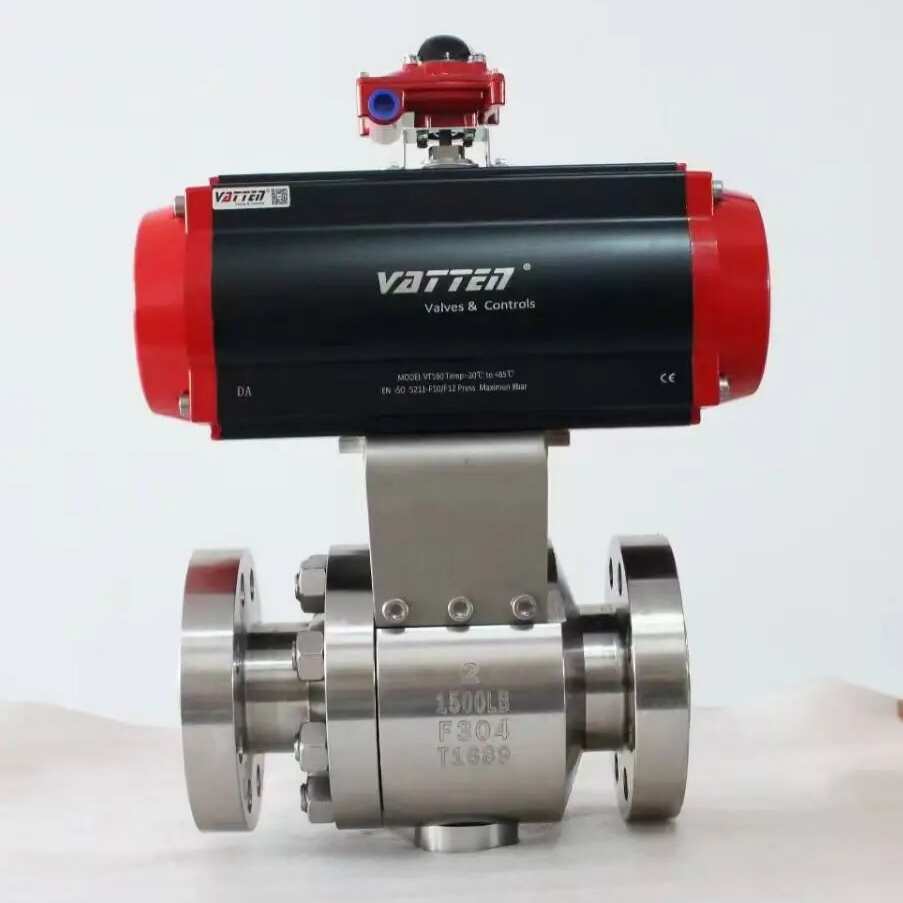 Product Recommendation: VATTEN Metal Seated Ball Valves Conquer Extreme Operating Conditions, A Robust Solution for Demanding Fluid Control
In industrial fluid systems, high temperature, high pressure, abrasive particle-laden media and hydr...
-
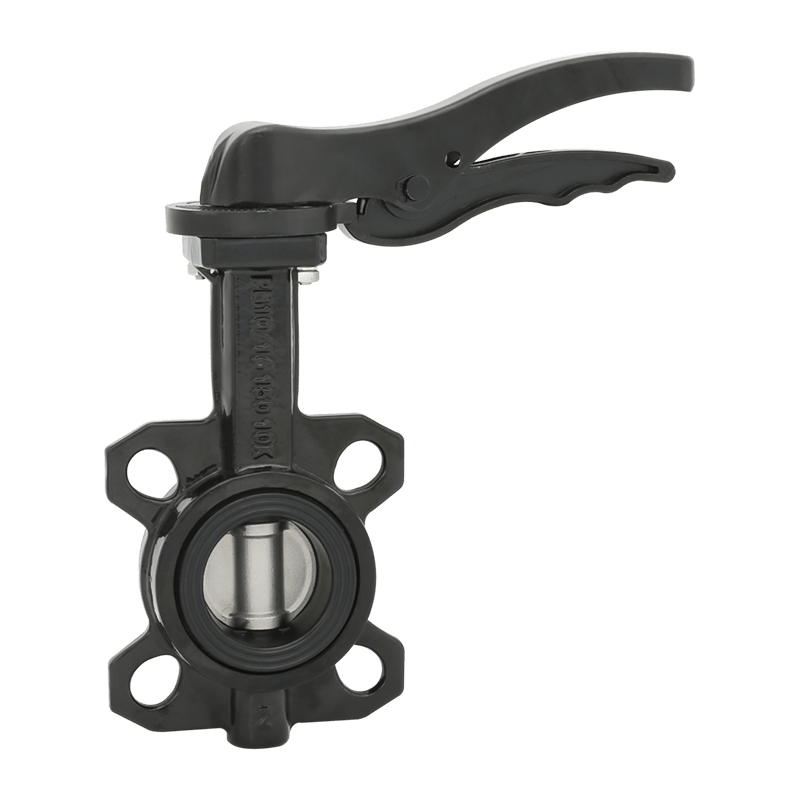 Manual Wafer Butterfly Valve Guide: Working, Types, Install
What Is a Manual Wafer Butterfly Valve? A manual wafer butterfly valve is a quarter-turn shut-off v...
-
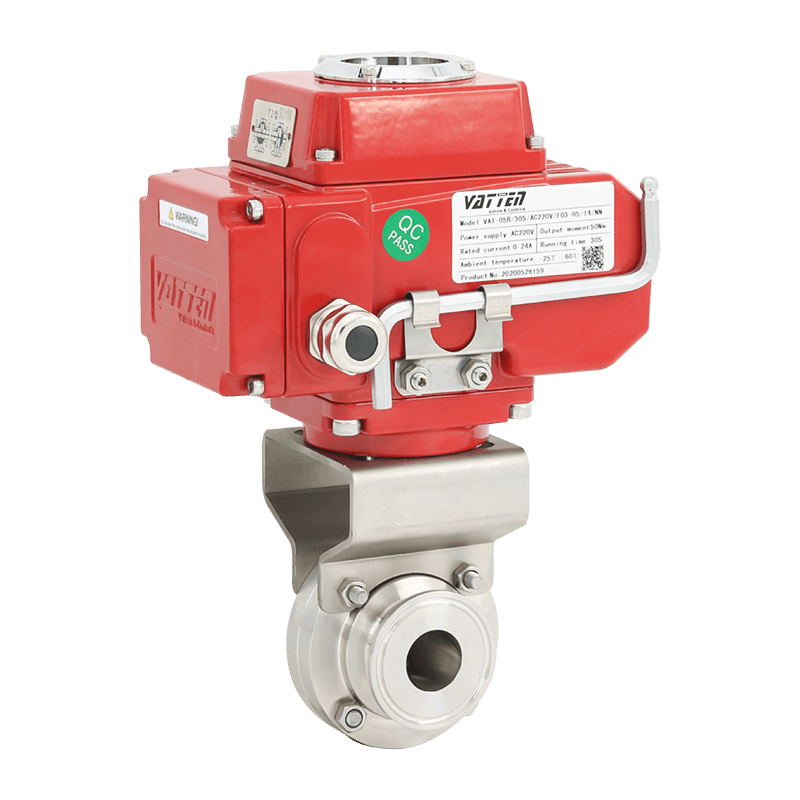 Electric Butterfly Valves: Selection, Types & Actuation Guide
A Miscalculated Torque Value Can Destroy a Valve in Weeks A poorly sized electric butterfly valve d...
-
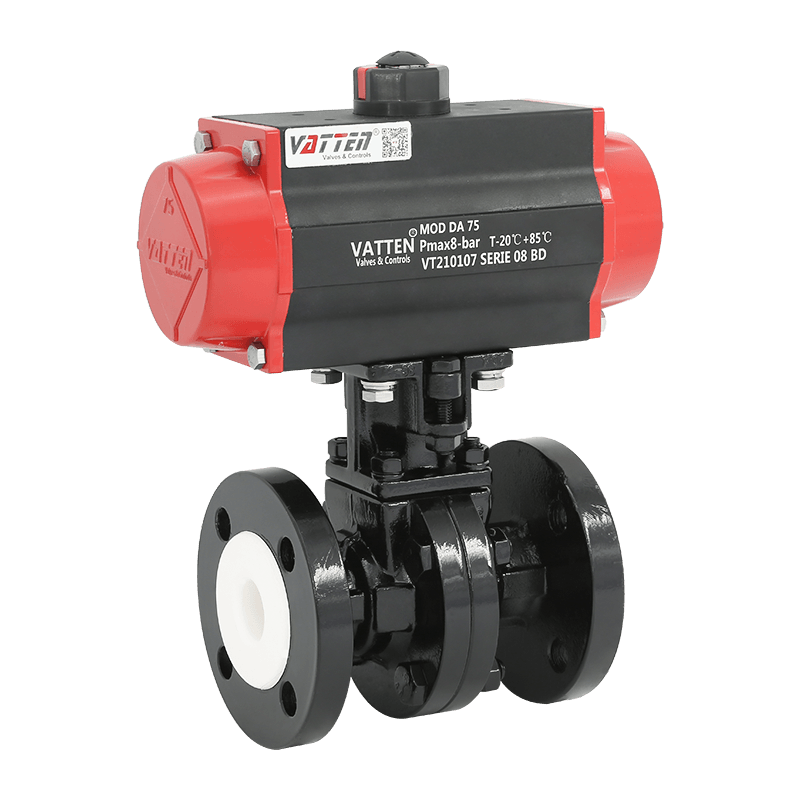 Pneumatic Ball Valves: Performance Data and Selection Insights
How Pneumatic Actuation Drives Reliable Flow Control A pneumatic ball valve operates by converting ...
-
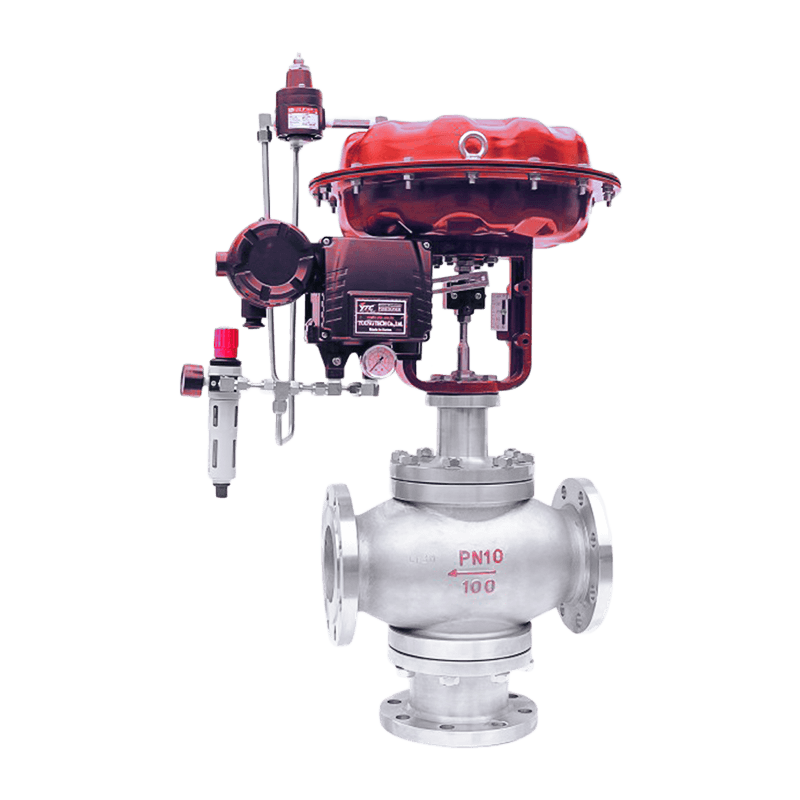 Flow Control Valve Selection: Drive Types, Sizing, and Failure
What a Flow Control Valve Actually Does A flow control valve narrows or widens an internal passage ...
-
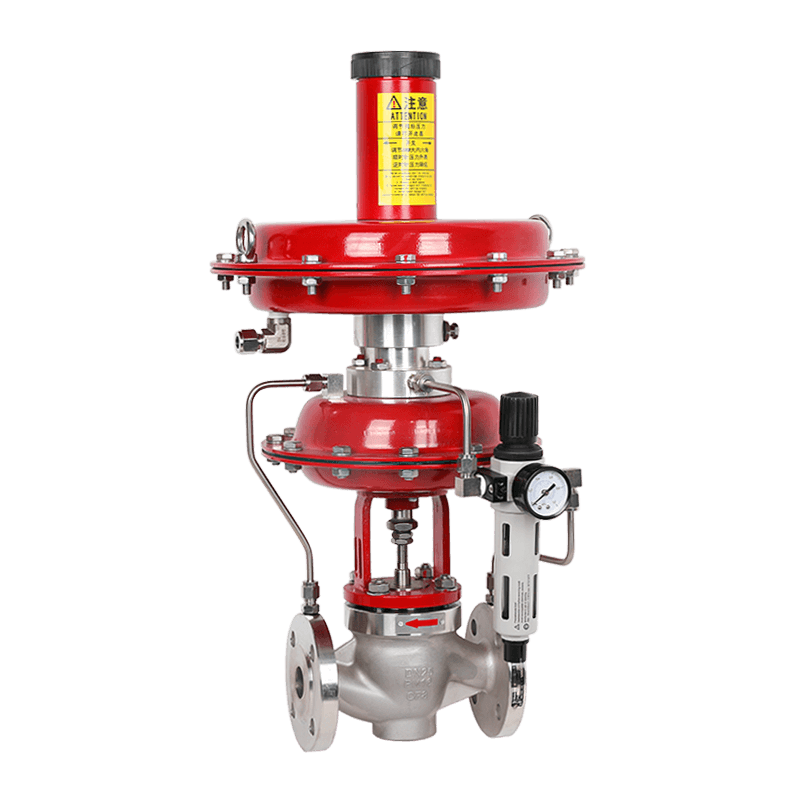 No Power, No Problem: How Self-Actuated Regulators Work & When to Use Them
A pipeline in a chemical plant loses power at 2 a.m. Pumps stop. PLCs go dark. But the pressure in ...
-
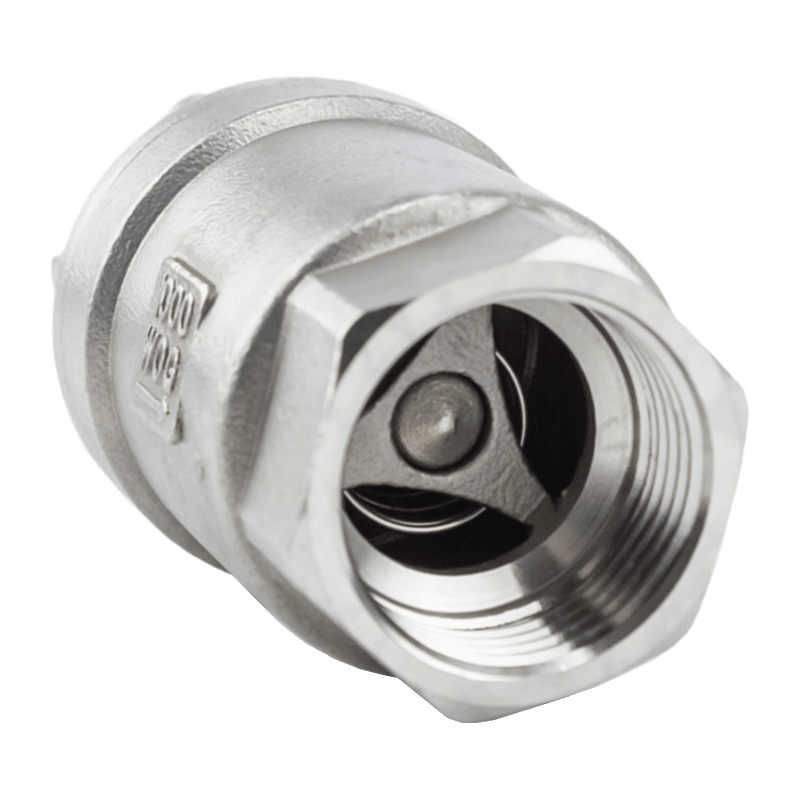 Vertical Lift Check Valves: How They Work, When to Use Them & What to Look For
A pump that runs backward for even a few seconds can destroy bearings, flood a suction line with co...
-
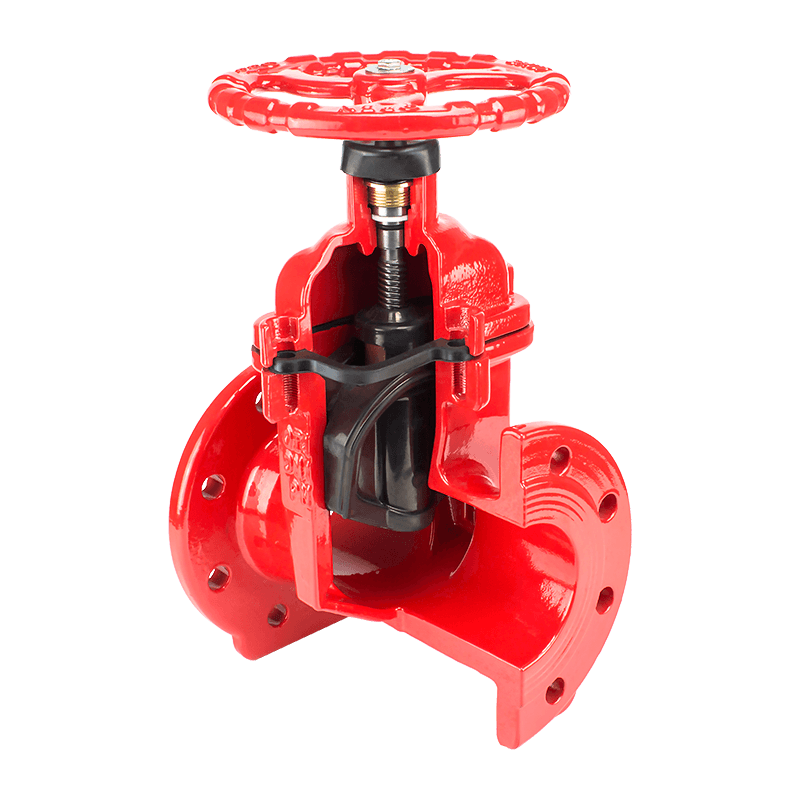 Stainless Steel vs Cast Iron Gate Valves: 5 Questions to Decide
The Real Difference Isn't Just Material A pump room floods with caustic cleaning solution every shi...
-
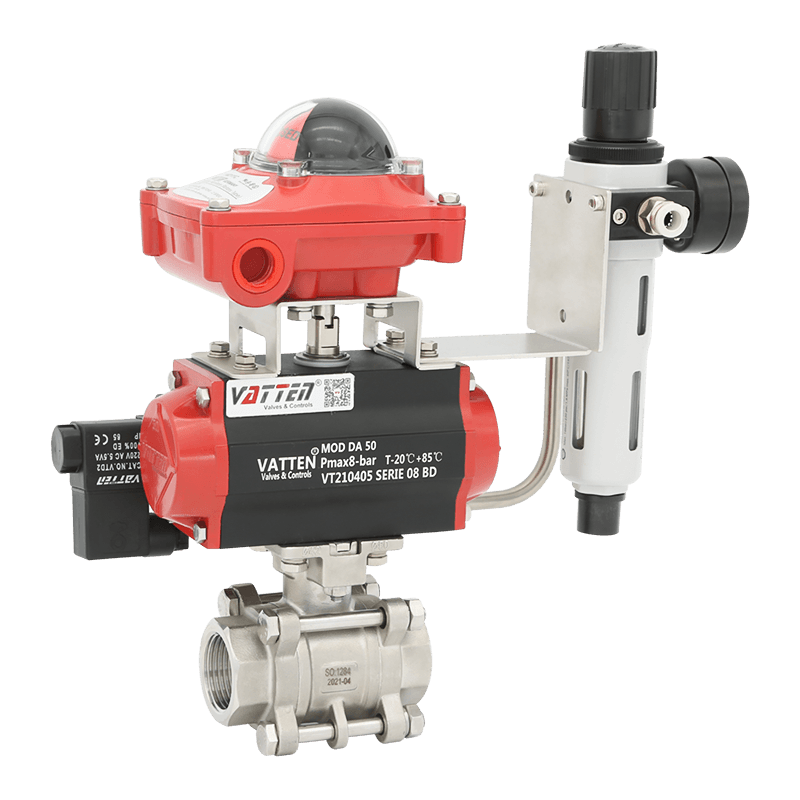 Pneumatic Ball Valve: Types, Specs & Selection Guide for Industrial Use
A pneumatic ball valve can complete a full open-to-close cycle in under a second. That speed — comb...
-
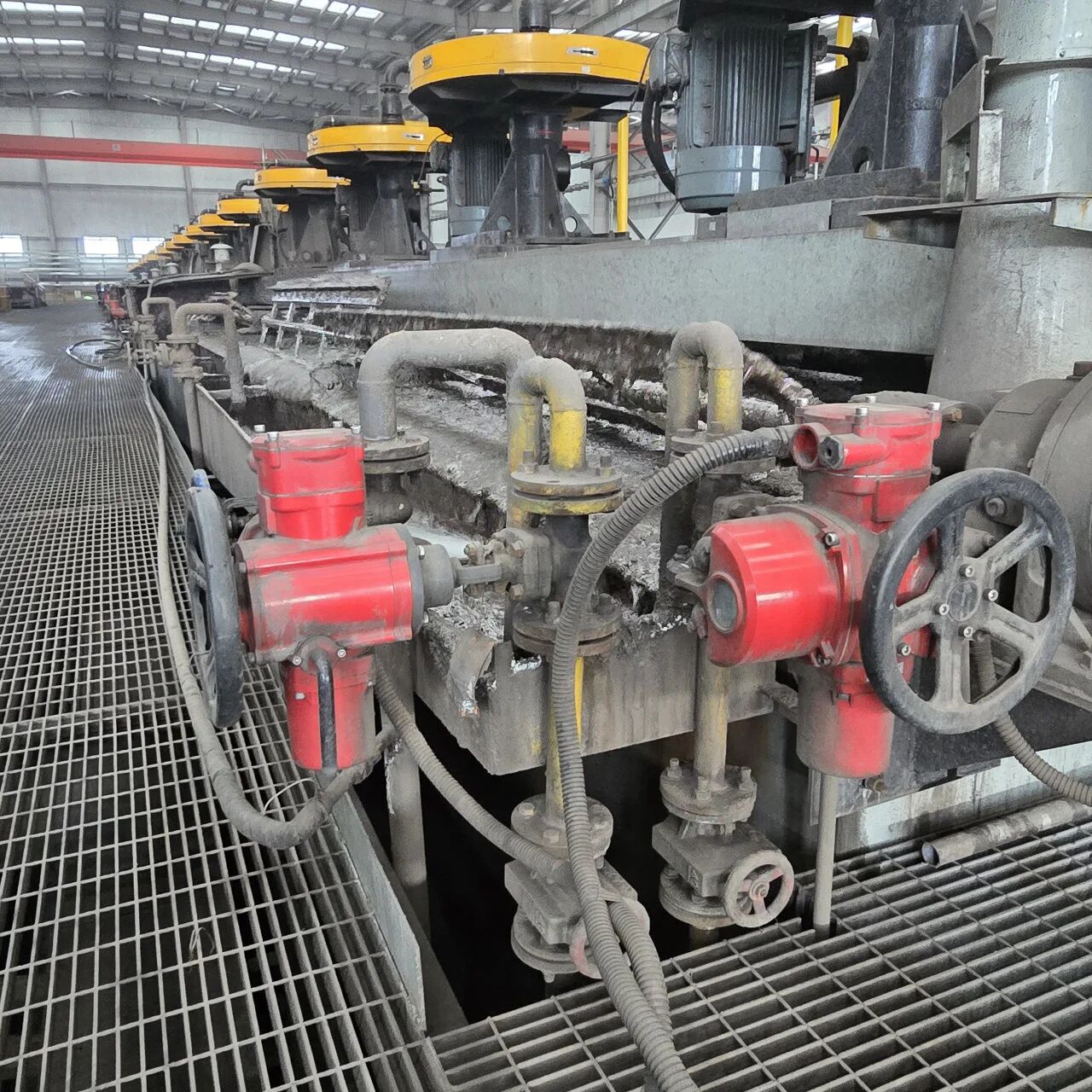 The Hidden Champion for Severe Working Conditions: VATTEN Valves Helps Leading Chinese Mining Enterprises Solve Challenges of High-Wear & High-Concentration Fluid Conveyance
One-stop Automatic Valve Solutions Though small in size, valves act as the critical "throats" in the...
News
Related Posts
CONTACT DETAILS
- Address: Ruko Euro Asia Blok OSB 21B. Boulevard Osaka Street, Salembaran, Kosambi, Tangerang Regency, Banten 15214
- TEL: +62 081181207290 +62 081772888860 +62 087745438666
- E-mail: [email protected]
QUICK LINK
PRODUCT
If You Are Interested
In Our Products,
Please Consult Us
Copyright © Vatten Valve Group All Rights Reserved. Industrial Control Valves Manufacturers Automatic Control Valves Suppliers
